
Everest Chola Pass
Trekking & Adventure
Moderate Adventure
19 Days
Everest Region
Kathamandu
Kathmandu
20 persons
5,420 m
Total Price
Package Highlights
- 1.Ngozumpa Glacier:
Trek along Nepal’s largest glacier, offering surreal ice formations and rugged landscapes.
- 2.Everest Base Camp (5,364m):
Stand at the foot of the world’s highest peak, a dream destination for trekkers.
- 3.Gokyo Lakes & Gokyo Ri (5,357m):
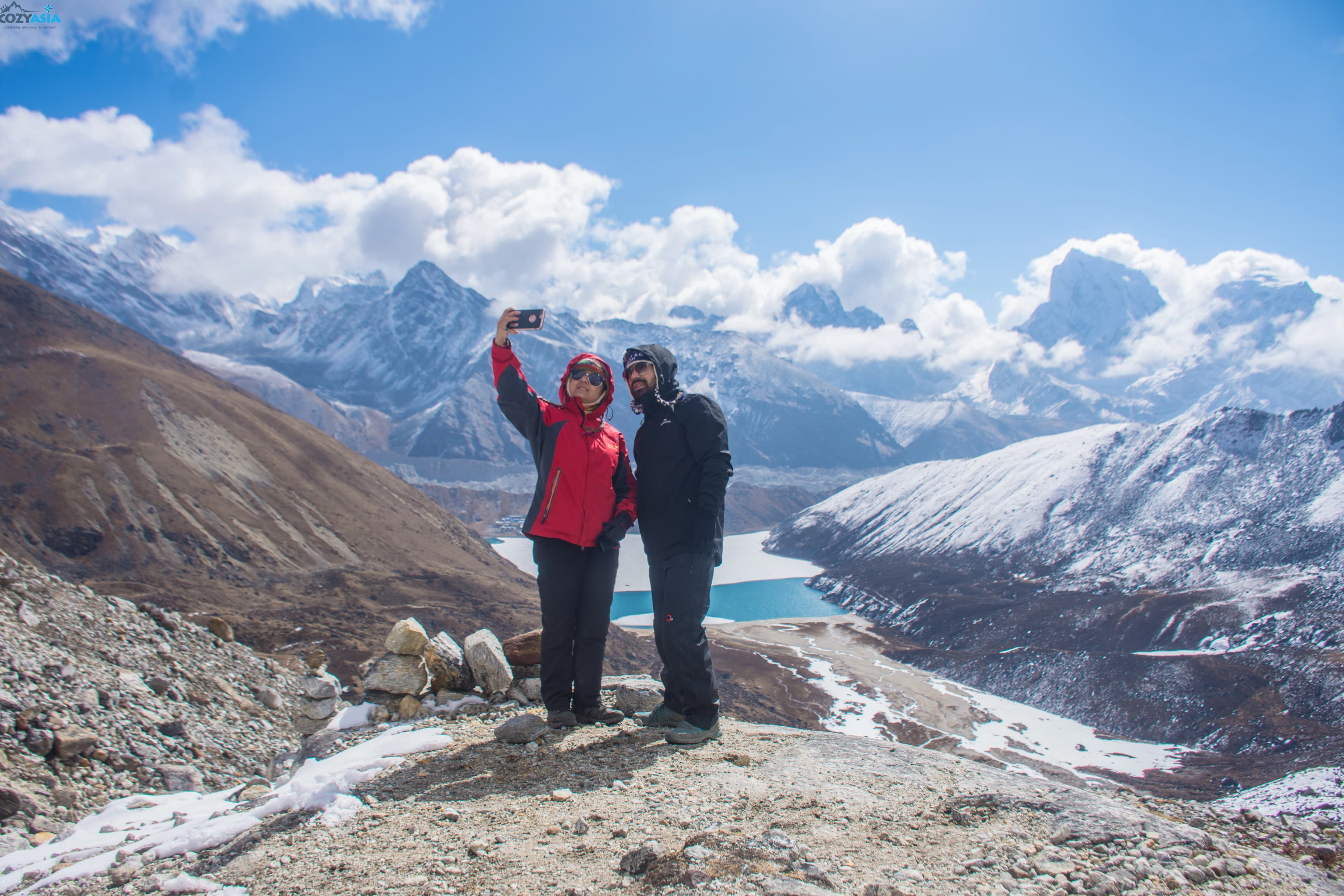
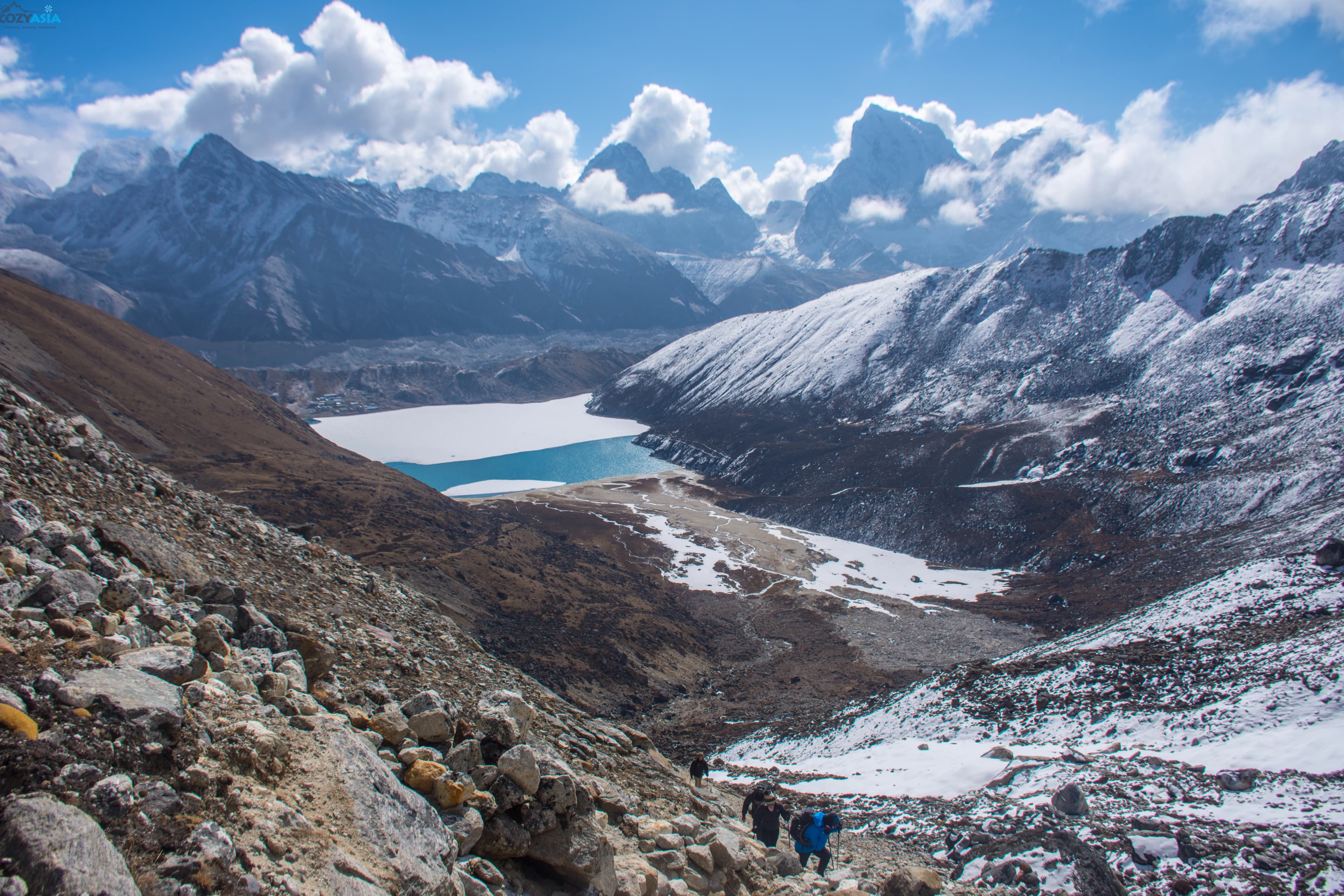
Stunning turquoise glacial lakes and a panoramic viewpoint of Everest, Cho Oyu, and Makalu.
- 4.Cho La Pass (5,420m):
A thrilling high-altitude pass crossing with breathtaking Himalayan views.
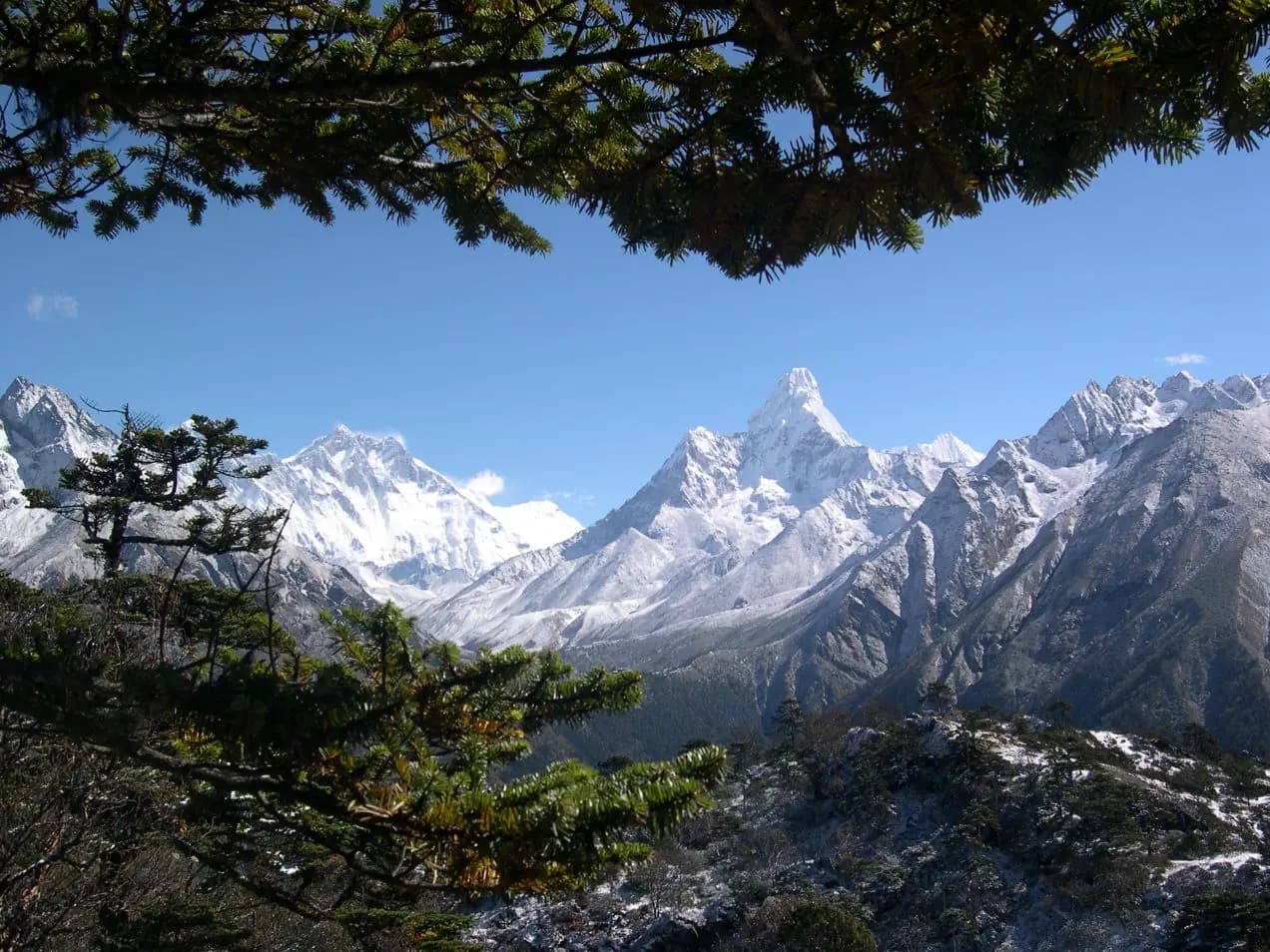
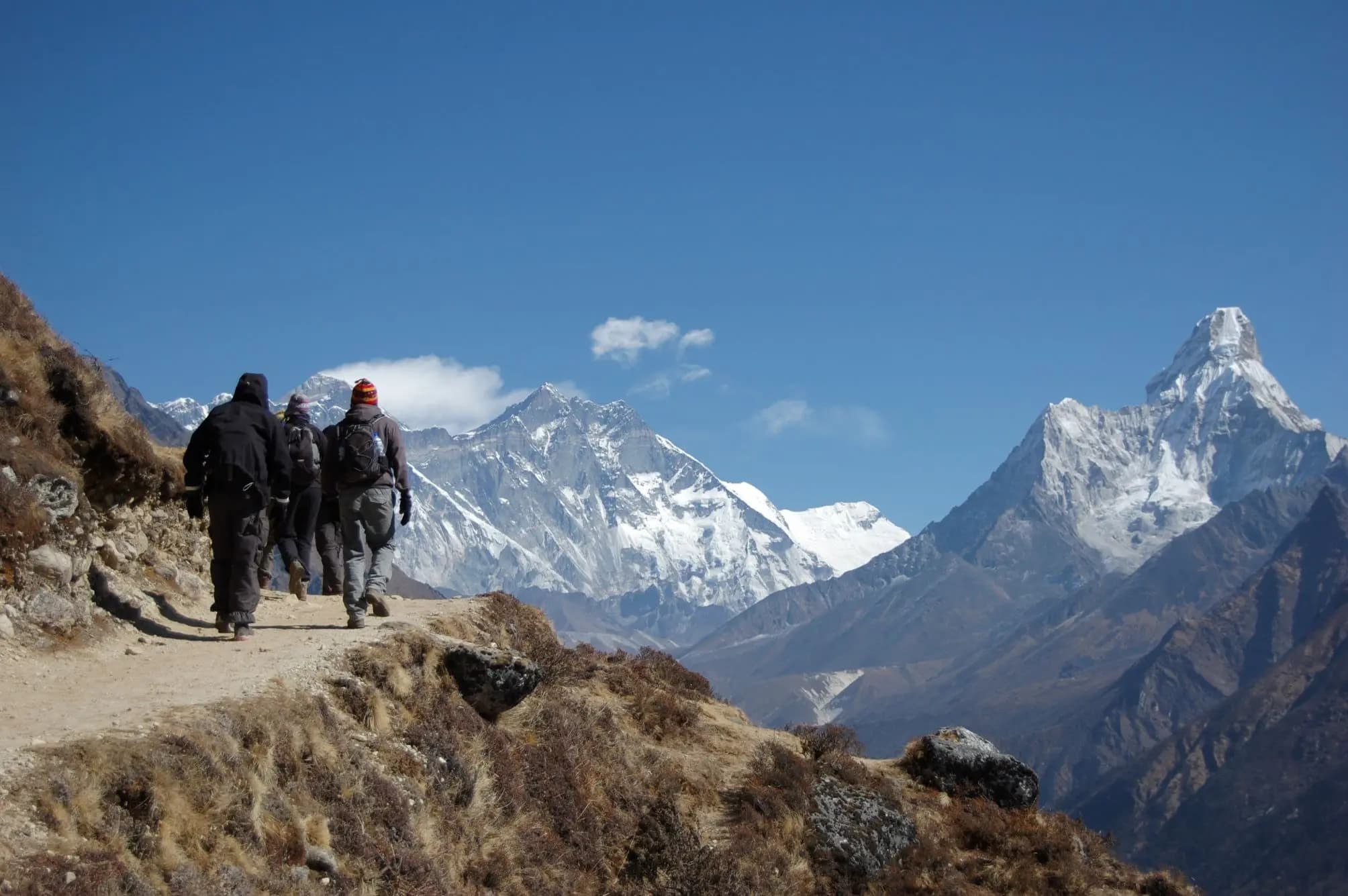
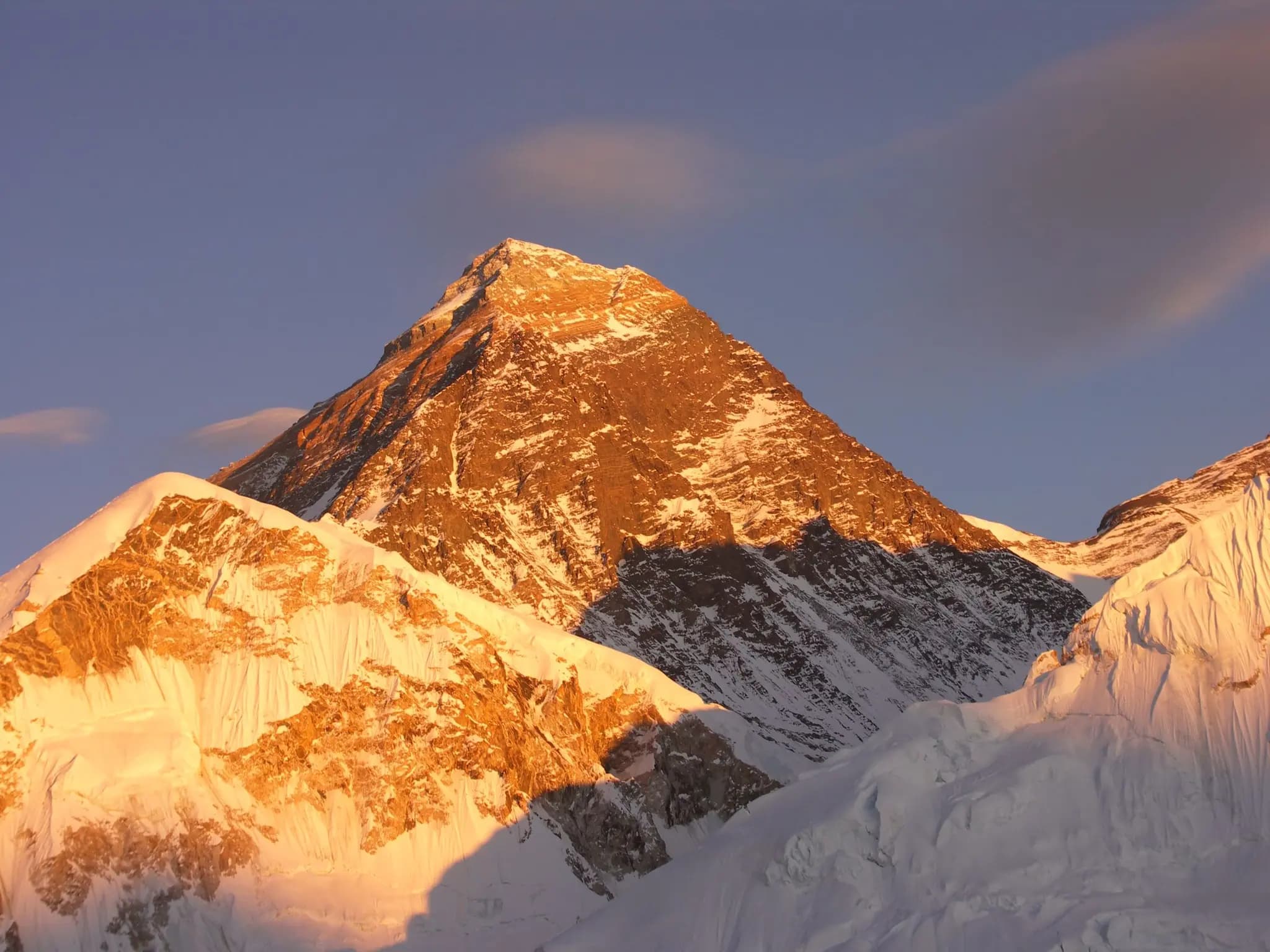
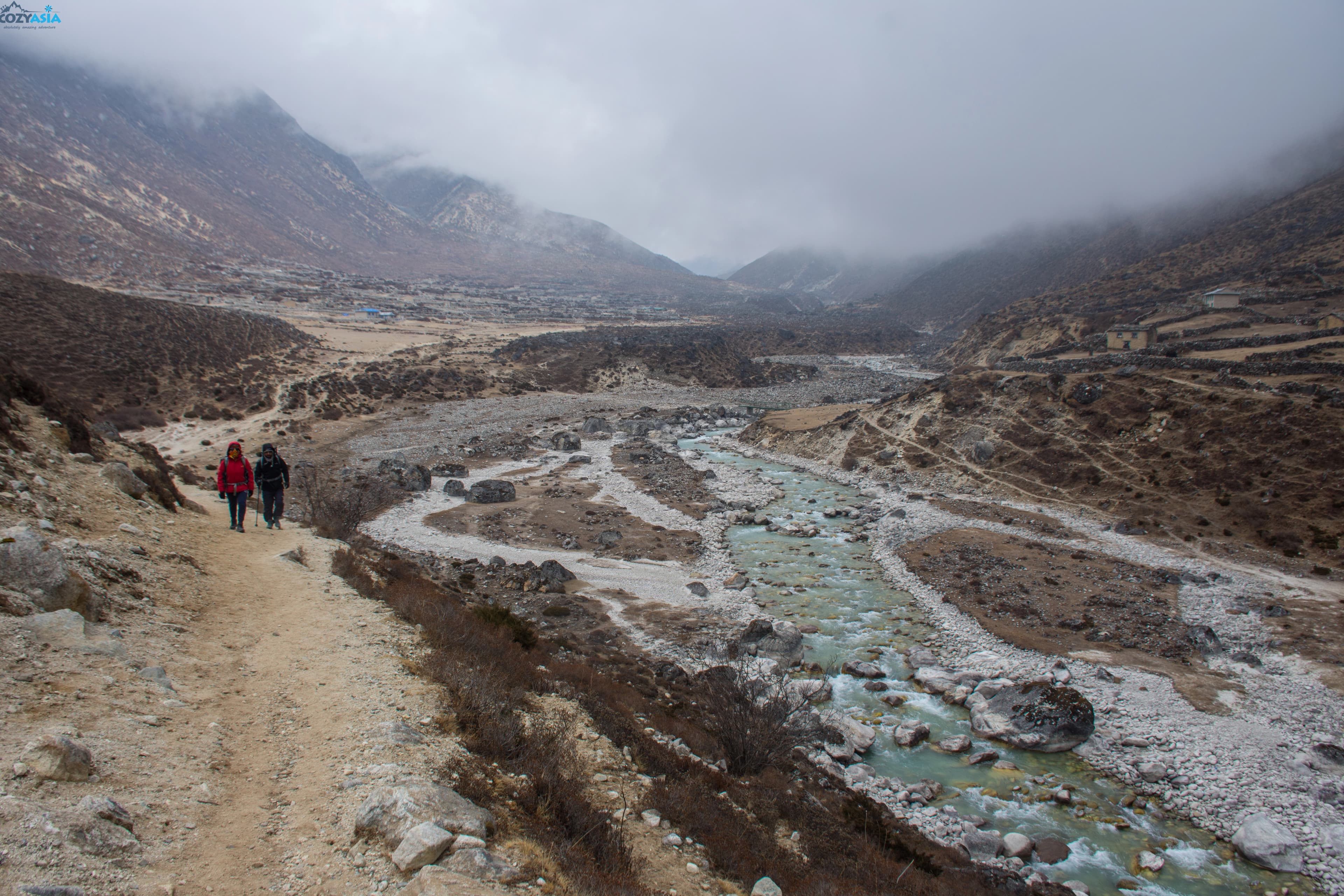
The Everest Chola Pass Trek is a thrilling and challenging adventure in the Everest region, combining the classic Everest Base Camp Trek with the Gokyo Valley and the high-altitude Cho La Pass (5,420m). This trek offers breathtaking views of Everest, Lhotse, Makalu, and Cho Oyu while passing through diverse landscapes, glacial valleys, and remote Sherpa villages. Highlights include the stunning Gokyo Lakes, the Ngozumpa Glacier, and the panoramic viewpoint of Gokyo Ri (5,357m). The trek is ideal for experienced trekkers seeking an adventurous and scenic route in the Himalayas.
Trip Itinerary
Flying into Kathmandu is an unforgettable experience with the Himalaya spread out before you. You will be met at the airport on arrival and transferred to your hotel. Teeming with life, Durbar Square is Kathmandu’s greatest tourist attractions. Here Kathmandu’s kings were crowned, lived and worshipped. Of the 50+ monuments the most famous is the Kumari Bahal, the richly decorated home to the Royal Kumari, Living Goddess and manifestation of the great goddess Durga. The 14th century Jagannath Mandir is the oldest temple in the area and nearby the Telaju Mandir is dedicated to the patron deity of the royal family, a wrathful form of Durga who once demanded human sacrifices. You will walk through Itumbahal, an old Newari settlement set in a large courtyard and famous for its traders in herbal spices and medicines. From here you continue to Indrachowk, one of Kathmandu’s most colorful and ancient local markets and Ason chowk; another market dedicated to spices and local vegetables, and Annapurna temple, which is dedicated to the goddess of Grains. Heading to Thamel, a popular tourist hub, you can familiarize yourself with the local culture and surroundings.
"First stop this morning is Boudhanath; one of the largest Buddhist stupas in the world. Before construction of the 118-foot stupa, the site was visited by every Tibetan merchant passing through Nepal. For centuries they rested here and offered prayers to Lord Buddha. Next visit Pashupatinath, one of the holiest Hindu temples in the world dedicated to Lord Shiva. Originally built in AD400. Inside the temple is the statue of a four-faced six-foot lingam, a phallic object as a symbol of Shiva, resting in the middle of a rimmed, disc-shaped structure, phallic symbol of Shakti – a concept or personification of divine feminine creative power. These are symbols of creation and that blessings of Shiva can be found in all four directions. This monument is a fine display of religious harmony in the country. Another UNESCO World Heritage Site, Bhaktapur is a brilliant illustration of Newari architectural skills, a city of pagoda roofs and harmonious blend of wood, mudbrick and copper – especially notable is the Nyatapola Temple (Palace of 55 Windows). Many locals continue to practice traditional crafts and you will join a pottery class to try your hand at replicating some of these marvels."
From Kathmandu, it takes approx. 5 hour drive via B.P. Highway to reach Ramechhap, that covers a distance of about 143 km. Ramechhap is a beautiful place to witness and not much crowded. It is undisturbed, and you can take your flight to Lukla without any haste
An early morning start – dressed for trekking – with a transfer to the airport for the short flight to Lukla. The flight itself (by small Dornier / Twin Otter) is a fantastic experience as you fly into the mountains and land at one of the world’s most exciting airports – Tenzing Hillary Airport, Lukla. Here our Sherpas will be waiting to meet us and will arrange the baggage so comfortable to carry (15kg per porter). And then … here we go! Today we are going to hike for approximately 3 to 4 hours. The day is just a glimpse of our walking days ahead. To begin we descend gradually to Thado Koshi (2 hours), then start to make the first ascent of the trek, gradually uphill all the way Phakding which will take another 2 hours. We reach Phakding about lunch time.
Continue along the Dudh Koshi River with majestic views all around, crossing back and forth via many suspension bridges, including the Hillary Suspension Bridge. Our trail passes through a pine forest as we continue up the Benkar Valley passing Chumoa and Monjo villages before reaching the entrance of the Everest National Park. Continuing up via Jorsale village, follow the Dudh Koshi and Bhote Koshi rivers to Namche Bazaar, the largest town in the Everest region.
Start our hike with steep uphill walk to the National Park headquarters from where we have the opportunity to enjoy a majestic panorama of Himalayan Peaks including Everest, Lhotse, Amadablam, Thamserku, Kusum, Khangru, Kongde, Phachhermo, Melungtse, Khumbila and Taboche. Along our trail, we have all the opportunity to enjoy the Flora and fauna found in this Himalayan Region. After visiting Syangboche descend back to Namche Bazaar for lunch. The afternoon is free to wander around Namche Bazaar, visit local bakeries and shops and do last minute shopping (if required) to buy or hire any trekking gear you may need for the trek. Please also talk with your trekking leader if you feel discomfort from the altitude or have any concerns.
From Namche the route heads up all the way to Khumjung, a picturesque village with its own gompa at the top end of town. Here you have excellent views of Thamserku, Kantega and Ama Dablam. Soon after leaving Khumjung the trail climbs to a large chorten atop a ridge which descends from Khumbila, a 5734m peak, which is said to be the abode of the patron God of the Khumbu region. A steep descent to pass through Phortse Tenga is followed by a steep climb to Dole through rhododendron and birch forest festooned with hanging moss and lichen.
From Dole climb steadily along the side of the valley as small thorny bushes give way to scrub juniper with the increase in altitude. Hike past many summer settlements used when yaks are taken to these high pastures to graze in the summer months. Ahead of you are excellent views of Cho Oyu, whilst back down the valley you can see the peaks of Kantega and Thamserku.
Following the valley high above the river, we commence the ascent to Gokyo village. There are excellent views of Cholatse at the village of Pangka and we stop to enjoy them. We are now in high alpine country and as we approach the Ngozumpa Glacier we trek onto the moraine and rock that extends down from it. Enjoy excellent views of Kantega to the south and Cho Oyu to the north. Each mountain has its individual character and presence and you can understand why the Nepalese give them such religious significance.
Setting out early, hike up to the Gokyo Ri (Gokyo Peak). Climbing to Gokyo Ri is obviously strenuous as it is steep, and it takes about 3 to 4 hours to reach the top. Here you have a vast, panoramic view of the surrounding mountains. The effort has been well worth it to arrive as the first rays of sun touch Everest which, from here, clearly towers over its neighbours. Return to Gokyo for a much-needed breakfast before heading to Thagnak for the night, passing by the second lake and the Ngozumpa Glacier.
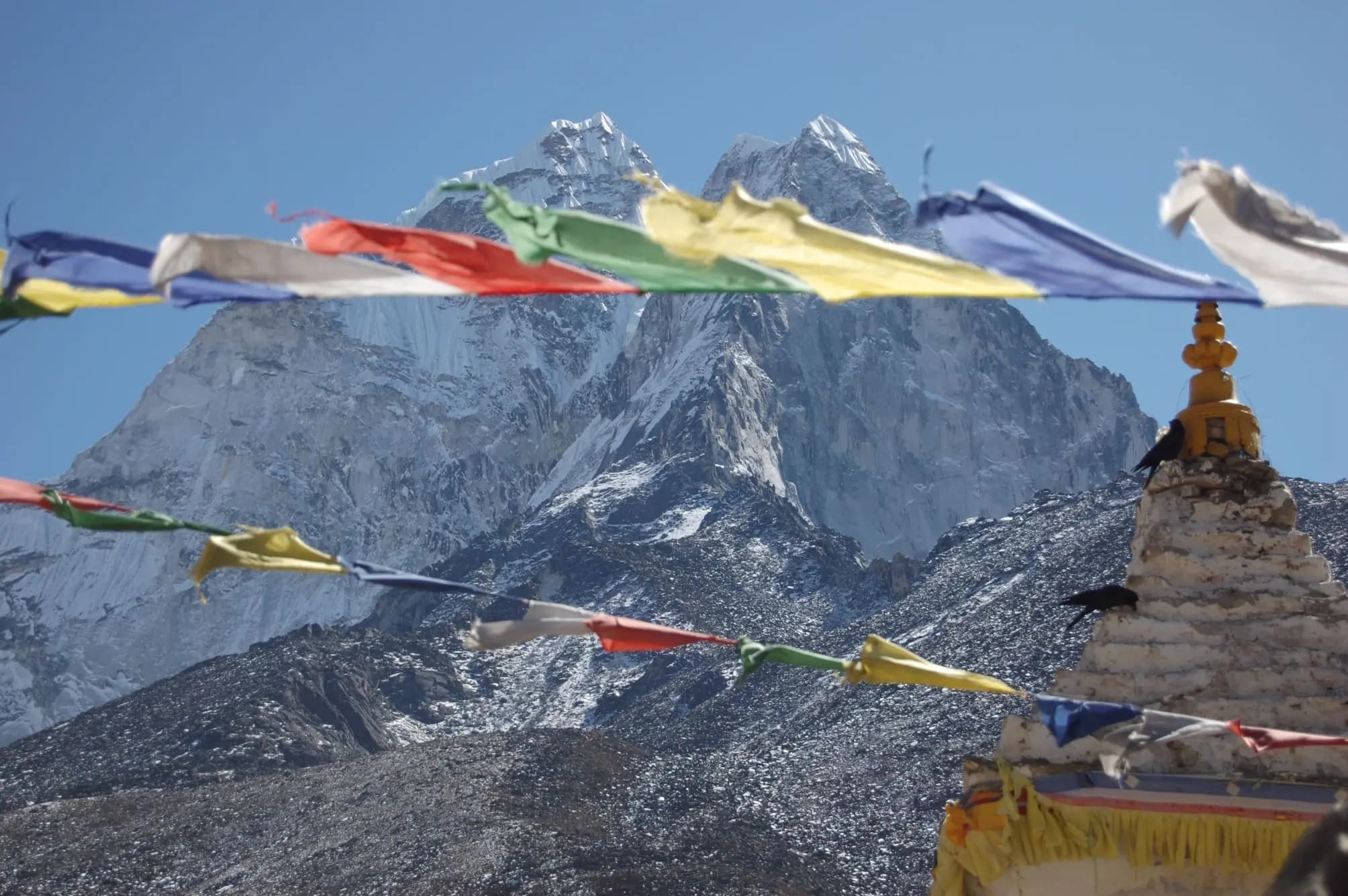
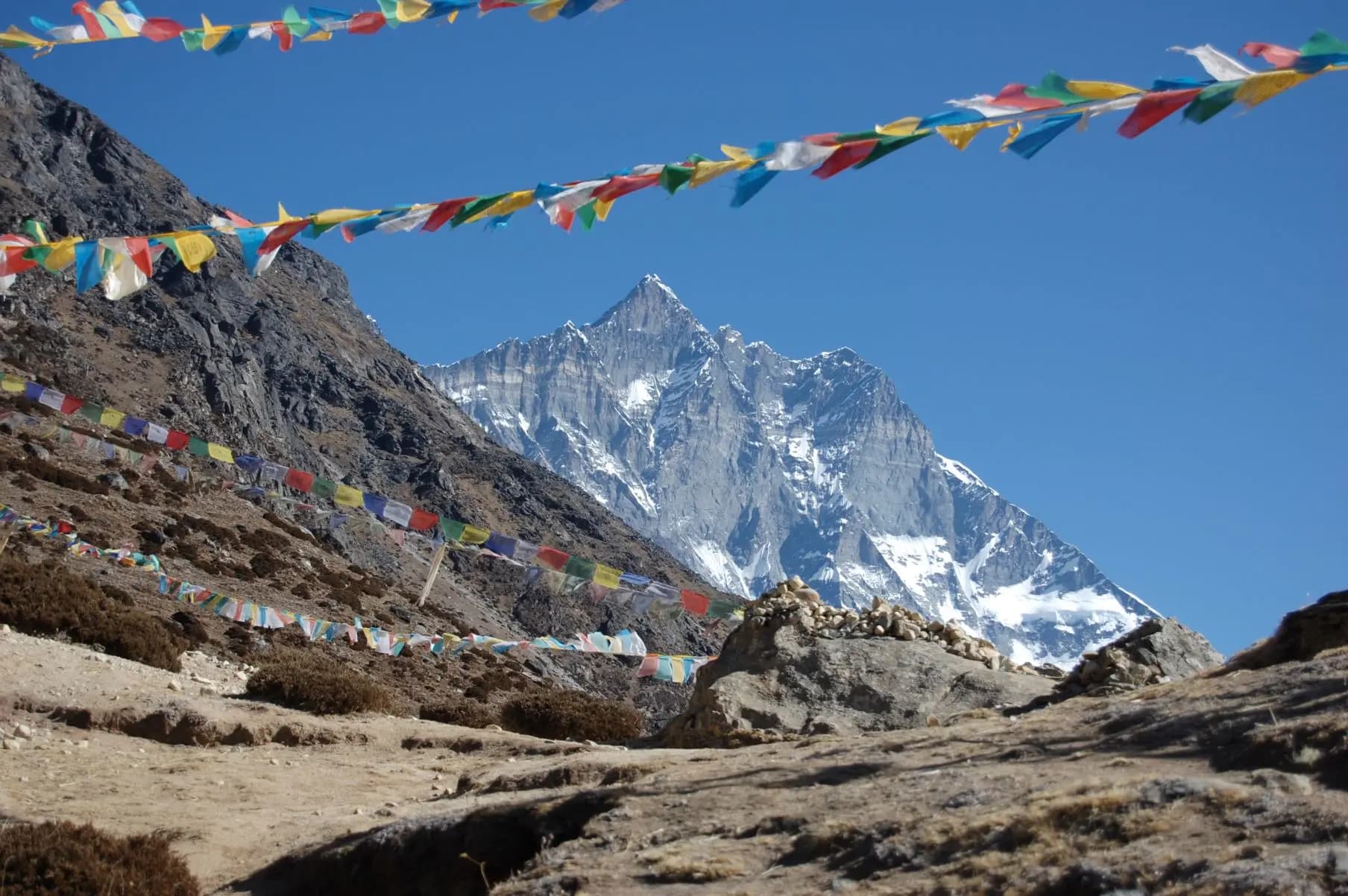
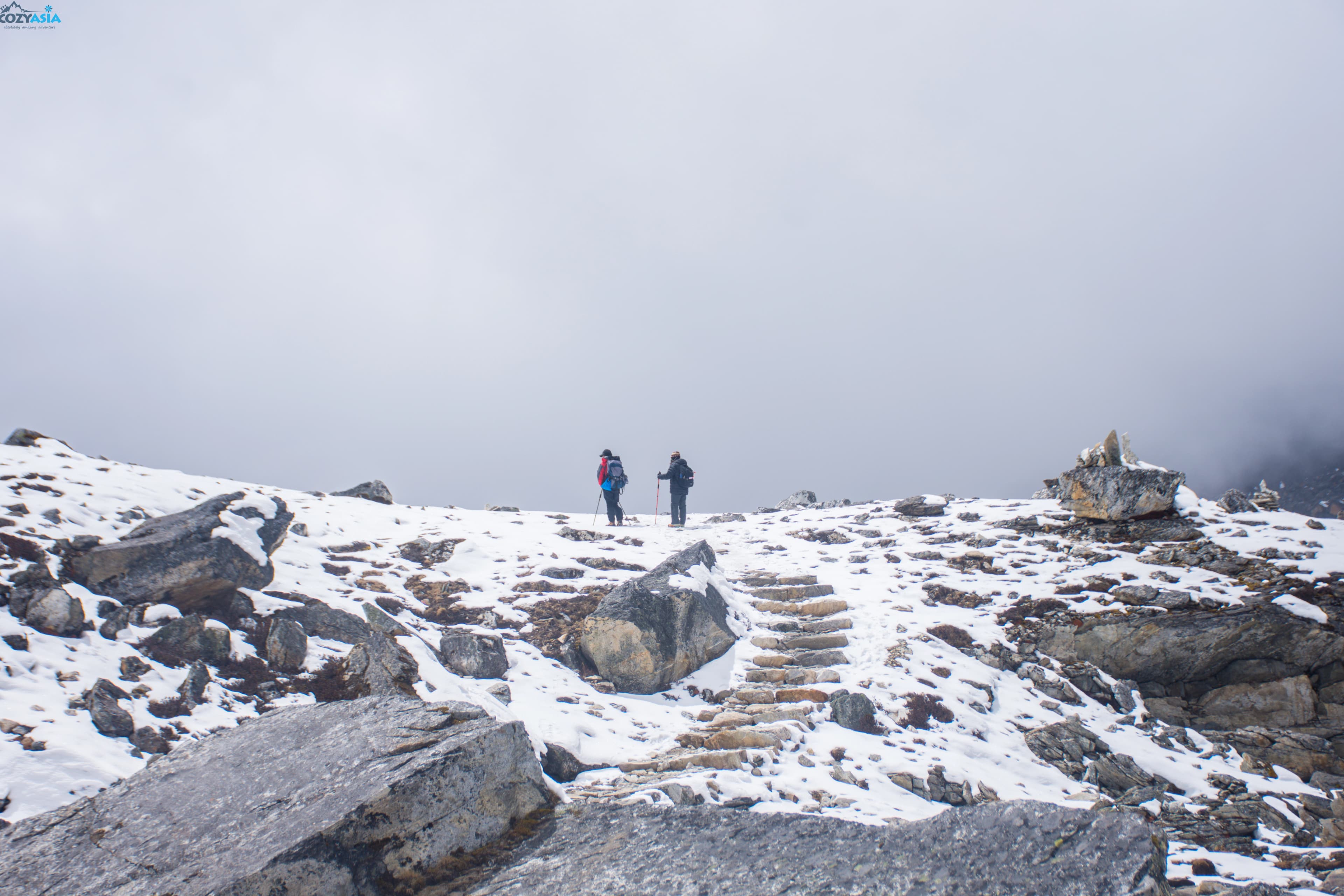
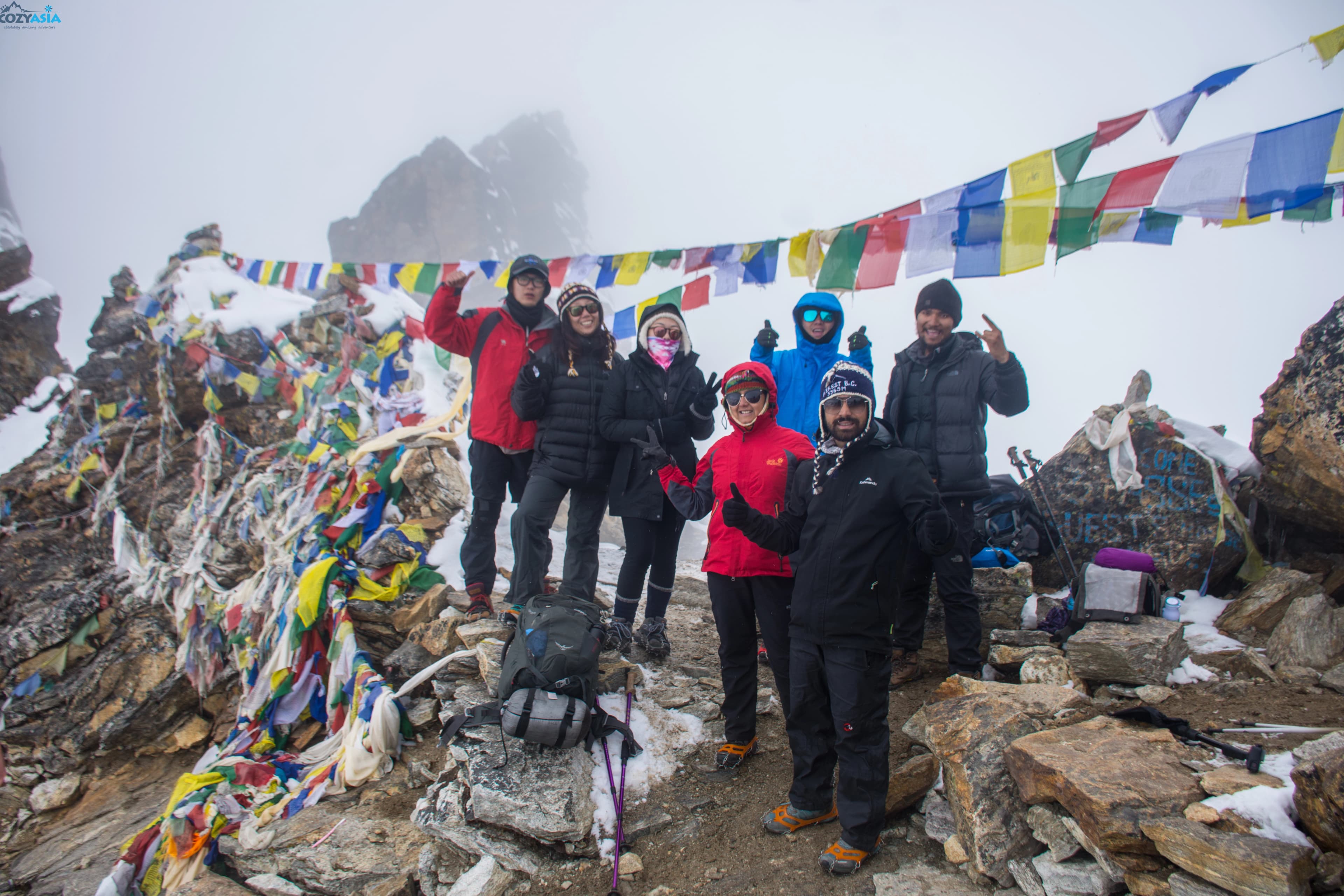
Today will be one of the most challenging and longest walks of the trek. The Cho La Pass itself is not difficult, but it is steep and includes a glacier crossing on the east side. We must be careful because the path is vertical, and smooth ice rocks can make the trail slippery. The route from Phedi leads through a gorge along a rocky path. Skirting a frozen lake we reach the top of the pass, which is decorated with prayer flags. The pyramid shaped Ama Dablam presides over a series of mountains including Cholatse in the west and Lobuche in the east. Eventually we reach Dzongla, a village which affords great views of Cholatse, Lobuche and Ama Dablam, as well as Pheriche Village in the distance.
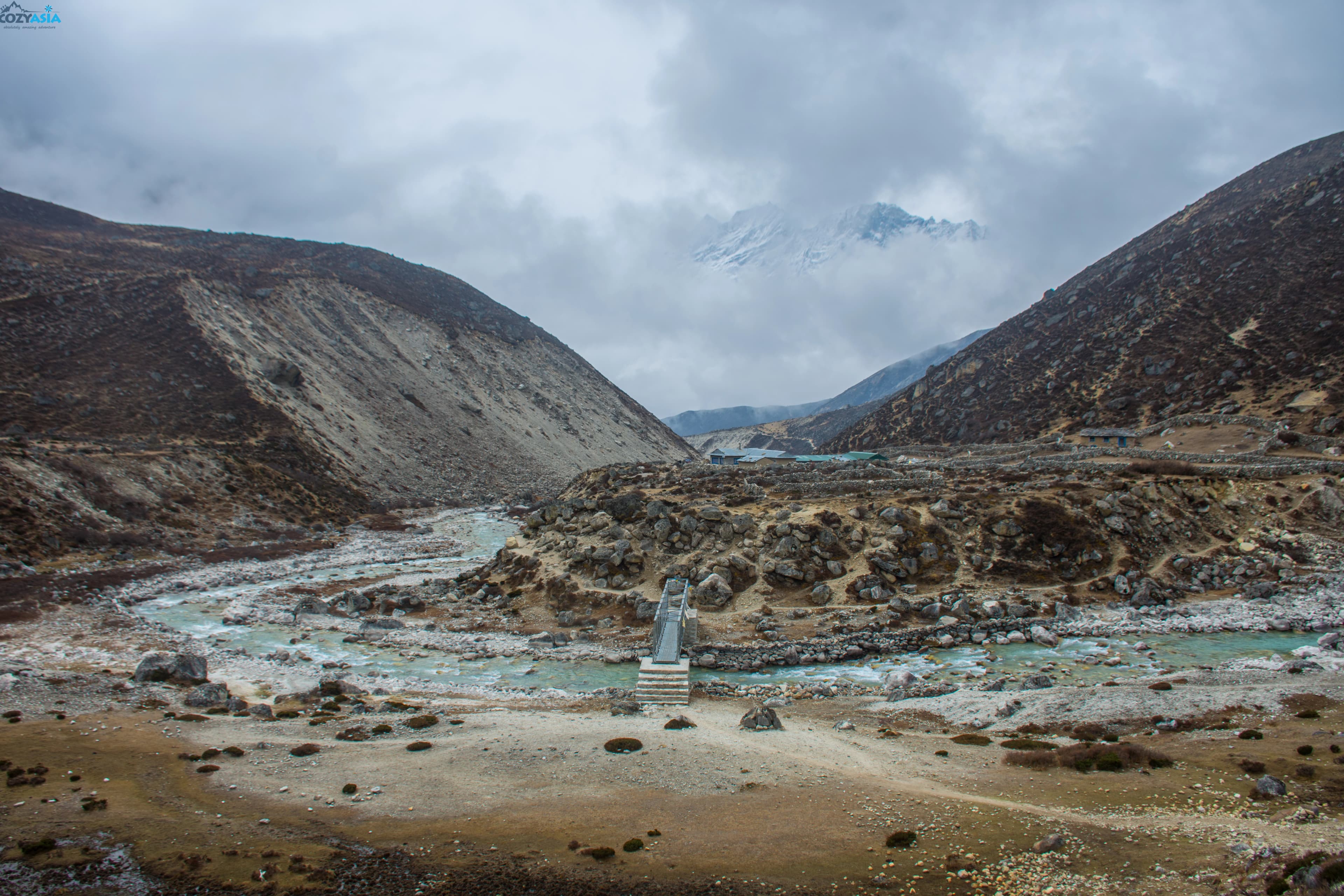
Today’s walk is much shorter with plenty of time to observe and relax along the way. Climb down from Dzongla and cross a bridge and before following a grassy trail and enjoying the view of Lobuche Peak. Following the wide gravelly riverbed, we arrive at Lobuche.
This is the big one, the day of Everest Base Camp! From Lobuche, follow the broad valley running parallel to Khumbu Glacier, its gradual ascent enabling you to build the slow, steady rhythm required when walking at high altitude. When you reach the moraines of Changri Nup Glacier a series of small ascents and descents on a rocky trail lined with cairns eventually leads to the surprising glacial sands of Gorakshep (5160m). Now’s the time to grab a quick bite, gear up appropriately, and head off towards Everest Base Camp. The trek to the base camp can be achieved in around three hours, and if trekking in the popular climbing period of March to May, you will almost certainly encounter yaks and porters supplying food and equipment to expeditions here. From Everest Base Camp you will not get views of Mount Everest, but you are able to see glorious glaciers, lakes, caves, and the notorious Everest Ice Fall that flows from the Western Cwm. It is regarded as technically the hardest and most dangerous section of the mountain. The return journey from the Base Camp to Gorakshep takes the same amount of time.
Activities
Trek from Lobuche to Everest Base Camp and return to Gorakshep
Trek from Lobuche to Everest Base Camp and return to Gorakshep
Start the day trekking through rhododendron and pine forests; passing Benkar and Phakding before reaching Chaunrikhara. Leaving the main trail at Chaunrikhara make the short climb to the small airstrip of Lukla. The trail follows the river the whole way with frequent bridge crossings.
Start the day trekking through rhododendron and pine forests; passing Benkar and Phakding before reaching Chaunrikhara. Leaving the main trail at Chaunrikhara make the short climb to the small airstrip of Lukla. The trail follows the river the whole way with frequent bridge crossings.
Descend steeply down along the Dudh Koshi River, crossing it before continuing along the opposite bank to Jorsale. A few more river crossings and you will arrive at Monjo where you’ll stay overnight
It is short 20 minutes flight from Lukla to Ramechhap. Upon arrival at the airport you will be driven back to Kathmandu
Patan Durbar Square is surrounded by a fascinating array of temples, built in various architectural manners, varies from the era of its establishment. Patan Durbar Square is a home of numerous temples like Krishna Mandir, Bhimsen Mandir, Taleju Bell and much more, which displays Gods and Humans, in Nepal, have always lived with next to each other since long-long time ago. All the temples of the Patan Durbar Square are decorated with the samples of the masterpiece of Nepalese handicrafts; according to the Newari architecture. The city is built on Newari cultural perspectives, thus, the city envelopes the pride of Newari cultural history. A classic Newari village, Bungamati has rows of brick houses lining streets paved with flagstones. The village is the winter residence of the Rain God as well as being justifiably famous for the significant number of skilled woodcarvers among its inhabitants. Nearby is another ancient Newari village, Khokana ,which has earned quite a reputation for its mustard oil made in the traditional ways of oil pressing. If you come across somebody with a weathered face carrying two tin drums hanging at the two ends of a pole across his shoulders in the old marketplaces of Kathmandu, it is likely that he is from Khokana and in town to sell mustard oil. A half day exploring these 2 villages will be one of the most genuine experiences of traditional life in the Kathmandu Valley you will find.
As per airlines regulation, travelers needs to check in to their respective airlines counter at around 3 hours before the scheduled flight time.Your booked airport transfer will be at your hotel, ready to take you to the airport. Depending upon the traffic on the road, the drive from your hotel to airport may take around 30 minutes or more. At the airport, security will check for your flight ticket - either hard copy or on your mobile along with your passport before you are allowed to enter the departure hall.
Trip Particulars
Included
Porter for 2 trekkers/ maximum 15 kgs luggage per porter
Trekkers Information Management System (TIMS)
Sightseeing tour with Entrance and Monumental fees
English Sightseeing and Trekking Guide
Accommodation in basic tea house on room only basis – Sharing Room
Accommodation in Mentioned Hotel in Kathmandu on Bed and Breakfast Basis – Twin Sharing
Private transport as per group size to and from the trekking region
Excluded
Expenses arising from unforeseen circumstances beyond the control of Travel Nepal
Any item not specified as included
Tips and gratuities
Expenses of personal nature such as bar bills, mineral water, laundries, telephone calls, internet facility, Electronic Device Charge, Hot Water shower
Travel and medical insurance including evacuation and cancellation (including helicopter evacuation)
All meals while on trek
Good to know
The Everest Chola Pass Trek is a thrilling and challenging adventure in the Everest region, combining the classic Everest Base Camp Trek with the Gokyo Valley and the high-altitude Cho La Pass (5,420m). This trek offers breathtaking views of Everest, Lhotse, Makalu, and Cho Oyu while passing through diverse landscapes, glacial valleys, and remote Sherpa villages. Highlights include the stunning Gokyo Lakes, the Ngozumpa Glacier, and the panoramic viewpoint of Gokyo Ri (5,357m). The trek is ideal for experienced trekkers seeking an adventurous and scenic route in the Himalayas.
Booking Terms & Policies
Cancellation Policy
Cancellation policies vary depending on the service provider.
It is advisable to review the terms and conditions before booking.
Refunds and charges may apply based on the cancellation timeframe.
Settlement & Payment
Payments can be made through various methods, including bank transfers, credit/debit cards, and online payment gateways.
Advance payment may be required to confirm bookings.
Standard Terms & Conditions
Comprehensive travel insurance covering medical emergencies, trip cancellations, lost baggage, and unforeseen events is highly recommended for a hassle-free journey.
Travelers should check entry regulations and obtain the necessary visa in advance.
Related Packages
Annapurna Base Camp
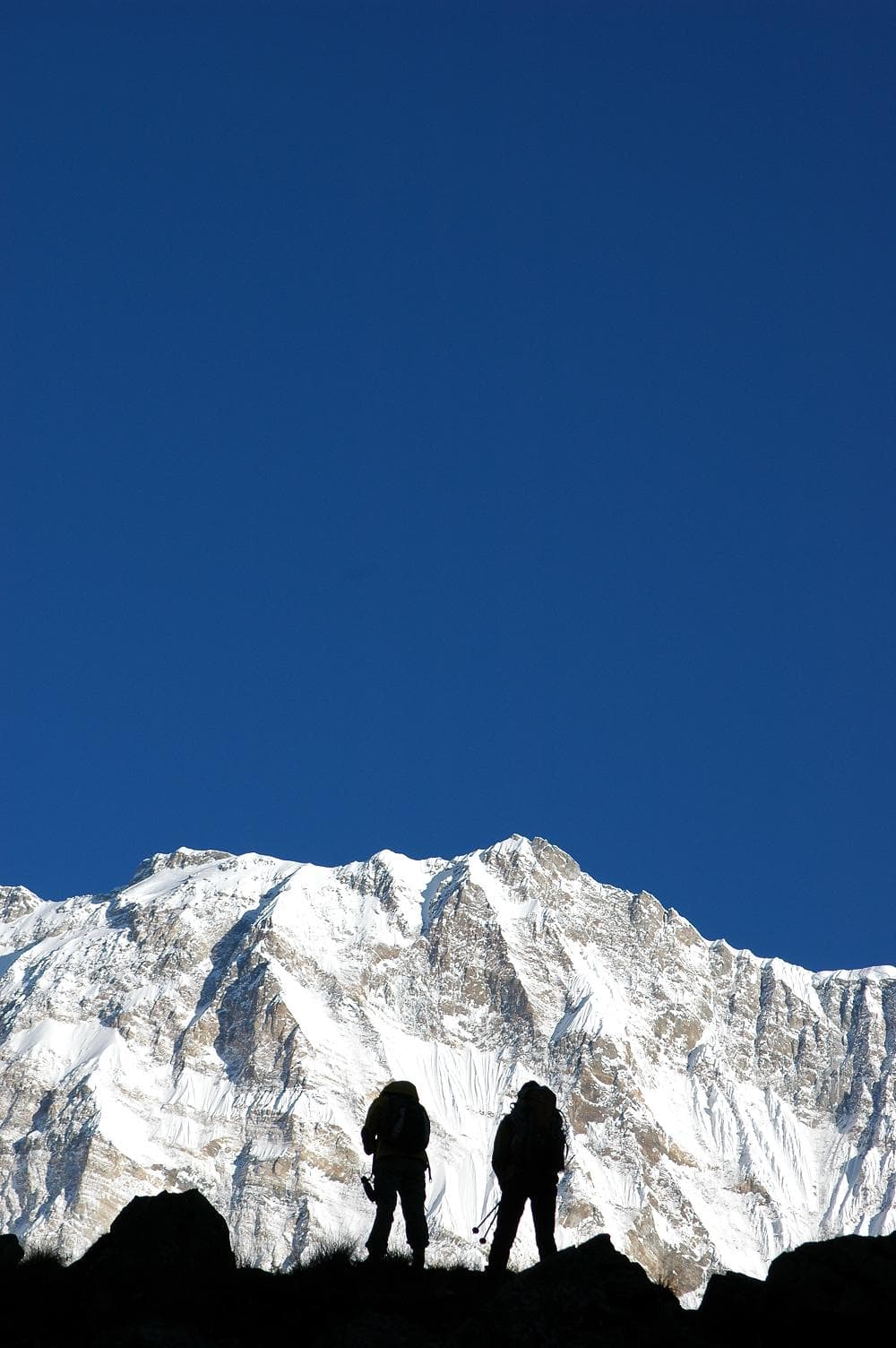
Base Camp (ABC) is a renowned trekking destination in Nepal, situated at an altitude of 4,130 meters within the Annapurna Conservation Area. Surrounded by towering peaks, including Annapurna I (8,091m), the trek offers breathtaking views of the Himalayas, diverse landscapes, and rich biodiversity. The journey passes through picturesque villages, terraced fields, rhododendron forests, and natural hot springs, providing an immersive cultural and natural experience. Known for its moderate difficulty level, the ABC trek is ideal for adventure enthusiasts seeking a rewarding Himalayan experience.
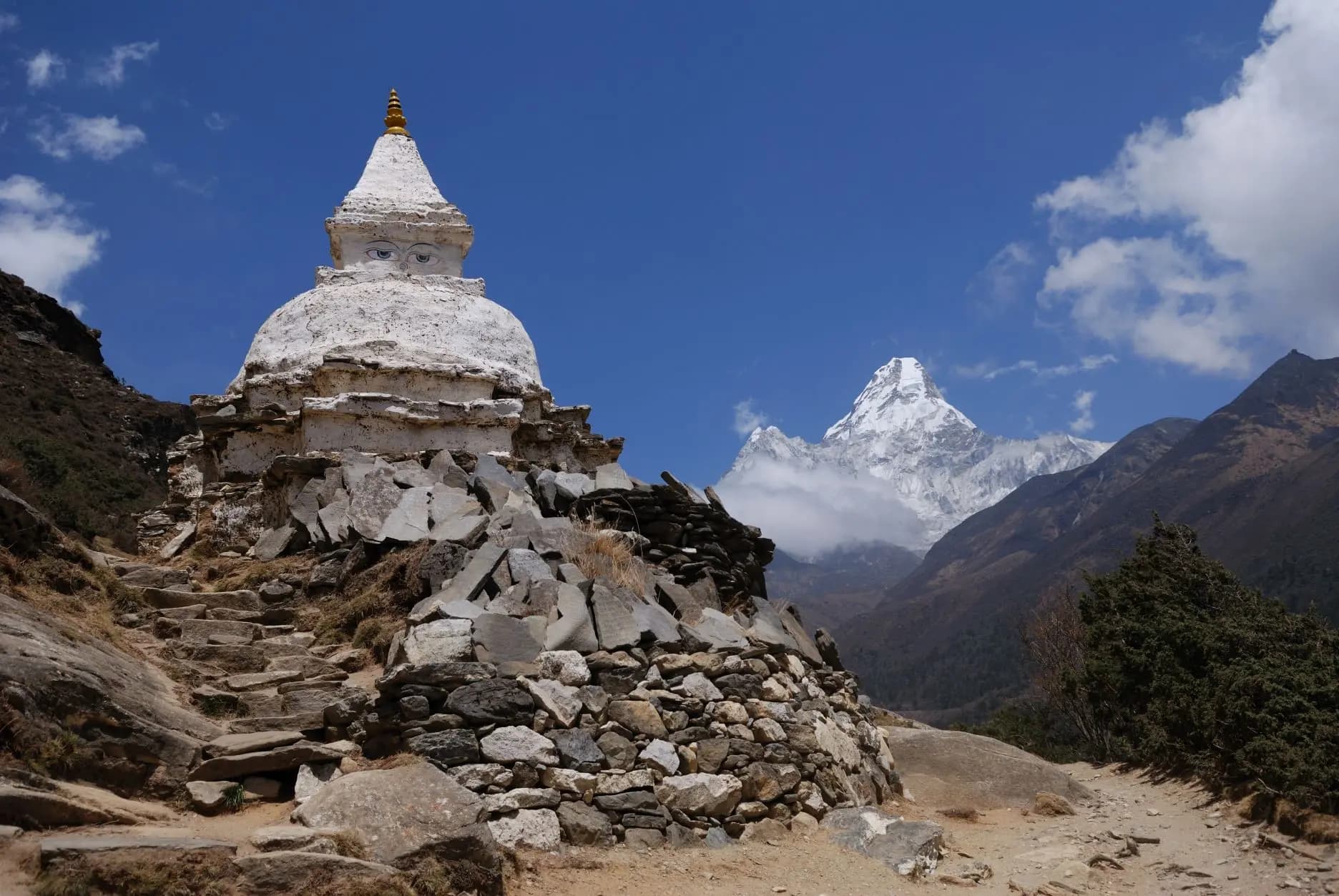
Everest Base Camp
The Everest Base Camp (EBC) Trek is one of the most iconic trekking adventures in the world, leading to the base of Mount Everest (8,848m). This challenging yet rewarding journey takes trekkers through the heart of the Khumbu region, offering breathtaking views of Everest, Lhotse, Nuptse, and Ama Dablam. The trek passes through Sherpa villages, monasteries, and diverse landscapes, providing a rich cultural and natural experience. Highlights include the vibrant town of Namche Bazaar, the historic Tengboche Monastery, and the Kala Patthar viewpoint (5,545m) for panoramic sunrise views over Everest.
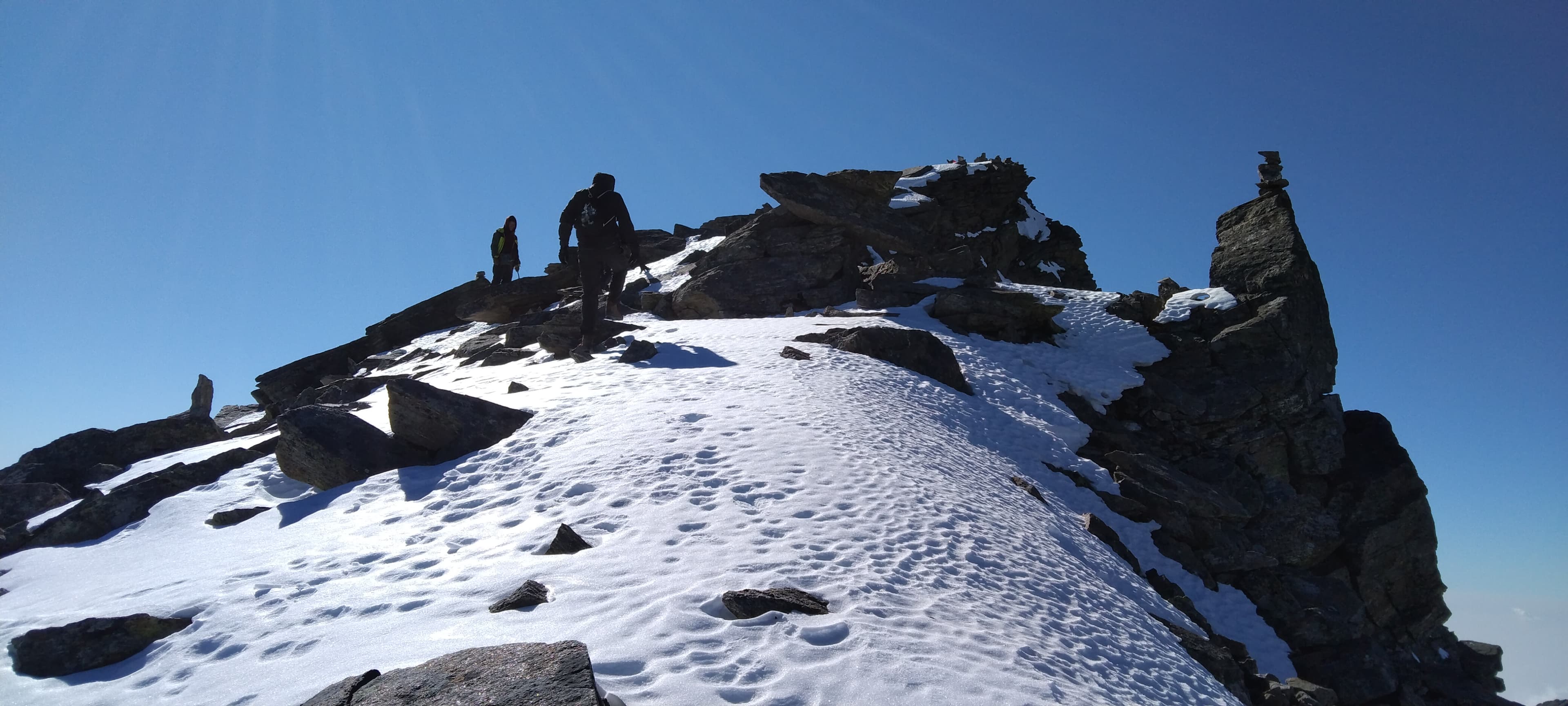
Langtang Surya Peak Trek
The Langtang Surya Peak Trek is a thrilling journey in the Langtang region, combining stunning Himalayan landscapes with rich cultural experiences. This trek leads to Surya Peak (5,145m), a breathtaking vantage point offering panoramic views of Langtang Lirung, Ganesh Himal, Dorje Lakpa, and even parts of Tibet. The trail passes through Langtang National Park, home to diverse flora and fauna, traditional Tamang villages, and ancient monasteries. Ideal for adventure seekers, this trek provides a perfect blend of natural beauty, cultural immersion, and high-altitude trekking challenges.