
Nature & Culture
Trekking & Adventure
Moderate Adventure
11 Days
Kathmandu, Pokhara, Bandipur
Kathmandu
Kathmandu
30 persons
1,600–1,700
Total Price
Package Highlights
- 1.Rich Cultural Heritage:
Explore ancient temples, traditional villages, and vibrant local traditions.
- 2.Scenic Natural Beauty:
Experience breathtaking landscapes, from the Himalayas to lush forests and tranquil rivers.
The Nature & Culture Tour offers a perfect blend of Nepal’s stunning natural beauty and rich cultural heritage. Travelers explore diverse landscapes, from serene hills and lush jungles to breathtaking Himalayan vistas, while immersing in centuries-old traditions, ancient temples, and vibrant local communities. This journey provides a deep connection with Nepal’s spiritual, historical, and ecological wonders.
Trip Itinerary
"Namaste & Welcome to Kathmandu!!! Depending on your travel history, your first impression of arriving at Tribhuvan International Airport may be an experience in and of itself. The time it takes will depend on whether you need to queue for a Visa-on-Arrival as well as immigration and customs. Luggage tags will be checked on exit so have your luggage receipt handy (usually attached to your boarding pass). Luggage trolleys are available and free to use. As you walk down the tunnel to the arrival lounge you will find many people showing placards and waving anxiously. Please walk slowly checking the placards and do not get anxious – our airport representative will be waiting to welcome you with your name written clearly on the placard. They will assist you to your correct vehicle. Depending upon the traffic the drive to your booked hotel can take 30 minutes or more."
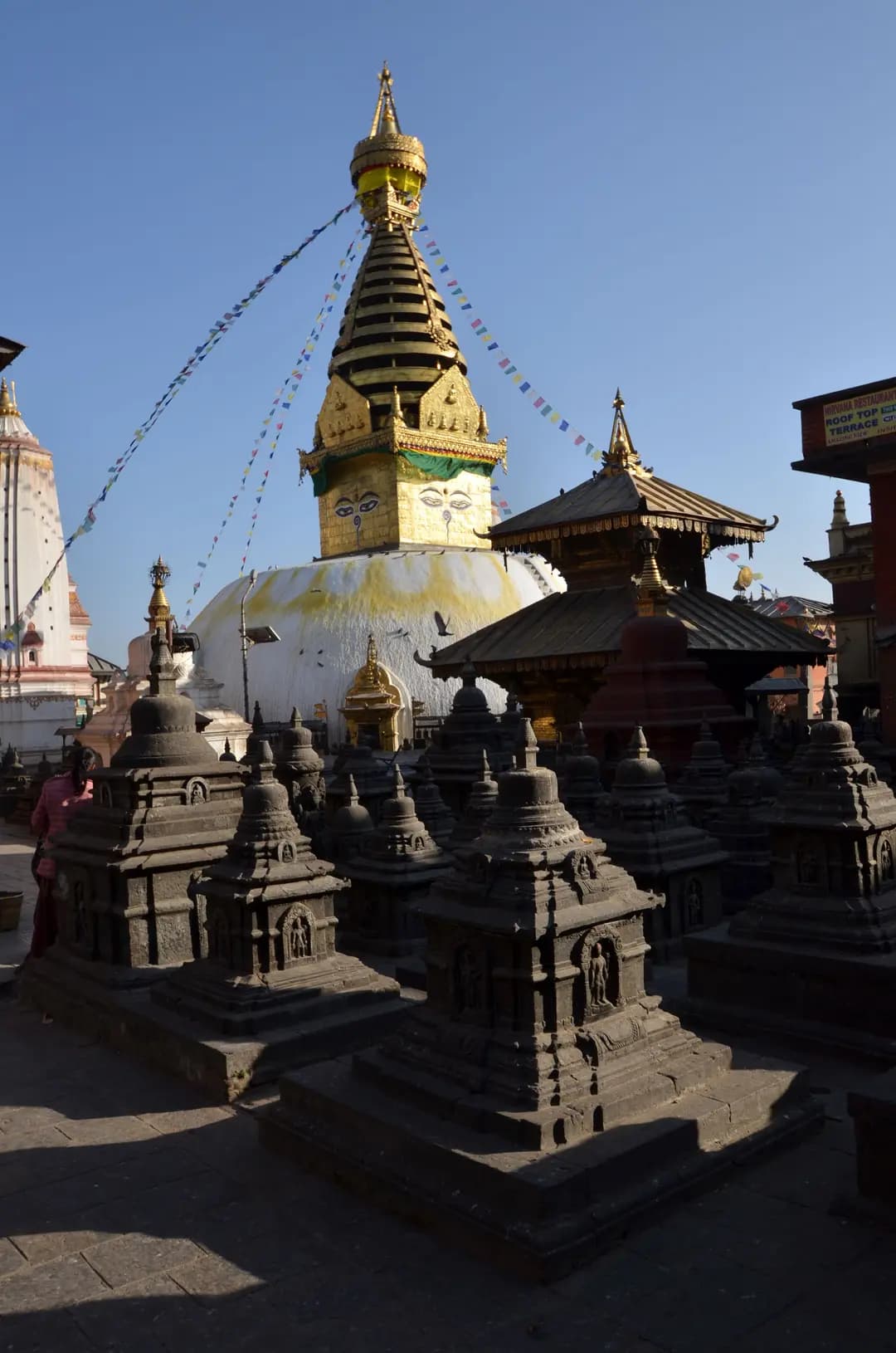
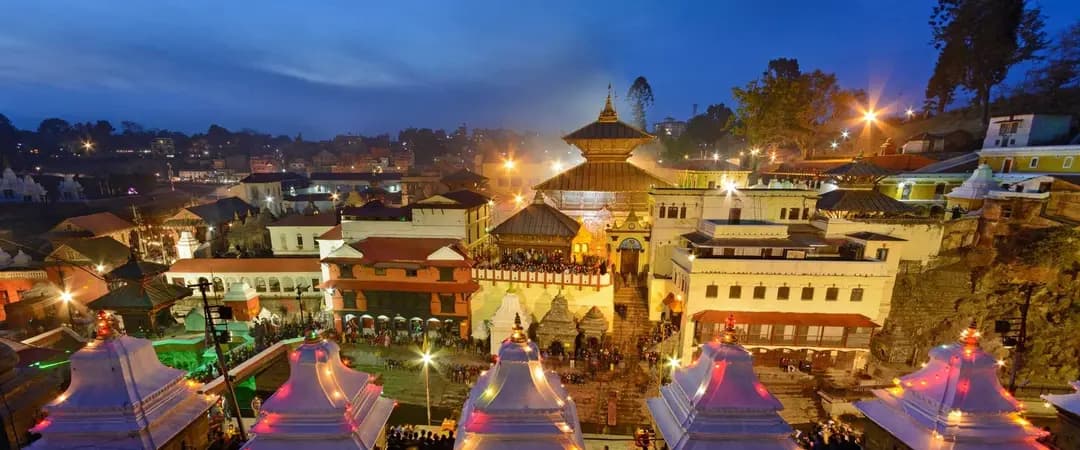
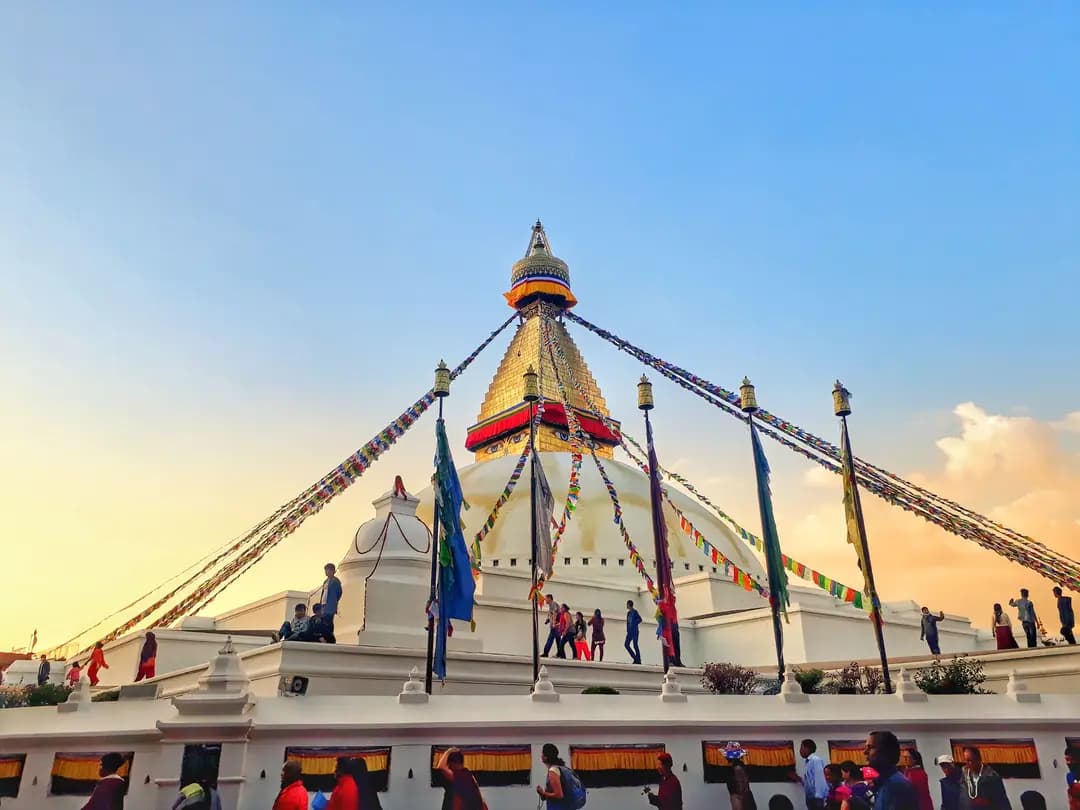
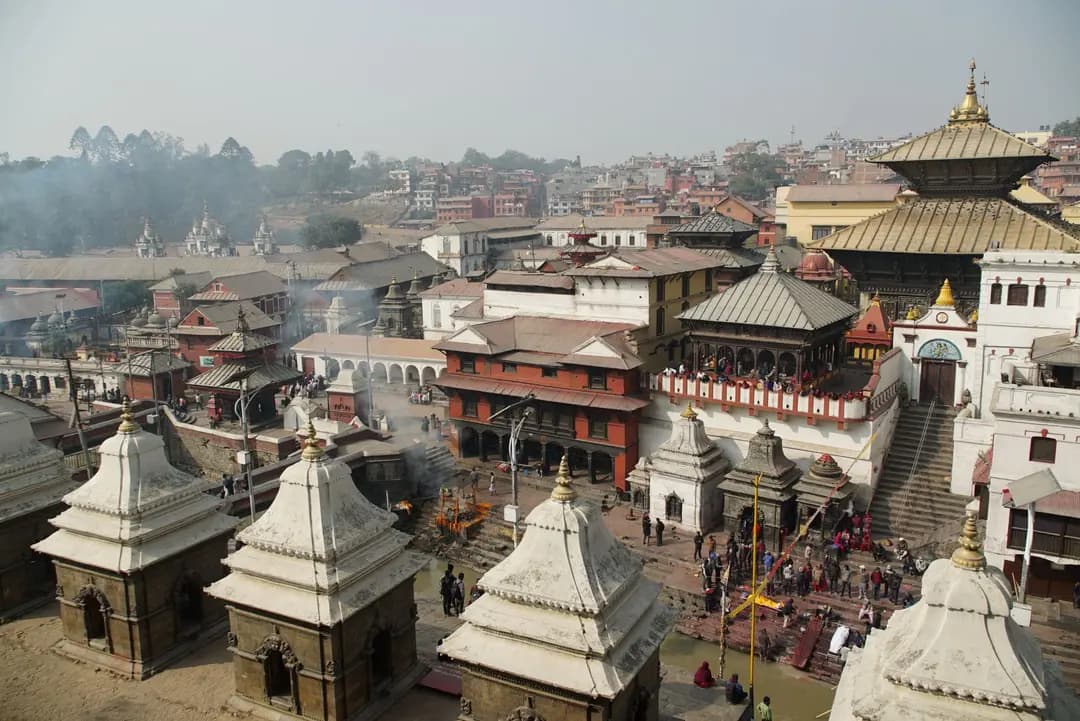
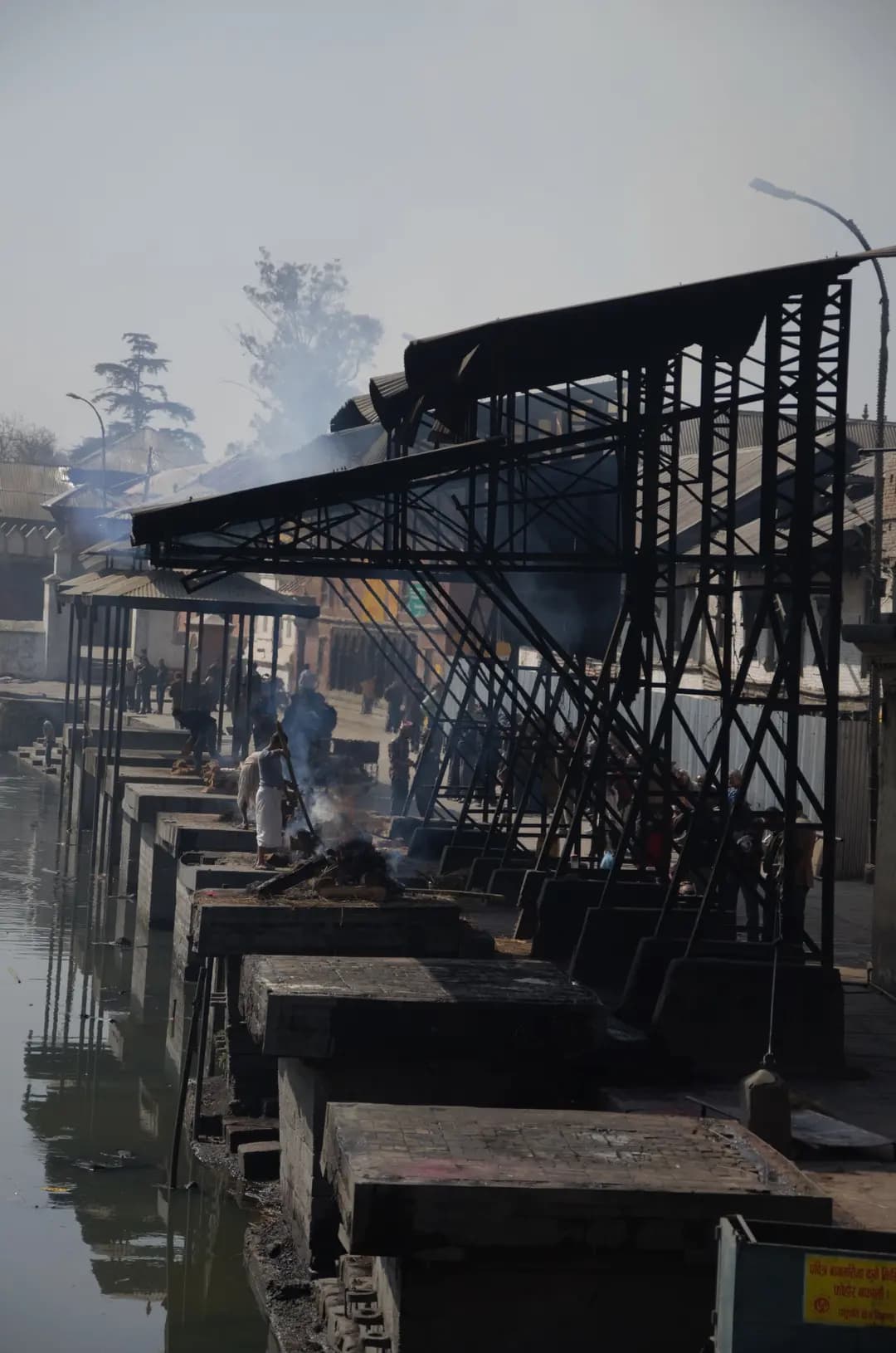
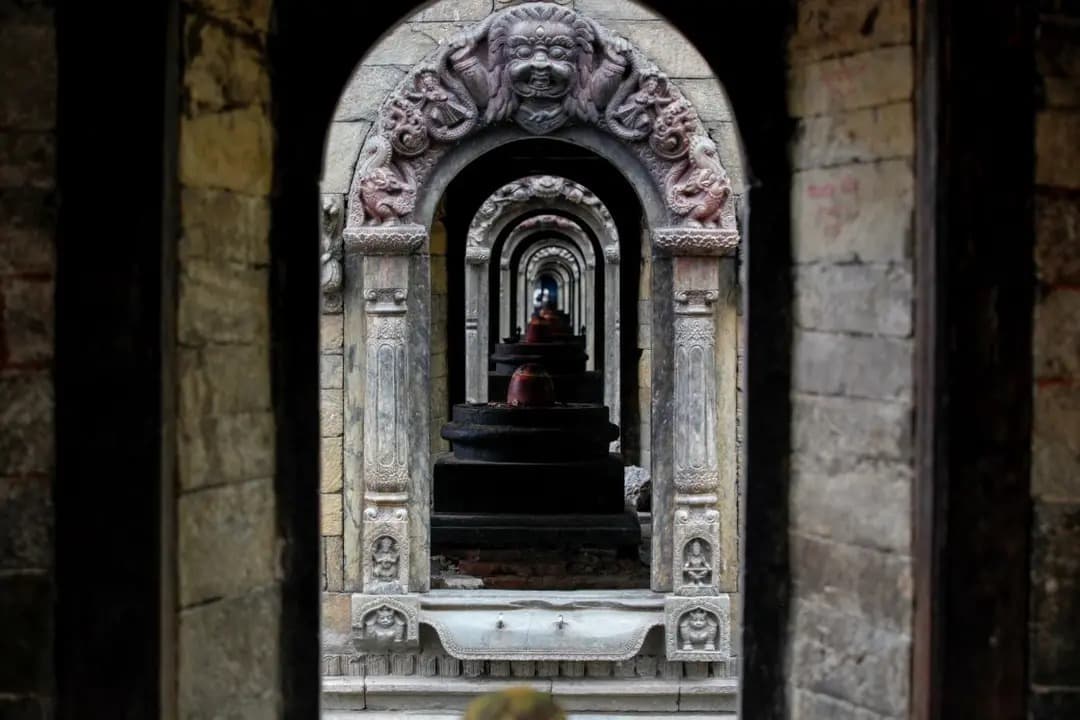
"Boudhanath Stupa is one of the holiest sites in Nepal. It envelops an absolute admiration and faith not only from the Buddhist perspective, but Hindus of Nepal also pay their equal respect to this pious Buddhist site. The Stupa is one of the UNESCO world heritages for Nepal and the station where the Stupa stands with the message of peace and love; it used to be an ancient resting point for the Tibetan merchants to Nepal and India, where they would rest and perform their holy prayers. Ever since then and now, especially Tibetans, but also Buddhist from all around the world, value the Boudhanath Stupa as their ultimate holy destination.Sightseeing of Swayambhunath Stupa- on top of a conical hill, reached by climbing a few steps, where a panoramic view of Kathmandu city can be witnessed. The Buddhist pilgrimage center - Swayambhunath Stupa, situated on the top of a hill, west of Kathmandu, is one of the most popular, holy, and instantly recognizable symbols of Nepal. The temple is colloquially known as the 'monkey temple because of the large tribe of roving monkeys who guard the temple.Pashupatinath Temple is dedicated to the Hindu Lord - Shiva, the God of Destruction, also known as Pashupatinath (Lord of Animals). This temple is, moreover, one of the final destinations for Hindu devotees of all around the world. Built in around 400 A.D, the temple is located by the holy river Bagmati, decorated within the perfection of ancient arts and crafts. Four of the main gates of the temple are made of silver. Each gate is allocated for the four-faced lingam (phallic symbol of Shiva), which is to express that the blessing of the lord shall spread in all four directions around the world. Pashupatinath Temple is home to many Hindu Sadhus from all around the world. They are spotted around preference of the temple, with long dreadlocks, meditating by the bank of the Bagmati river, and occasionally smoking marijuana - as it is believed that Lord Shiva was fond of smoking marijuana in his adobe, Kailash - Sadhus in Pashupatinath are seen impersonating Lord Shiva. "
As we exit the Kathmandu City at Balkhu, we immediately can see the change in scenery along the road. Leaving behind the concrete building of the city, we drive through farming fields, lush green forest. The road is winding and goes all the way up to Dakshinkali. The higher we go, we get the opportunity to look back at Kathmandu Valley.
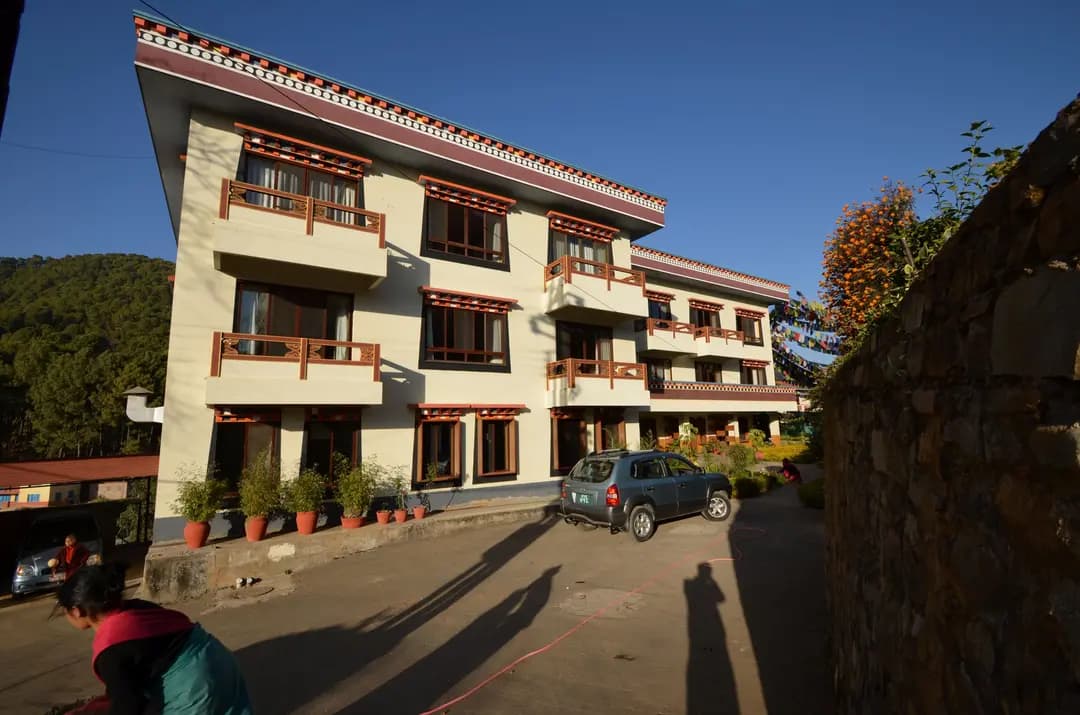
Morning prayer with monks-hike to Hattiban resort-Champadevi
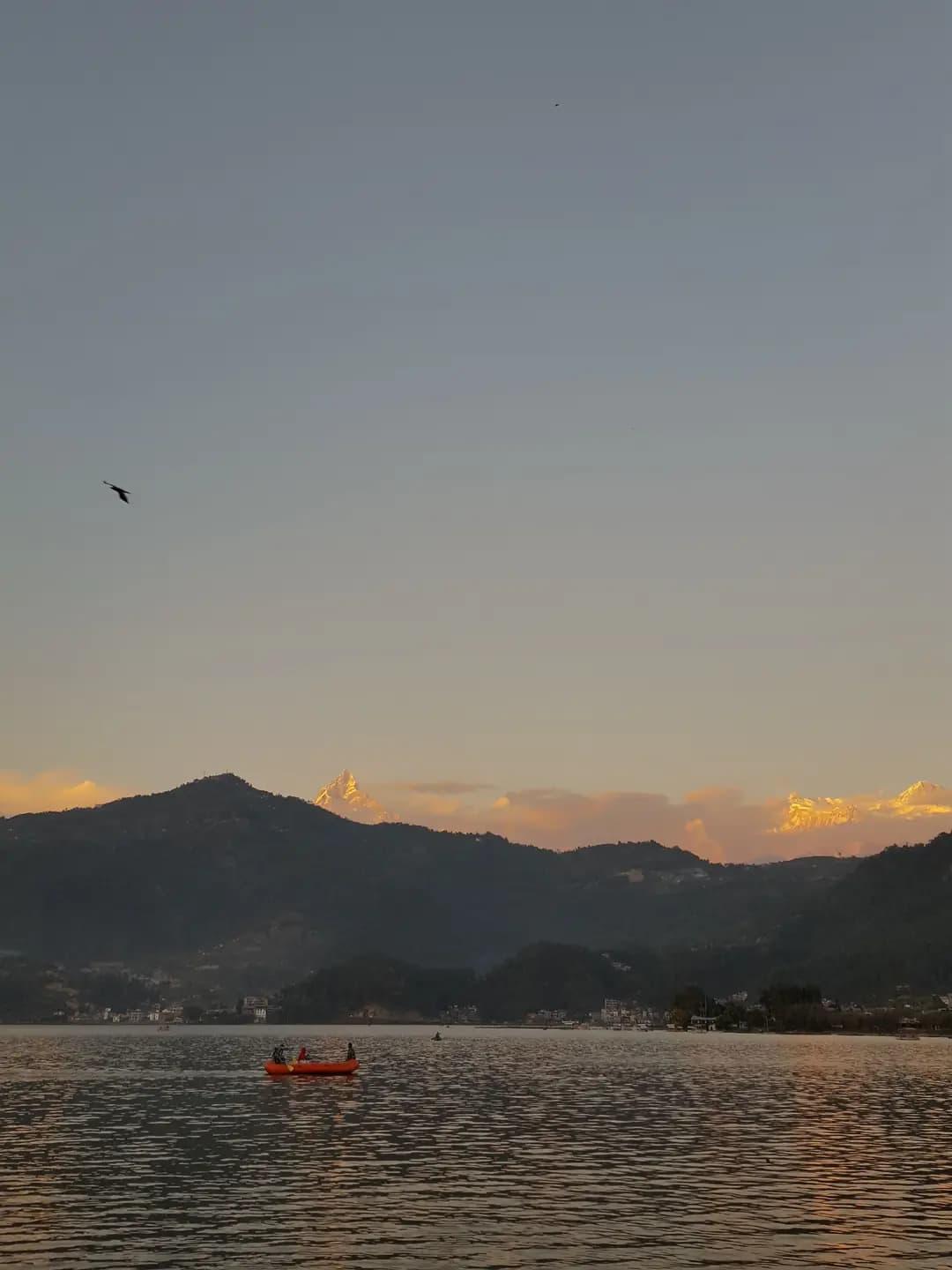
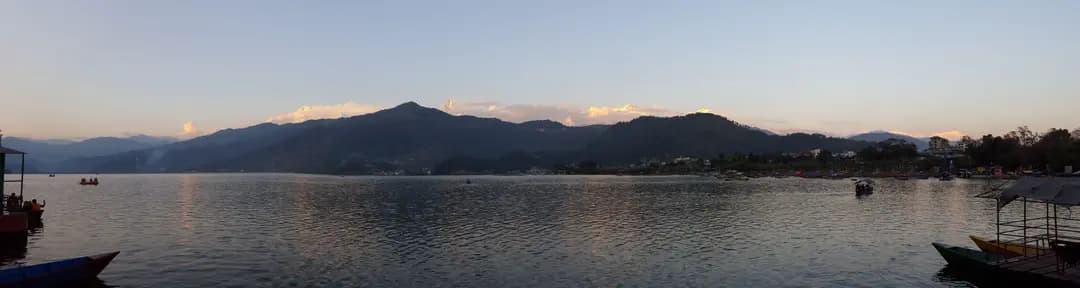
You drive along Prithvi Highway and magnificent mountain views out of the window, Pokhara awaits to mesmerize you with its beauty and nature. Pokhara is well-known as the starting point for numerous trekking trails and expeditions in the Annapurna. Pokhara is best known for its beautiful lakes. The richness of the valley in pure natural beauty is indeed one of the main attractions to visitors from all over the world. We get to see the majestic views of the Himalayas like Machhapuchhre and Annapurna.
"It is the short half an hour drive from Pokhara - Lakeside City to Sarangkot . The hill station is popular to enjoy the sunrise over the Annapurna range as well . It is a beautiful destination for mesmerizing sunrise views . Moments of spectacular pink and orange hues of the mountain ranges. You will enjoy the panoramic view of Pokhara, Fewa lake, the sea of green hills and chain of snow-capped peaks. It is also popular paragliding spot in Pokhara from where you can float over the valley and lush forests as well. Pokhara lays on a once vibrant trade route extending between India and Tibet. To this day, mule trains can be seen camped on the outskirts of the town, bringing goods to trade from remote regions of the Himalaya. This is the land of Magars and Gurungs, hardworking farmers and valiant warriors who have earned worldwide fame as Gurkha soldiers. The Thakalis, another important ethnic group here, are known for their entrepreneurial skill. The serenity of the lakes and the magnificence of the Himalaya rising behind them create the ambiance that has made Pokhara such a popular place to relax and enjoy the beauty of nature. Tourism focuses on the districts of Damside and Lakeside (or Pardi and Baidam, in Nepali, respectively). These two areas, packed with hotels and restaurants, are a few kilometers southwest of the main Pokhara bazaar.Devi’s Falls, located near the Tashling Tibetan Refugee Center is close to the Gupteshwor Mahadev Cave and are all worth a visit. Phewa Tal is Nepal’s second largest lake and you can walk or cycle around it, fly over it, paragliding off the hill at Sarankot or take a boat across it, to hike up to the World Peace Pagoda on the other side and admire close up views of the of the Annapurna Massif. "
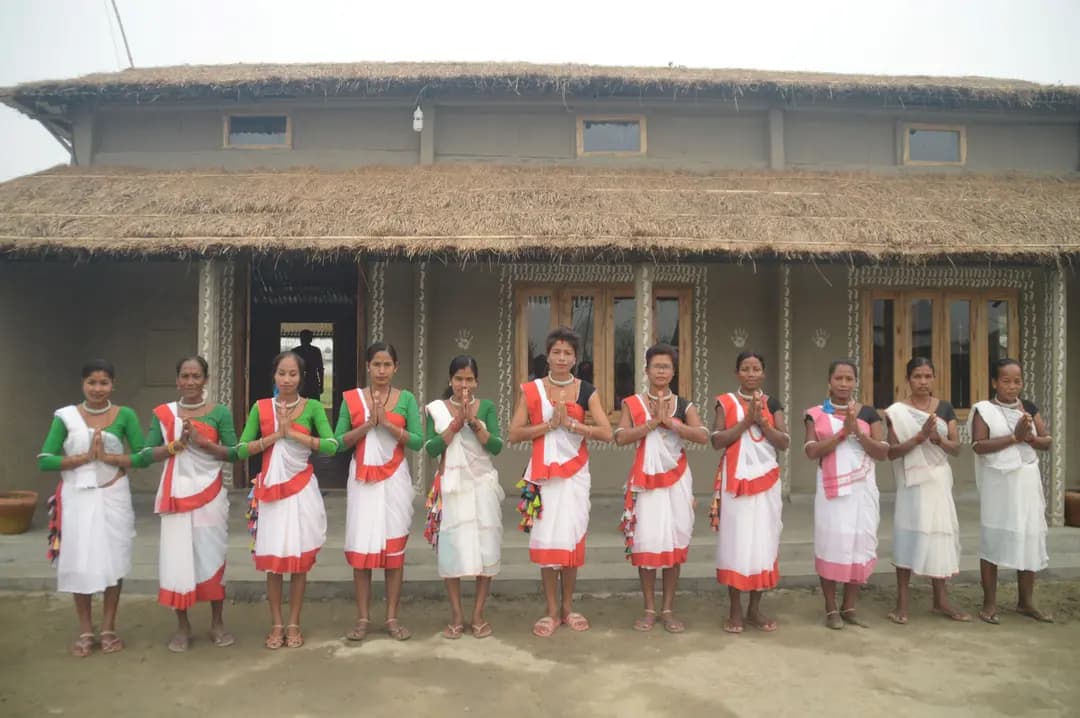
" From Pokhara, you drive via Prithvi Highway to Barauli. Barauli is very close to Chitwan National Park, across the Narayani River, with wildlife inhabiting its tropical forests. Barauli is a small Tharu village close to Chitwan National Park, famous for its wildlife, the area is less known for its rich cultural value. Tharu people have never been involved much in tourism, but are mainly farmers. At Barauli, you are welcomed by the homestay host and you can have a relaxing time and enjoy the food and culture of the local Tharu community. Chitwan has ideal bicycle-riding terrain, and you can cycle around the peaceful village to witness local lives of people, lush farmland and traditional Tharu huts and cottages. Setting off from your accommodation on your bikes, meander beside lush green rice fields, along quiet village roads, pass humble homes, and share a smile with the children who will inevitably come out for a wave and a chat. You don’t need to be an experienced cyclist, as it would be an easy ride. By heading out early in the evening, you will avoid the heat of the day and can admire the softer light as the sun begins to set. Your hour-long ride ends on the bank of Narayani River with a spectacular sunset view. Here, you can sip on a cup of tea as you watch the sun slowly sinking behind the jungle of Chitwan National Park on the other side of the river. You shall be accompanied by a local guide who will keep you on the right path, and tell you more about the lifestyle of the inhabitants.Tharus are ethnic community residing in the Terai plains of Nepal. They are proud of their culture, perhaps because they have one of the best cultures in Nepal. The famous 1-2 hours Tharu stick dance is simply amazing. Tharu men and women adorned in traditional attire dance and sing in your homestay, normally at night in a sense to provide bit of recreation and relaxation with cultural vibes. You are sure to join them and dance to their tunes. "
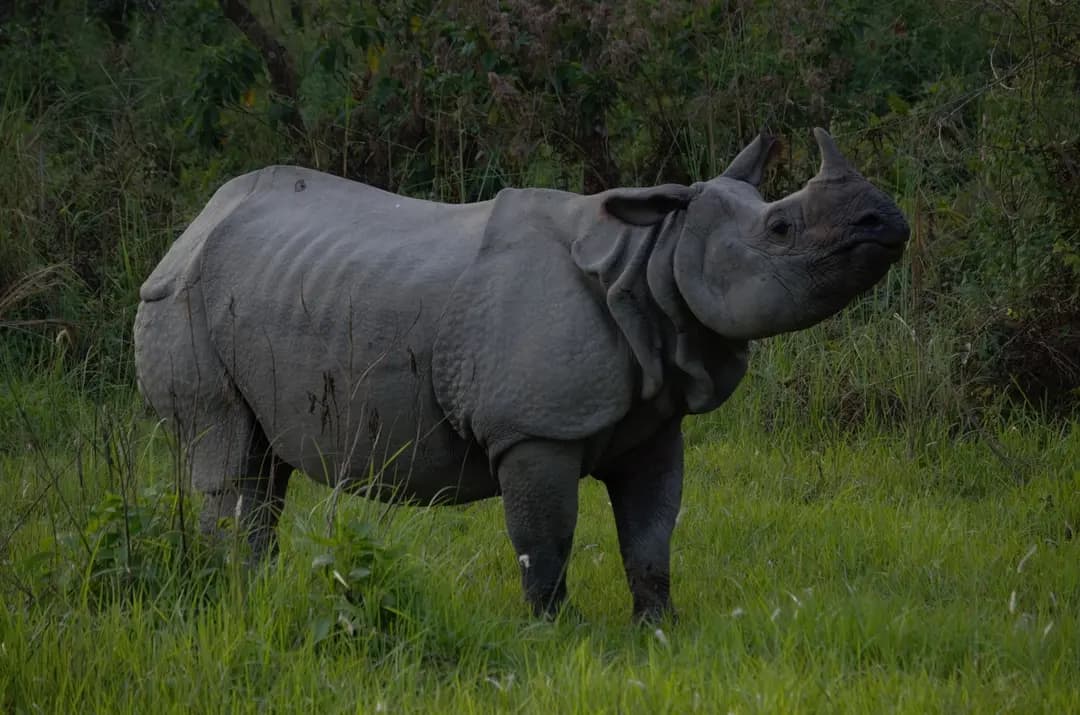
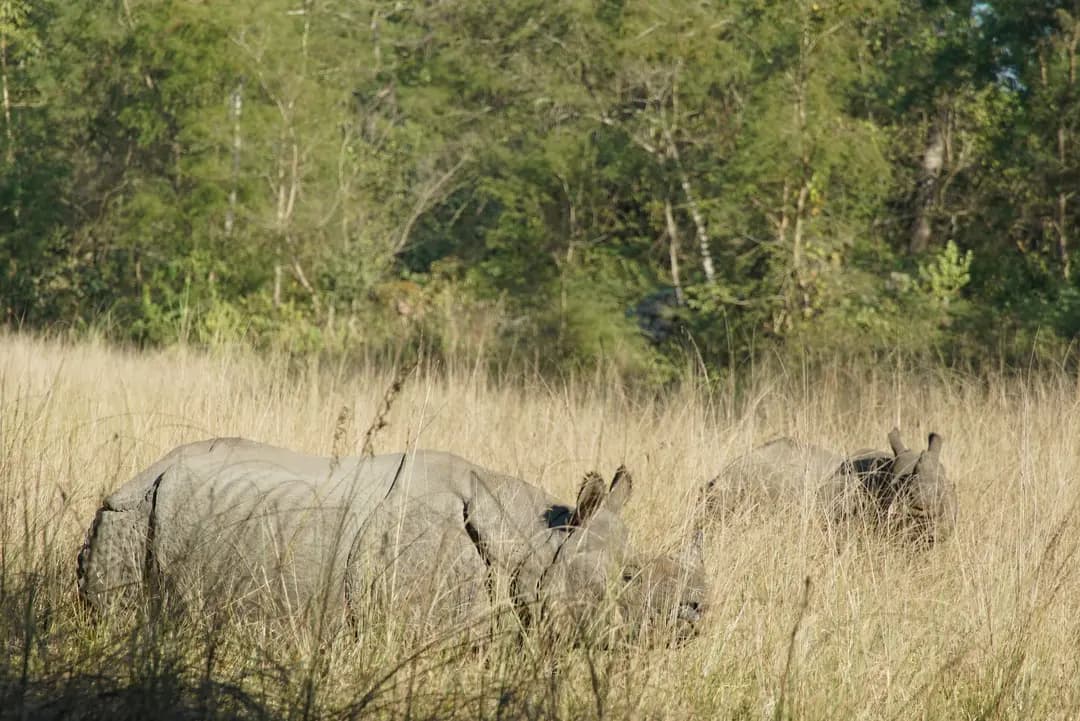
Nepal is considered a bird watching sanctuary, with an astounding 848 species identified across the country. If you are a keen bird-watcher or the one who do not know anything about the avian world, will have an opportunity to keep your eyes and ears open for the birds. The Chitwan National Park is home to a more than 650 species of birds, including some seasonal migratory birds from Siberia and India. On a guided walk in the forest, you can have a good chance of seeing and hearing Egrets, Black ibis, Francolins, Lesser whistling ducks, Hornbills, Cormorants, Dater, Cinnamon Bittern, Black-Crowned Night, Purple Herons, Kingfishers, Warblers along the marshes . As you shall be on foot, you have a greater chance of getting close to these birds.Touring the national park in a jeep is a must do activity while you are in Chitwan. You can keep your eyes open for rhinos, tigers, deer, and birds, with an open-topped jeep. You can feel the breeze, listen to the sounds of the animals, and drive with the best views of the jungle, Narayani River. The Jeep safari is one of the best ways of spotting a wide range of wildlife, including enormous one-horned rhinoceros, elusive Royal Bengal Tigers, various deer, wild boar, wild elephants, striped hyenas, pangolin, and a multitude of birds. You are accompanied by an expert naturalist who shall guide you the best places to look, animal behaviours and their habitat. Your route through the park may depend on the season and the weather.Tharu is an ethnic community residing in the Terai plains with their unique culture and traditions. You can learn about their culture through culinary traditions. Your host will guide you through cooking delicious Tharu feast, from selecting the ingredients and cutting them, to cooking and seasoning them properly, you’ll make your own meals from scratch. You will find that the vegetable curries and rice tastes different than you have tasted before. You may get the chance to try Tharu specialties, like ghonghi (edible snails), or dhikri (rice-flour). Whether you’re an experienced cook or not, you’ll certainly learn something new, and get to practice new skills. Cooking with the simple but effective equipment available in the traditional Tharu kitchen is likely to be different from any other cooking experience you’ve had before. Afterwards, you can enjoy eating what you have cooked. It would definitely taste good dining with the hosts.
"A classic Newari village, Bungamati has rows of brick houses lining streets paved with flagstones. The village is the winter residence of the Rain God as well as being justifiably famous for the significant number of skilled woodcarvers among its inhabitants. Nearby is another ancient Newari village, Khokana ,which has earned quite a reputation for its mustard oil made in the traditional ways of oil pressing. If you come across somebody with a weathered face carrying two tin drums hanging at the two ends of a pole across his shoulders in the old marketplaces of Kathmandu, it is likely that he is from Khokana and in town to sell mustard oil. A half day exploring these 2 villages will be one of the most genuine experiences of traditional life in the Kathmandu Valley you will find.Bhaktapur, an important and fascinating World Heritage Site, made up of three large squares filled with shrines, temples and activity; Bhaktapur is the essential Newari city with some of the finest architecture in Nepal. In its heyday (14th-16th centuries) Bhaktapur was the most powerful of the Kathmandu Valley kingdoms and its capital for 300 years. Despite earthquakes and frequent rebuilding, Bhaktapur today retains a medieval feel; its neighborhoods are still caste-oriented and centered around the old ponds or tanks (built to store water for drinking, washing and religious ceremonies) and which continue as a social focal point. Local people here are predominantly farmers or engaged in the traditional crafts of pottery, metalwork, art and woodwork which have supported the city since its establishment in the 12th century to service the trade route between Tibet and India and remain active industries. A fascinating place to explore ! "
There are no activities planned for the day. You may choose to wander around the city or visit nearest market on your own. Should you wish to discuss any possible day activities or programs, please feel free to contact your contact person.
"As per airlines regulation, travelers needs to check in to their respective airlines counter at around 3 hours before the scheduled flight time. Your booked airport transfer will be at your hotel, ready to take you to the airport. Depending upon the traffic on the road, the drive from your hotel to airport may take around 30 minutes or more. At the airport, security will check for your flight ticket - either hard copy or on your mobile along with your passport before you are allowed to enter the departure hall."
Trip Particulars
Included
English Sightseeing and Trekking Guide
Private transport as per group size to and from the trekking region
Excluded
Any item not specified as included
Tips and gratuities
Expenses of personal nature such as bar bills, mineral water, laundries, telephone calls, internet facility, Electronic Device Charge, Hot Water shower
Travel and medical insurance including evacuation and cancellation (including helicopter evacuation)
Good to know
The Nature & Culture Tour offers a perfect blend of Nepal’s stunning natural beauty and rich cultural heritage. Travelers explore diverse landscapes, from serene hills and lush jungles to breathtaking Himalayan vistas, while immersing in centuries-old traditions, ancient temples, and vibrant local communities. This journey provides a deep connection with Nepal’s spiritual, historical, and ecological wonders.
Booking Terms & Policies
Cancellation Policy
Cancellation policies vary depending on the service provider.
It is advisable to review the terms and conditions before booking.
Refunds and charges may apply based on the cancellation timeframe.
Settlement & Payment
Payments can be made through various methods, including bank transfers, credit/debit cards, and online payment gateways.
Advance payment may be required to confirm bookings.
Standard Terms & Conditions
Comprehensive travel insurance covering medical emergencies, trip cancellations, lost baggage, and unforeseen events is highly recommended for a hassle-free journey.
Travelers should check entry regulations and obtain the necessary visa in advance.
Related Packages
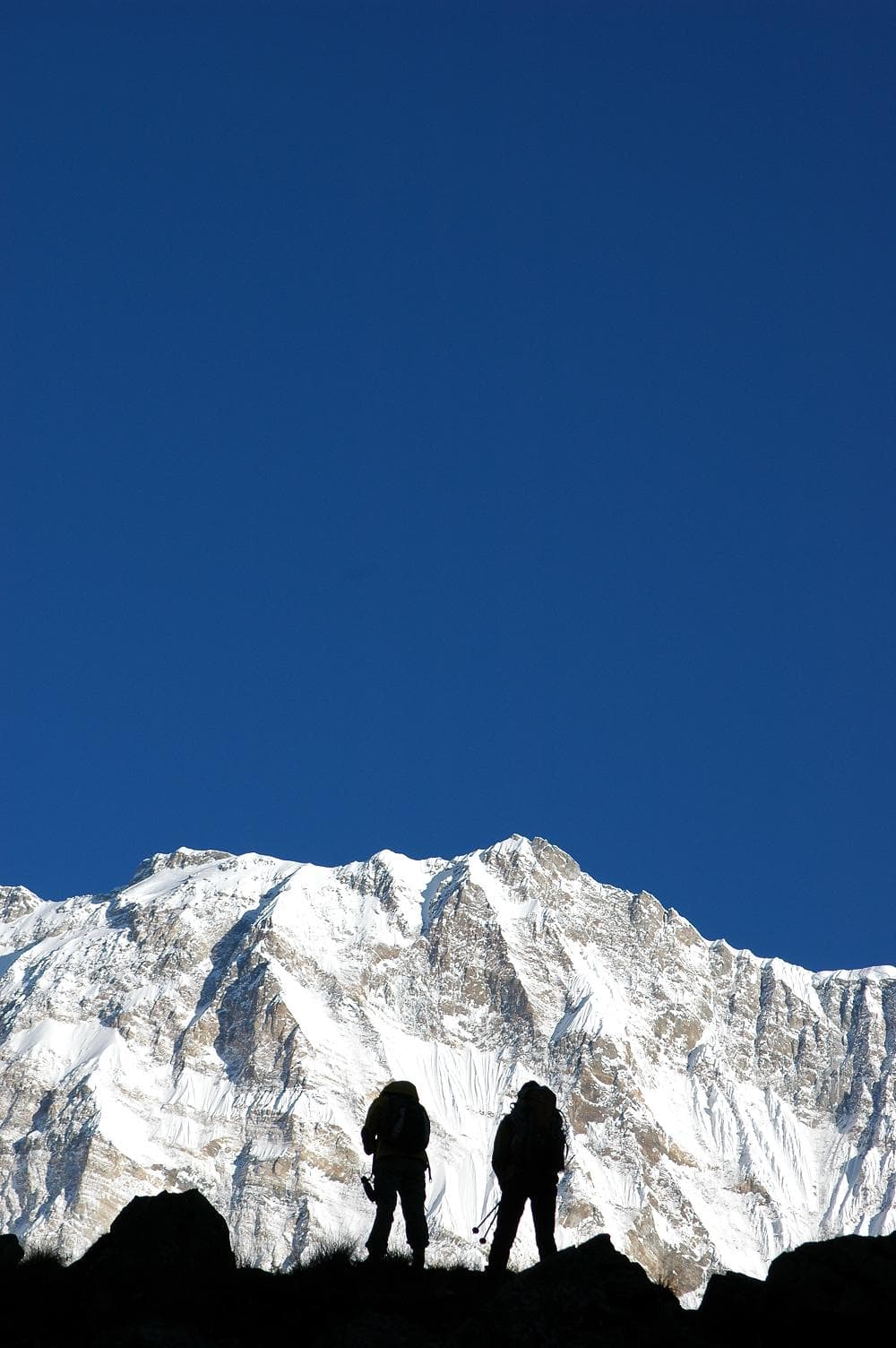
Annapurna Base Camp
Base Camp (ABC) is a renowned trekking destination in Nepal, situated at an altitude of 4,130 meters within the Annapurna Conservation Area. Surrounded by towering peaks, including Annapurna I (8,091m), the trek offers breathtaking views of the Himalayas, diverse landscapes, and rich biodiversity. The journey passes through picturesque villages, terraced fields, rhododendron forests, and natural hot springs, providing an immersive cultural and natural experience. Known for its moderate difficulty level, the ABC trek is ideal for adventure enthusiasts seeking a rewarding Himalayan experience.
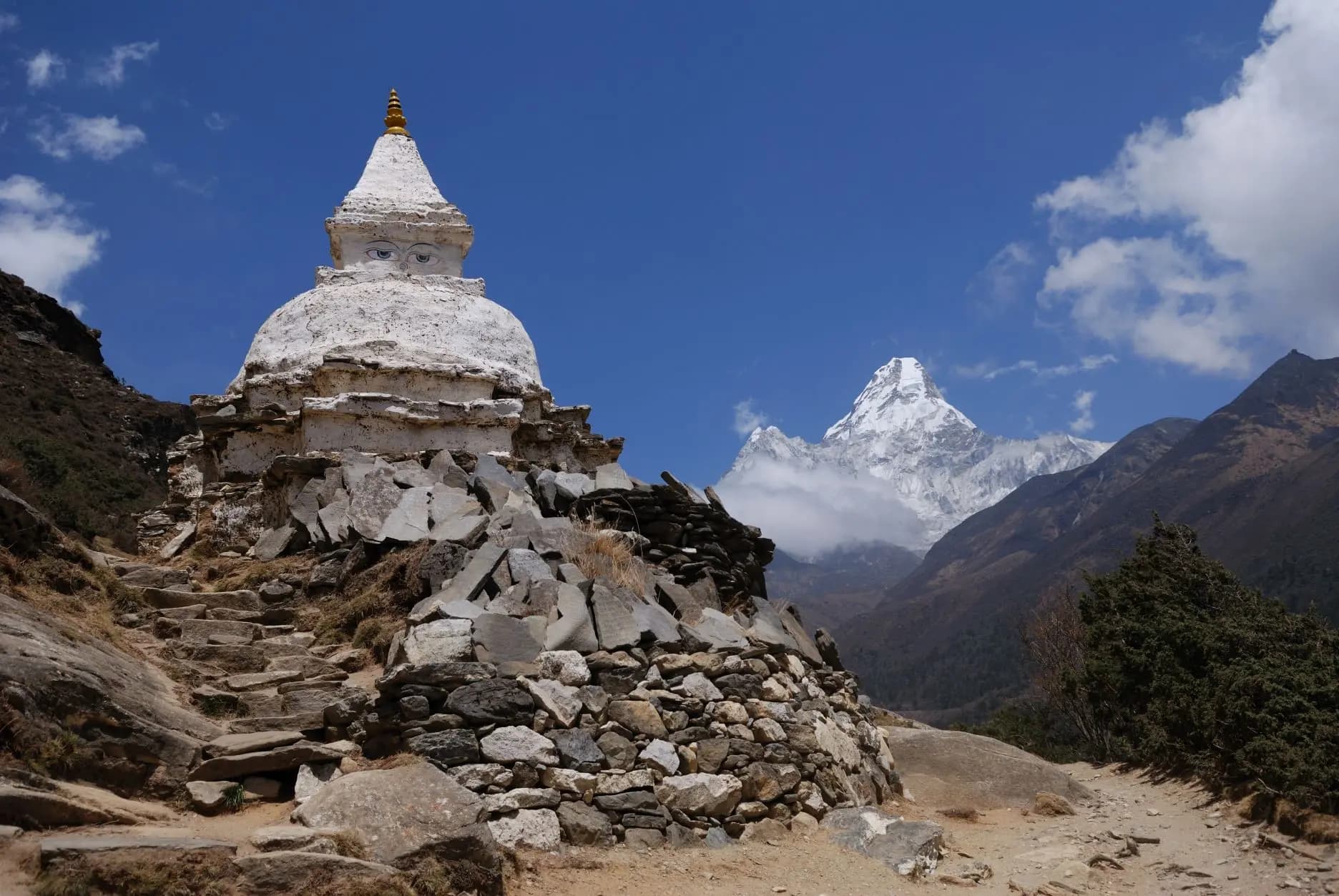
Everest Base Camp
The Everest Base Camp (EBC) Trek is one of the most iconic trekking adventures in the world, leading to the base of Mount Everest (8,848m). This challenging yet rewarding journey takes trekkers through the heart of the Khumbu region, offering breathtaking views of Everest, Lhotse, Nuptse, and Ama Dablam. The trek passes through Sherpa villages, monasteries, and diverse landscapes, providing a rich cultural and natural experience. Highlights include the vibrant town of Namche Bazaar, the historic Tengboche Monastery, and the Kala Patthar viewpoint (5,545m) for panoramic sunrise views over Everest.
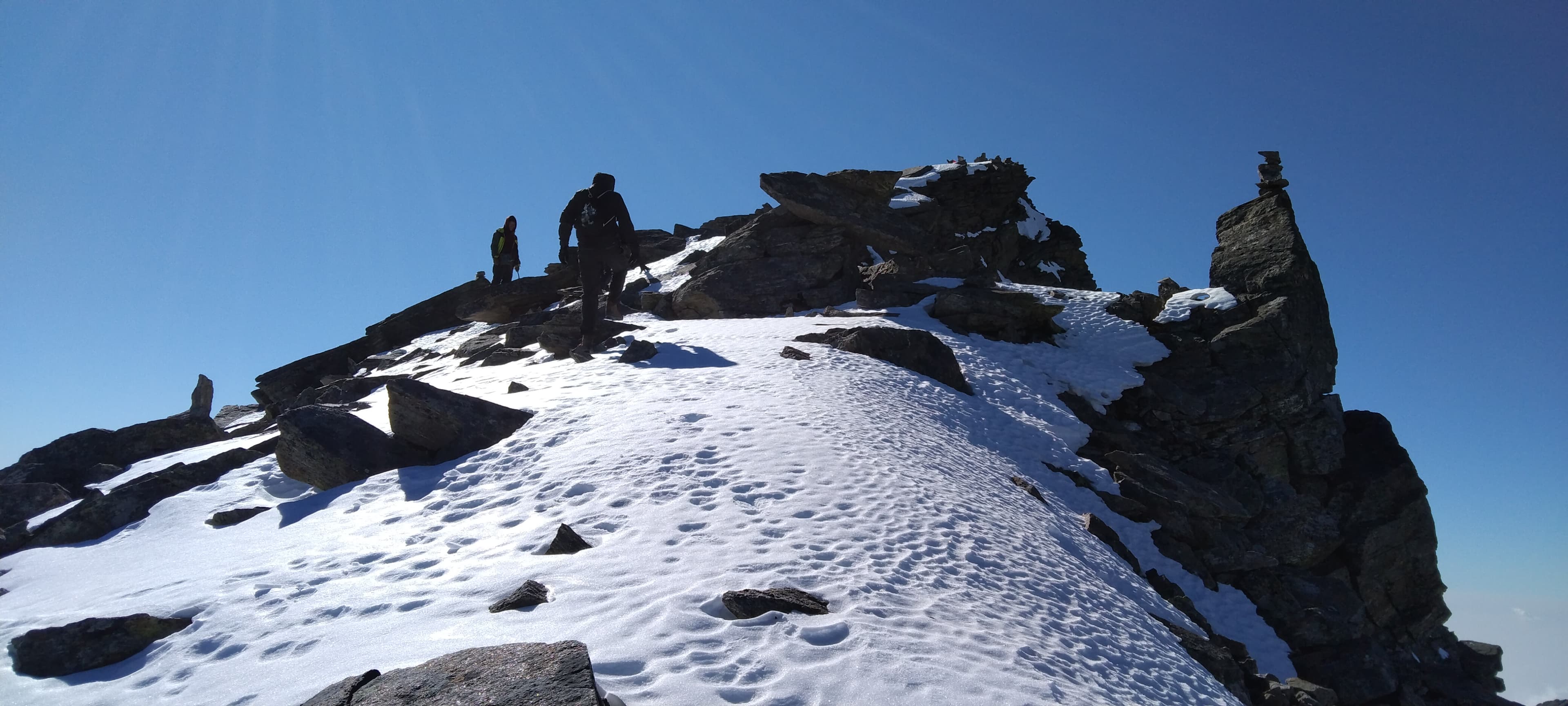
Langtang Surya Peak Trek
The Langtang Surya Peak Trek is a thrilling journey in the Langtang region, combining stunning Himalayan landscapes with rich cultural experiences. This trek leads to Surya Peak (5,145m), a breathtaking vantage point offering panoramic views of Langtang Lirung, Ganesh Himal, Dorje Lakpa, and even parts of Tibet. The trail passes through Langtang National Park, home to diverse flora and fauna, traditional Tamang villages, and ancient monasteries. Ideal for adventure seekers, this trek provides a perfect blend of natural beauty, cultural immersion, and high-altitude trekking challenges.