
Manaslu Circuit Trek
Trekking & Adventure
Moderate Adventure
18 Days
Manaslu Circuit
Kathmandu
Kathmandu
30 persons
5106m
Total Price
Package Highlights
- 1.Diverse Landscapes:
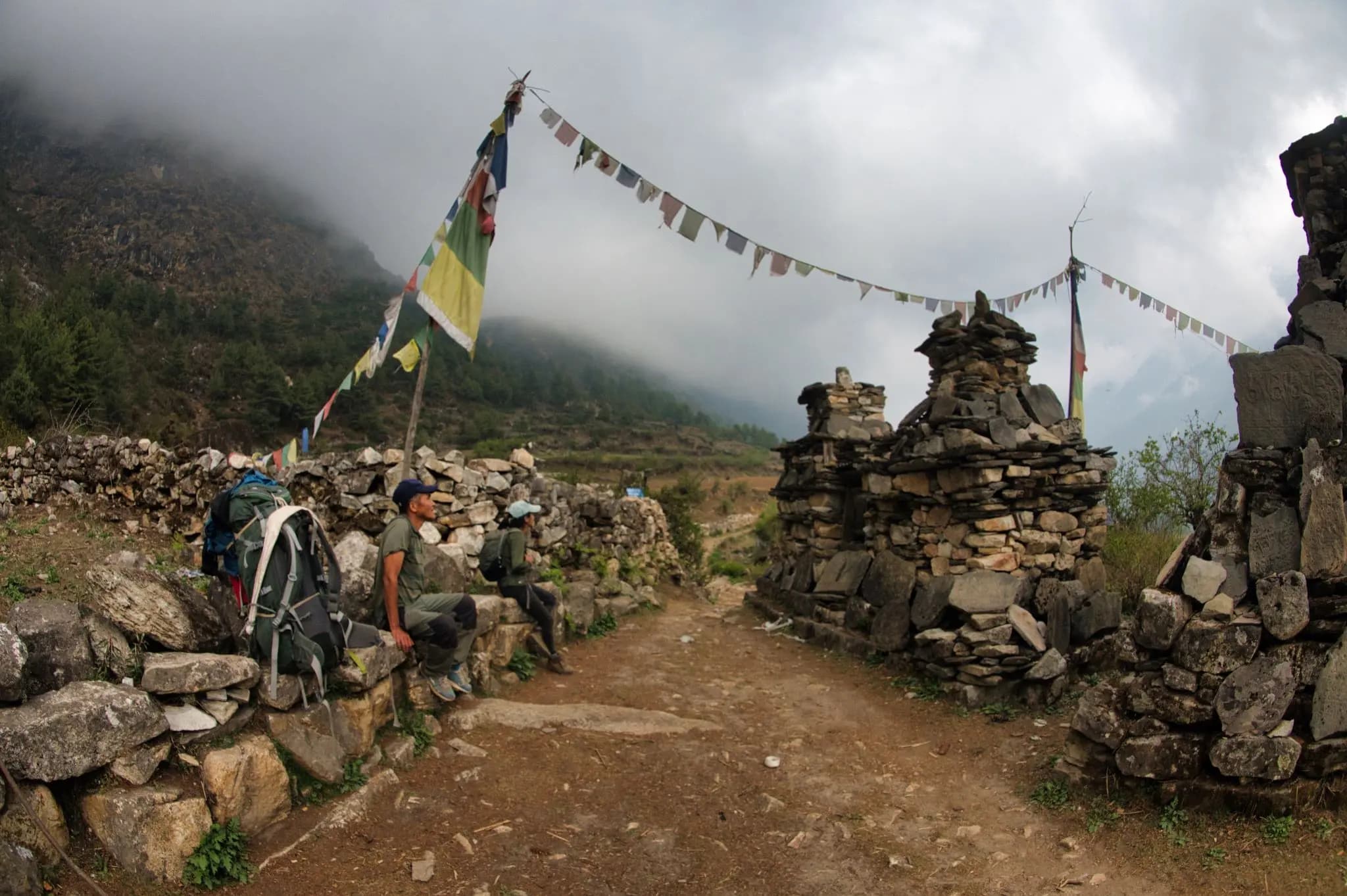
Trek through lush forests, river valleys, alpine meadows, and high-altitude glacial terrain.
- 2.Rich Tibetan Culture:
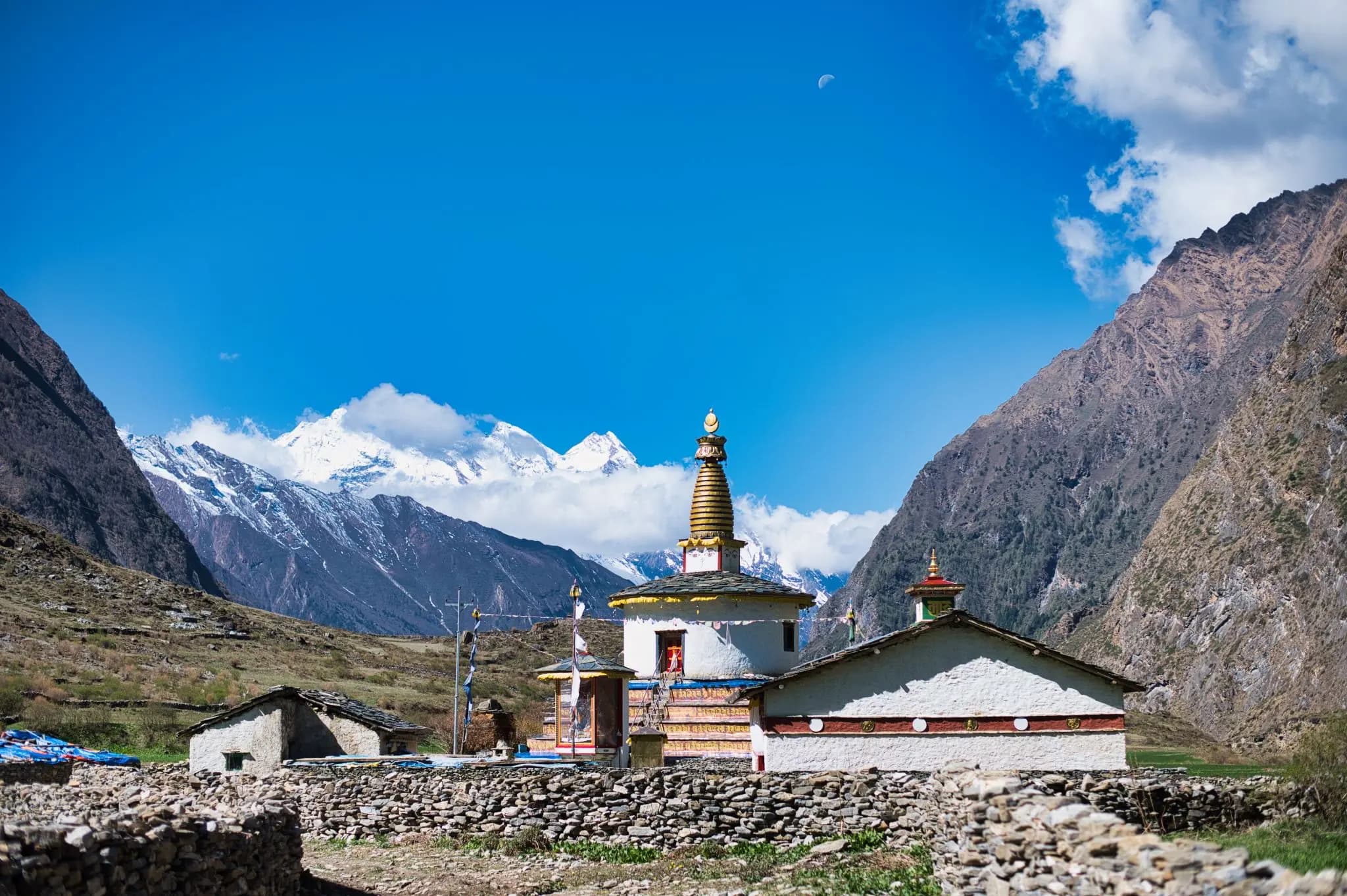
Explore traditional villages, ancient monasteries, and Buddhist heritage influenced by Tibetan culture.
- 3.Remote & Less Crowded Trail:
A peaceful trekking experience away from the crowds of Everest and Annapurna regions.
- 4.Larkya La Pass (5,160m):
A breathtaking high-altitude pass with stunning views of Manaslu, Himlung, and Annapurna ranges.
The Manaslu Circuit Trek is a remote and less crowded trekking route that encircles Mount Manaslu (8,163m), the eighth-highest peak in the world. This off-the-beaten-path adventure takes trekkers through diverse landscapes, from lush green forests and terraced fields to high-altitude alpine terrain. The trek offers a rich cultural experience, passing through traditional Tibetan-influenced villages and ancient monasteries. The highlight of the journey is crossing the Larkya La Pass (5,160m), which provides breathtaking panoramic views of Manaslu, Himlung, and Annapurna ranges. This trek is perfect for those seeking a challenging yet rewarding Himalayan experience.
Trip Itinerary
Flying into Kathmandu is an unforgettable experience with the Himalaya spread out before you. You will be met at the airport on arrival and transferred to your hotel. Teeming with life, Durbar Square is Kathmandu’s greatest tourist attractions. Here Kathmandu’s kings were crowned, lived and worshipped. Of the 50+ monuments the most famous is the Kumari Bahal, the richly decorated home to the Royal Kumari, Living Goddess and manifestation of the great goddess Durga. The 14th century Jagannath Mandir is the oldest temple in the area and nearby the Telaju Mandir is dedicated to the patron deity of the royal family, a wrathful form of Durga who once demanded human sacrifices. You will walk through Itumbahal, an old Newari settlement set in a large courtyard and famous for its traders in herbal spices and medicines. From here you continue to Indrachowk, one of Kathmandu’s most colorful and ancient local markets and Ason chowk; another market dedicated to spices and local vegetables, and Annapurna temple, which is dedicated to the goddess of Grains. Heading to Thamel, a popular tourist hub, you can familiarize yourself with the local culture and surroundings.
"First stop this morning is Boudhanath; one of the largest Buddhist stupas in the world. Before construction of the 118-foot stupa, the site was visited by every Tibetan merchant passing through Nepal. For centuries they rested here and offered prayers to Lord Buddha. Next visit Pashupatinath, one of the holiest Hindu temples in the world dedicated to Lord Shiva. Originally built in AD400. Inside the temple is the statue of a four-faced six-foot lingam, a phallic object as a symbol of Shiva, resting in the middle of a rimmed, disc-shaped structure, phallic symbol of Shakti – a concept or personification of divine feminine creative power. These are symbols of creation and that blessings of Shiva can be found in all four directions. This monument is a fine display of religious harmony in the country. Another UNESCO World Heritage Site, Bhaktapur is a brilliant illustration of Newari architectural skills, a city of pagoda roofs and harmonious blend of wood, mudbrick and copper – especially notable is the Nyatapola Temple (Palace of 55 Windows). Many locals continue to practice traditional crafts and you will join a pottery class to try your hand at replicating some of these marvels."
You start from your hotel by private jeep and drive through the hilltop village of Dhading leading you to Soti Khola via Arughat. You can expect a dusty and bumpy drive as the road passes along beautiful rural communities, small towns, green terrace farms and lush hills.
Starting from Soti Khola, you trek through the countryside past paddy fields and waterfalls, passing through isolated settlements of houses with dark slate roofs. Cross a suspension bridge over the Budi Gandaki River and, following the rocky trail, you head onto the village of Machha Khola.
Following the narrow trail cross the Thado Khola you reach Khorla Besi. Passing through villages accompanied by the beautiful mountain views you will eventually reach a hot spring “Tatopani” where you can relax for a while. Then climb to bridges to cross Budi Gandaki and head towards Dobhan. Further on you enter the Manaslu Conservation Area and reach the beautiful paved village of Jagat.
Following the river, you cross and re-cross it via suspension bridges several times along the way, and pass through the settlements of Salleri, Sirdibas and Ghatta Khola. After crossing the river at Eklee Bhatti the route enters a steep, uninhabited gorge and continues through bamboo forests before reaching the Deng Khola. After crossing this river, you reach the tiny village of Deng.
"Today is one of the most important and culturally significant sections of the Manaslu trekking. First, cross the Budhi Gandaki river and climb up to the bridge, where you’ll climb a bit further to join a trail from Bhi. Then head west up the valley passing through lush forests, alpine vegetation, and quaint villages housing ethnic groups of the Manaslu region, with major peaks starting to appear in the distance. Even though there is another route, you will take the trail through Prok. This village has a beautiful vantage point of the snow-capped Siringi Himal. Take a break here and then continue to cross the Budi Gandaki several times today passing several gompas along the way. The trail then follows the river upstream through a dense forest and leads to a narrow gorge. Keep going until you notice the forest becomes less dense. This rewarding part of the walk is a magnificent way to experience the Manaslu Conservation Area. You’ll eventually make one last steep climb to reach Namrung Village."
Continuing your climb along the forest past Budi Gandaki, you have your first stunning glimpse of Manaslu North and Manaslu. The local people here are dressed in Tibetan style clothing and you can visit Ribung Gompa, the Buddhist monastery in this village.
Once again climbing through the forest you are accompanied by beautiful views of the Himalayas, a panoramic spread stretching to the horizon, with up close views of Manaslu. You enter into the Nupri region inhabited by Tibetan immigrants and your trail leads through rhododendron forest and yak pastures. You will be lucky if you are trekking in the spring, as you will be surrounded by red, pink and white rhododendron flowers!
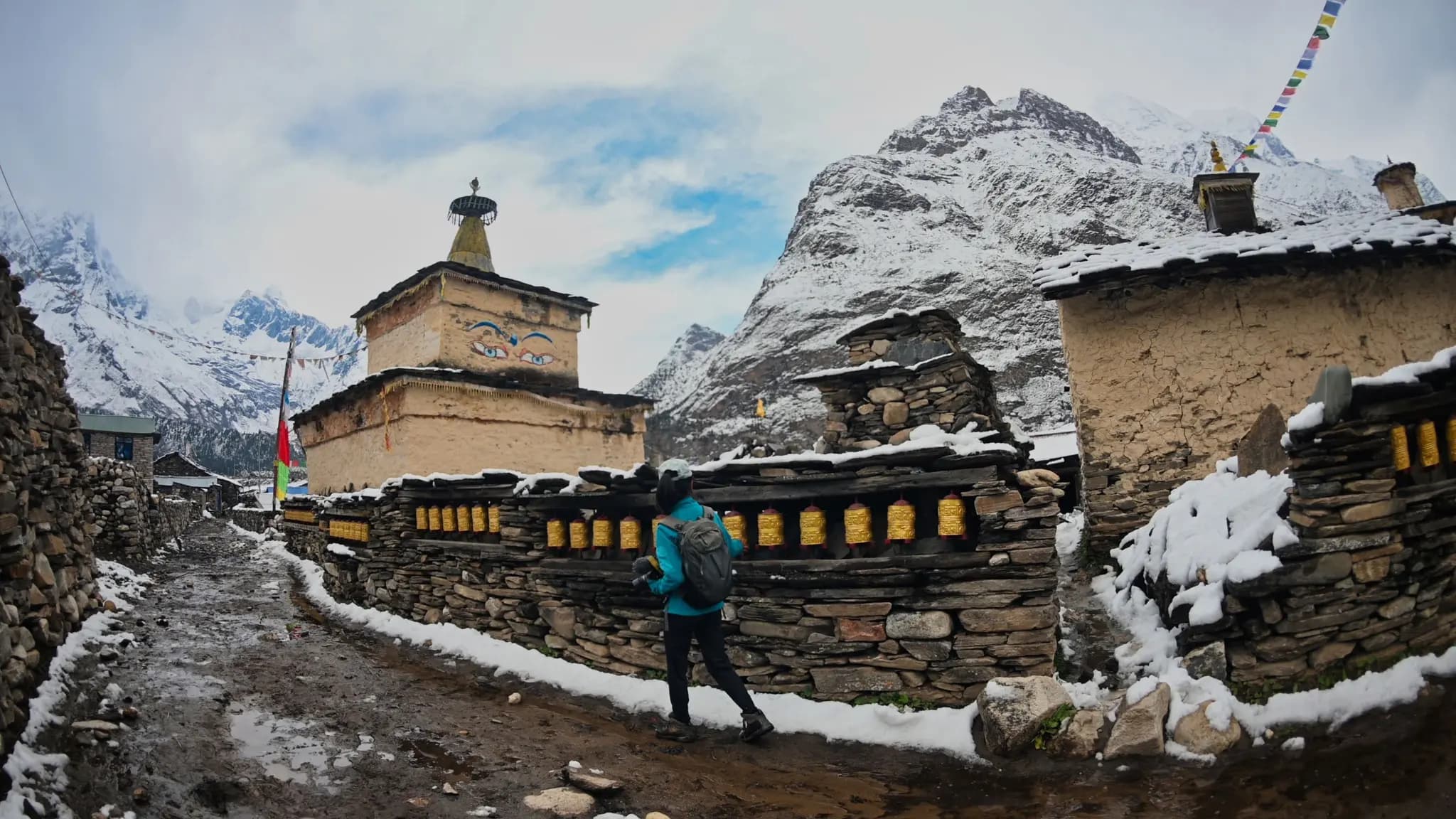
" To acclimatize to the higher altitude, you have this day to relax. You can hike to Manaslu Basecamp (4800m), or visit the monastery perched on a little hill near the village. Pungyen Gompa has great views of the glacier, or you can walk to the glacial lake, Birendra Tal. In Samagaon village you can learn more about Sherpa culture and admire the many mani stones with Buddhist texts and pictures inscribed on them."
"Your route descends to the Budi Gandaki River and you follow it to a bridge over a side stream. You’ll then pass several mani walls as the valley begins to widen. The mountain views along this route are amazing and get you close to the Tibetan border. This is an easy trek on a shelf above the river that passes juniper and birch forests in Kermo Kharka. Drop down and cross the Budhi Gandaki over a wooden bridge, and then climb steeply onto a promontory between two forks of the river. You’ll come to a stone archway and continue walking until you reach the village of Samdo. Here you might see caravans of yaks returning with loads from Tibet. If you’re lucky you can visit some of the local houses and drink chhyang (Tibetan barley beer), or salt butter tea with the locals."
Crossing a wooden bridge over the Budi Gandaki, you start to hike up to where you can see the Larkya Glacier as you go around the Salka Khola river valley. You will reach a stone guest house (at 4480 m), which is not a lodge but a shelter, called Dharamshala. You walk past the glaciers all the time accompanied by spectacular views and the hike is short, and you have plenty of time for acclimatization and time to relax in the afternoon even if you have paused at some of the many small monasteries along the way.
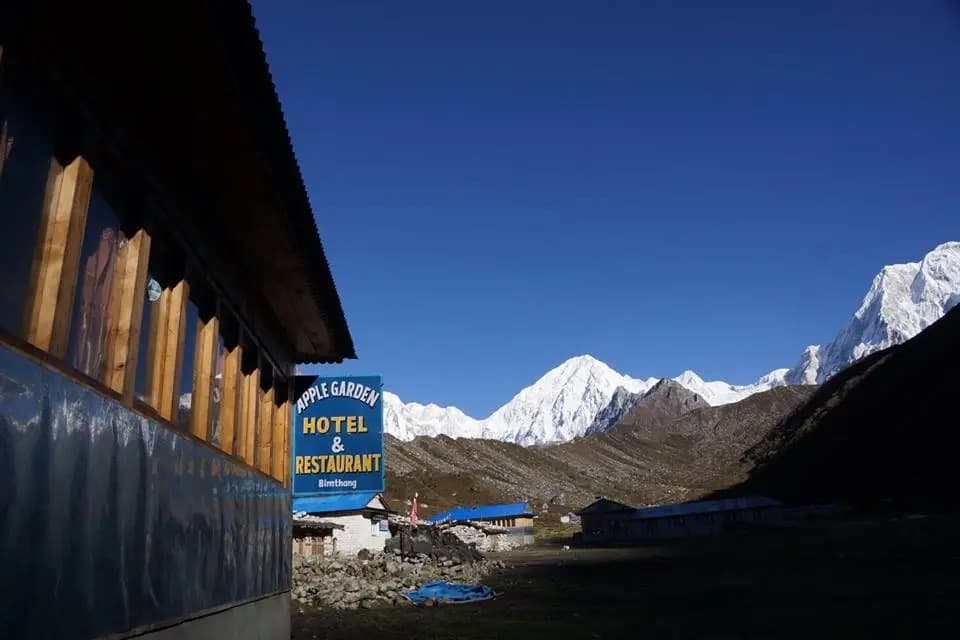
" The trail moves up from Larkya Phedi with stunning views of Larkya Peak. Lonely Planet states that “the Larkya La is one of the most dramatic pass crossings in the Himalayas”. This is the highest point of the Manaslu Circuit, the most challenging day. With an early start, you cross glacial moraines in the dark before reaching the highest point of the trek at the Larkya La Pass (5106m), just 8 kilometres from the Tibetan border. The Larkya La Pass is an excellent point to marvel at the surrounding snow peaks. You have time to take in the unbelievable views before you go down the steep, ankle straining drop to the trail that follows the glacial moraine downwards that brings you to Bimtang, which consists of abandoned homes and Buddhist prayer stones."
" After passing through the dense forest, you cross a high pasture “Sangure Kharka” and then cross the Dudh Khola river. From here, walk through a rhododendron forest and follow a trail along a rocky riverbed and through a narrow valley until you reach Karche, the highest cultivated land of the valley. Pass through lush fields before making a steep climb over a ridge. The trail comes off the ridge in a big, sweeping arc to the riverbank. A short distance beyond is the village of Gho where some trekkers choose to stay the night, but you continue, making a steep climb over a ridge to reach Tilije. Mostly, Manangis and Chettris reside here, thus we get to indulge ourselves with Nepali food and local Tibetan tea."
This is the last day of your trek and you descend all the way to Chamje. It is a rapid descent into the Marsyangdi Valley and through the forest until you join the well-trodden trail of the Annapurna Circuit. Finishing at Chamje, you stay here for the night and can celebrate your success as you have completed the Manaslu Circuit!
After breakfast, you drive by local transport as far as Besisahar. As we leave Besi Sahar we continue our drive along the Dumre-Besi Sahar-Chame Highway. The first part of the highway is sloppy and slow with paved road alongside Marshyangdi River flows. Then after we drive towards broad road of Prithivi highway all the way to Galchi. , where we'll have our lunch. On a clear weather day we can see mountain range going towards Thankot- Checkpoint. Then we will enter the small and busy roads which leads us towards Kathmandu. Kathmandu is an incredibly diverse, historic city with amazing architecture, exquisite wood carvings and metal craft which showcase the skills of the Newar artisans of centuries ago.
Patan Durbar Square is surrounded by a fascinating array of temples, built in various architectural manners, varies from the era of its establishment. Patan Durbar Square is a home of numerous temples like Krishna Mandir, Bhimsen Mandir, Taleju Bell and much more, which displays Gods and Humans, in Nepal, have always lived with next to each other since long-long time ago. All the temples of the Patan Durbar Square are decorated with the samples of the masterpiece of Nepalese handicrafts; according to the Newari architecture. The city is built on Newari cultural perspectives, thus, the city envelopes the pride of Newari cultural history. A classic Newari village, Bungamati has rows of brick houses lining streets paved with flagstones. The village is the winter residence of the Rain God as well as being justifiably famous for the significant number of skilled woodcarvers among its inhabitants. Nearby is another ancient Newari village, Khokana ,which has earned quite a reputation for its mustard oil made in the traditional ways of oil pressing. If you come across somebody with a weathered face carrying two tin drums hanging at the two ends of a pole across his shoulders in the old marketplaces of Kathmandu, it is likely that he is from Khokana and in town to sell mustard oil. A half day exploring these 2 villages will be one of the most genuine experiences of traditional life in the Kathmandu Valley you will find.
"As per airlines regulation, travelers needs to check in to their respective airlines counter at around 3 hours before the scheduled flight time. Your booked airport transfer will be at your hotel, ready to take you to the airport. Depending upon the traffic on the road, the drive from your hotel to airport may take around 30 minutes or more. At the airport, security will check for your flight ticket - either hard copy or on your mobile along with your passport before you are allowed to enter the departure hall."
Trip Particulars
Included
Porter for 2 trekkers/ maximum 15 kgs luggage per porter
Trekkers Information Management System (TIMS)
Annapurna National Park permit (ACAP)
Manaslu Conservation Area Project (MCAP Permit)
Manaslu Region Special Permit
Sightseeing tour with Entrance and Monumental fees
English Sightseeing and Trekking Guide
Accommodation in basic tea house on room only basis – Sharing Room
Accommodation in Mentioned Hotel in Patan and Kathmandu on Bed and Breakfast Basis – Twin Sharing
Local transport Chamje to Besisahar
Private transport as per group size to and from the trekking region
Excluded
Expenses arising from unforeseen circumstances beyond the control of Royal Mountain Travel
Any item not specified as included
Tips and gratuities
Expenses of personal nature such as bar bills, mineral water, laundries, telephone calls, internet facility, Electronic Device Charge, Hot Water shower
Travel and medical insurance including evacuation and cancellation (including helicopter evacuation)
All meals while on trek
Good to know
The Manaslu Circuit Trek is a remote and less crowded trekking route that encircles Mount Manaslu (8,163m), the eighth-highest peak in the world. This off-the-beaten-path adventure takes trekkers through diverse landscapes, from lush green forests and terraced fields to high-altitude alpine terrain. The trek offers a rich cultural experience, passing through traditional Tibetan-influenced villages and ancient monasteries. The highlight of the journey is crossing the Larkya La Pass (5,160m), which provides breathtaking panoramic views of Manaslu, Himlung, and Annapurna ranges. This trek is perfect for those seeking a challenging yet rewarding Himalayan experience.
Booking Terms & Policies
Cancellation Policy
Cancellation policies vary depending on the service provider.
It is advisable to review the terms and conditions before booking.
Refunds and charges may apply based on the cancellation timeframe.
Settlement & Payment
Payments can be made through various methods, including bank transfers, credit/debit cards, and online payment gateways.
Advance payment may be required to confirm bookings.
Standard Terms & Conditions
Comprehensive travel insurance covering medical emergencies, trip cancellations, lost baggage, and unforeseen events is highly recommended for a hassle-free journey.
Travelers should check entry regulations and obtain the necessary visa in advance.
Related Packages
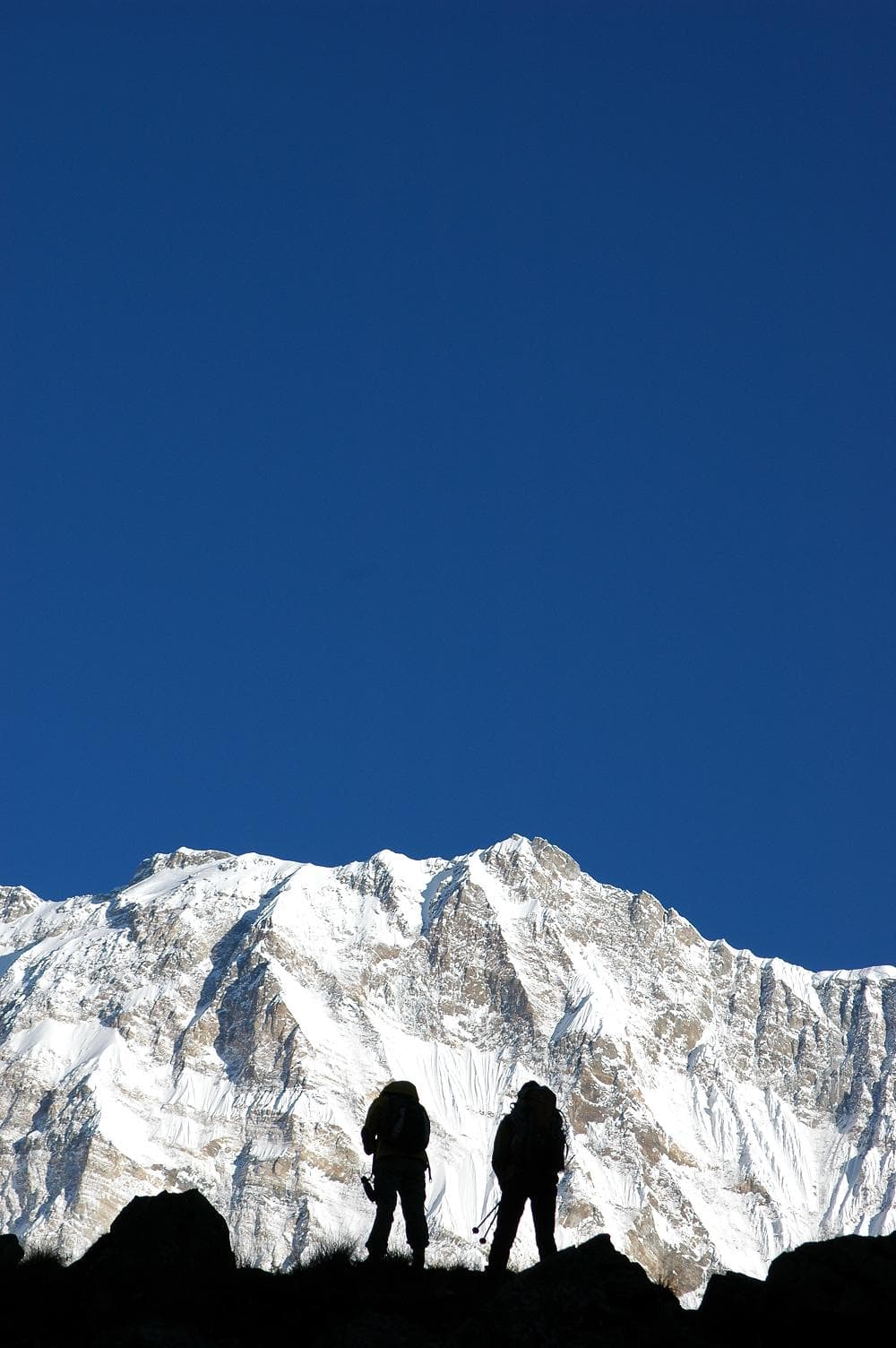
Annapurna Base Camp
Base Camp (ABC) is a renowned trekking destination in Nepal, situated at an altitude of 4,130 meters within the Annapurna Conservation Area. Surrounded by towering peaks, including Annapurna I (8,091m), the trek offers breathtaking views of the Himalayas, diverse landscapes, and rich biodiversity. The journey passes through picturesque villages, terraced fields, rhododendron forests, and natural hot springs, providing an immersive cultural and natural experience. Known for its moderate difficulty level, the ABC trek is ideal for adventure enthusiasts seeking a rewarding Himalayan experience.
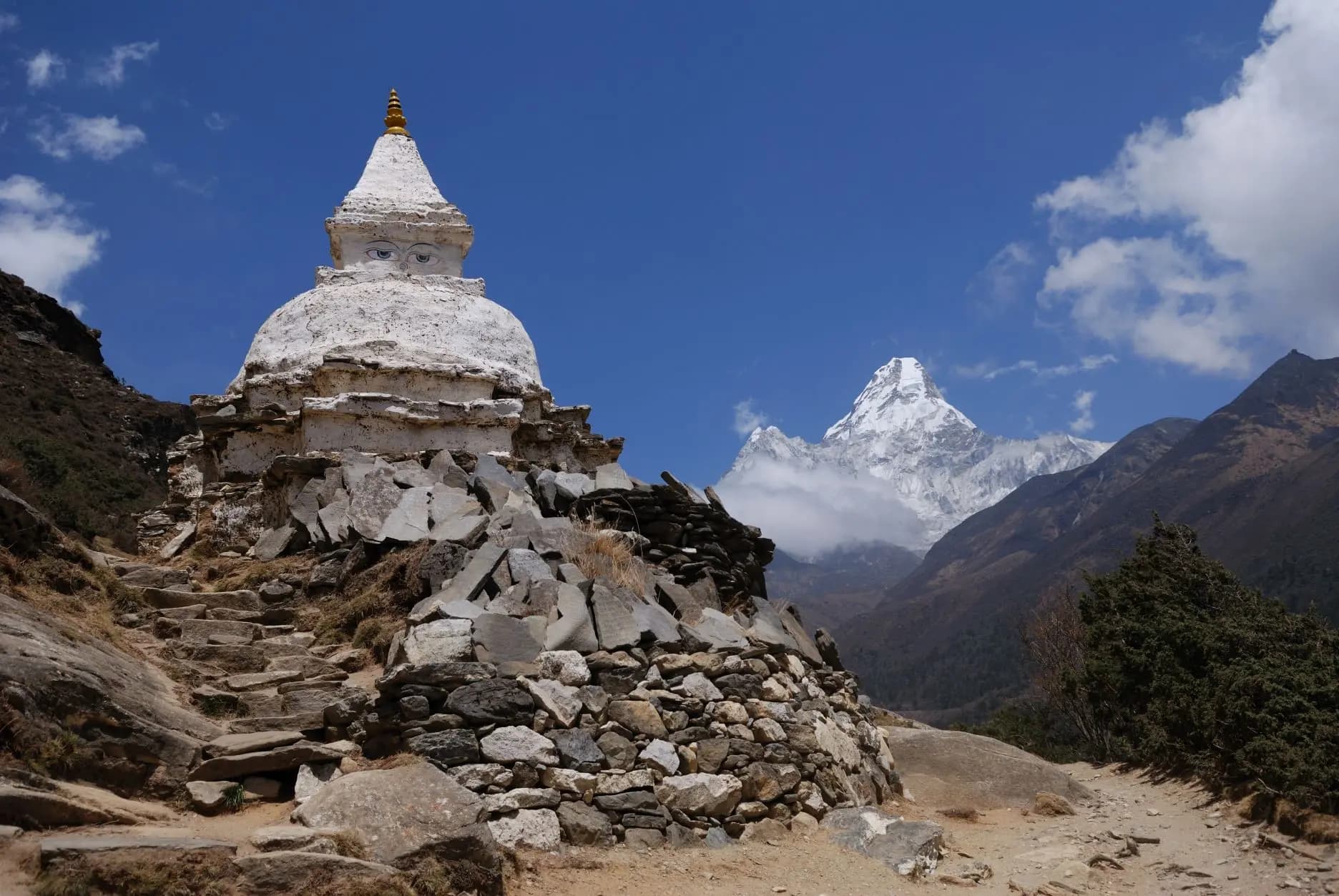
Everest Base Camp
The Everest Base Camp (EBC) Trek is one of the most iconic trekking adventures in the world, leading to the base of Mount Everest (8,848m). This challenging yet rewarding journey takes trekkers through the heart of the Khumbu region, offering breathtaking views of Everest, Lhotse, Nuptse, and Ama Dablam. The trek passes through Sherpa villages, monasteries, and diverse landscapes, providing a rich cultural and natural experience. Highlights include the vibrant town of Namche Bazaar, the historic Tengboche Monastery, and the Kala Patthar viewpoint (5,545m) for panoramic sunrise views over Everest.
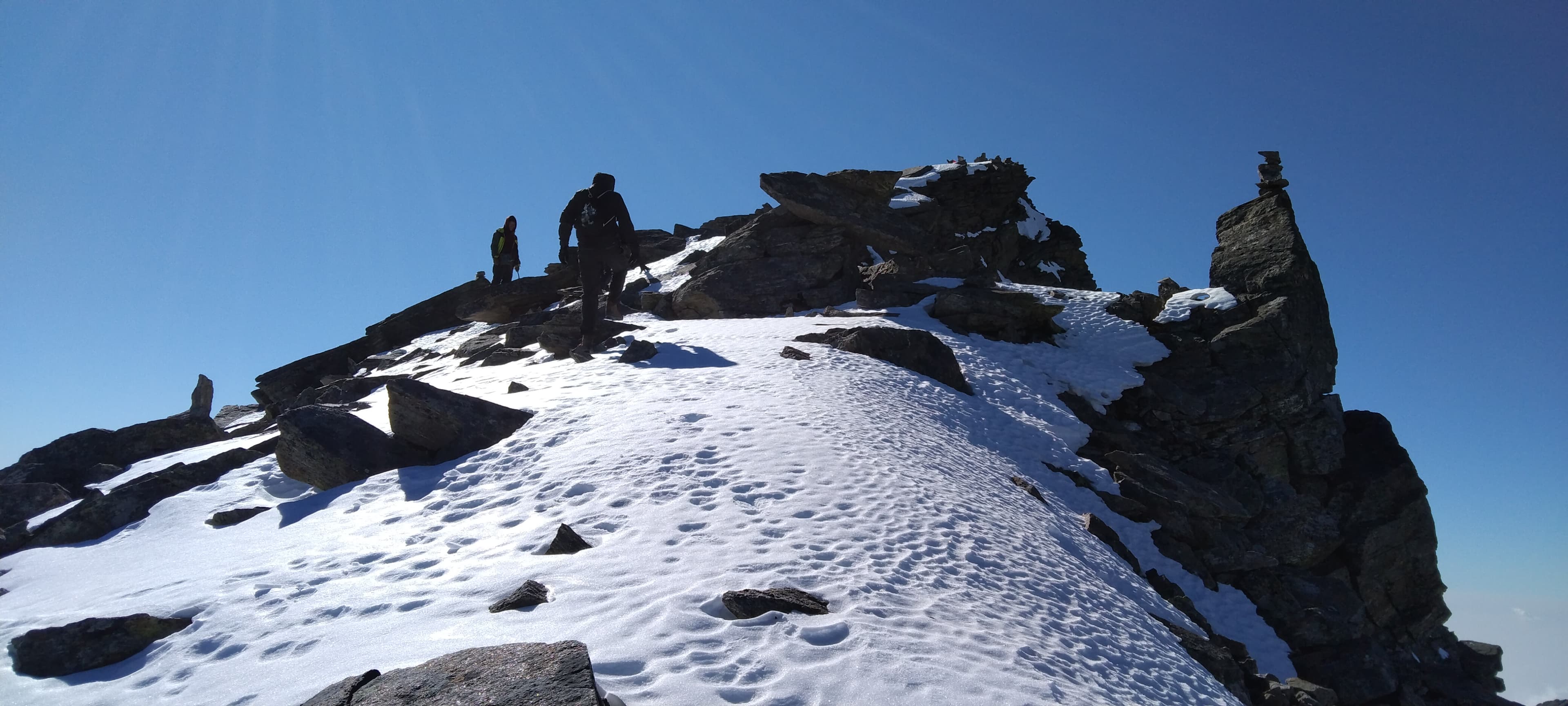
Langtang Surya Peak Trek
The Langtang Surya Peak Trek is a thrilling journey in the Langtang region, combining stunning Himalayan landscapes with rich cultural experiences. This trek leads to Surya Peak (5,145m), a breathtaking vantage point offering panoramic views of Langtang Lirung, Ganesh Himal, Dorje Lakpa, and even parts of Tibet. The trail passes through Langtang National Park, home to diverse flora and fauna, traditional Tamang villages, and ancient monasteries. Ideal for adventure seekers, this trek provides a perfect blend of natural beauty, cultural immersion, and high-altitude trekking challenges.