
Tibet & Everest Experience
Trekking & Adventure
Moderate Adventure
11 Days
Everest Base Camp
Lhasa
Kathmandu
14 persons
5150m
Total Price
Package Highlights
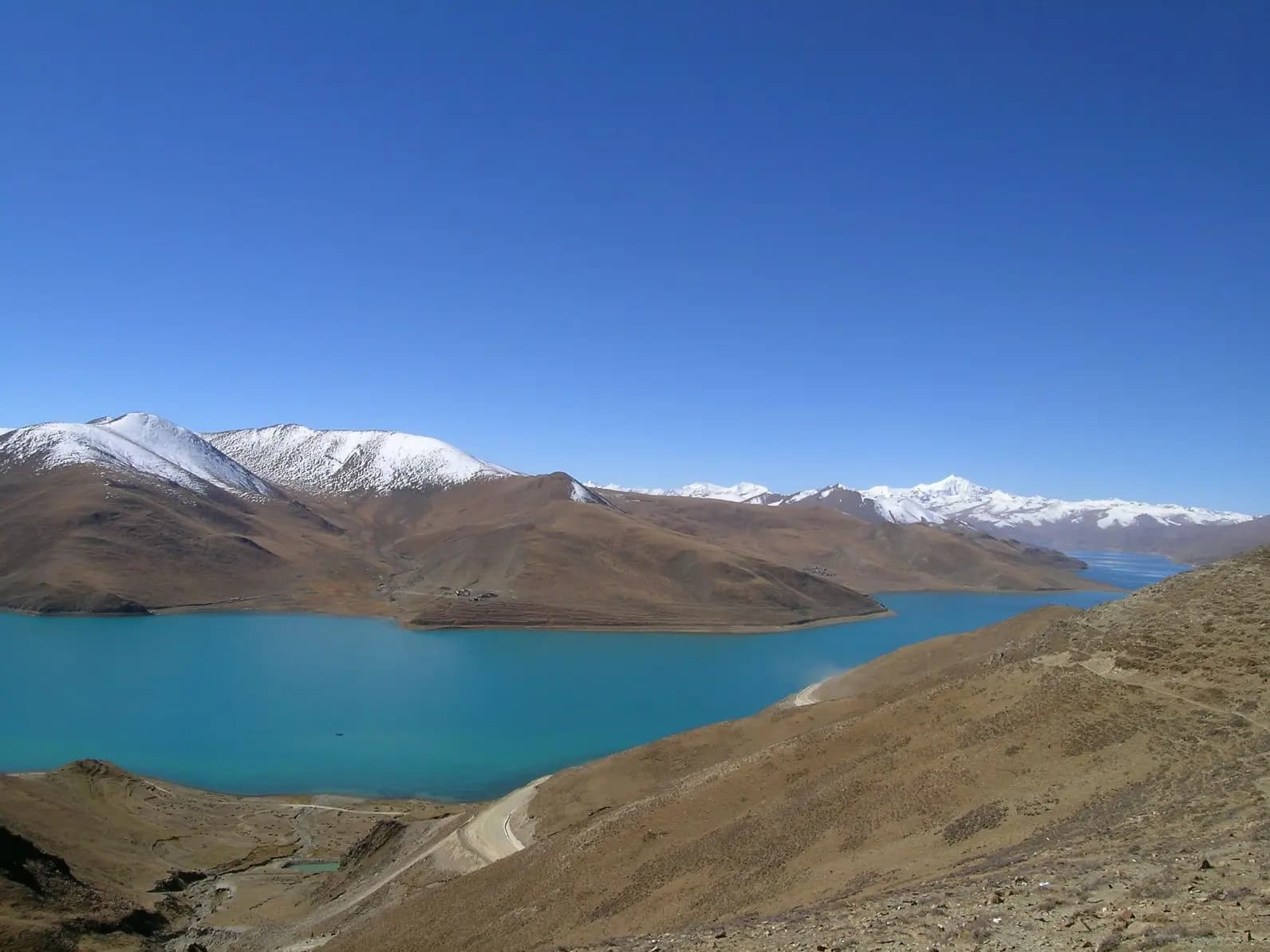
- 1.Yamdrok Lake & High Plateau Landscapes:
Discover the stunning turquoise lake and the vast, scenic beauty of the Tibetan Plateau.
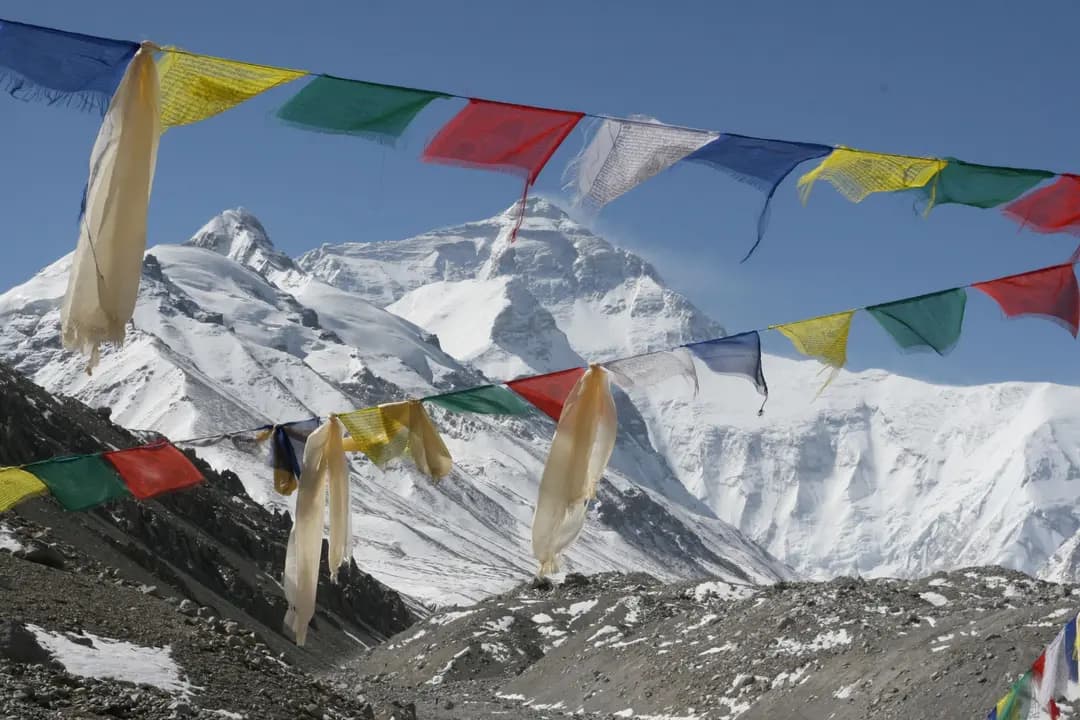
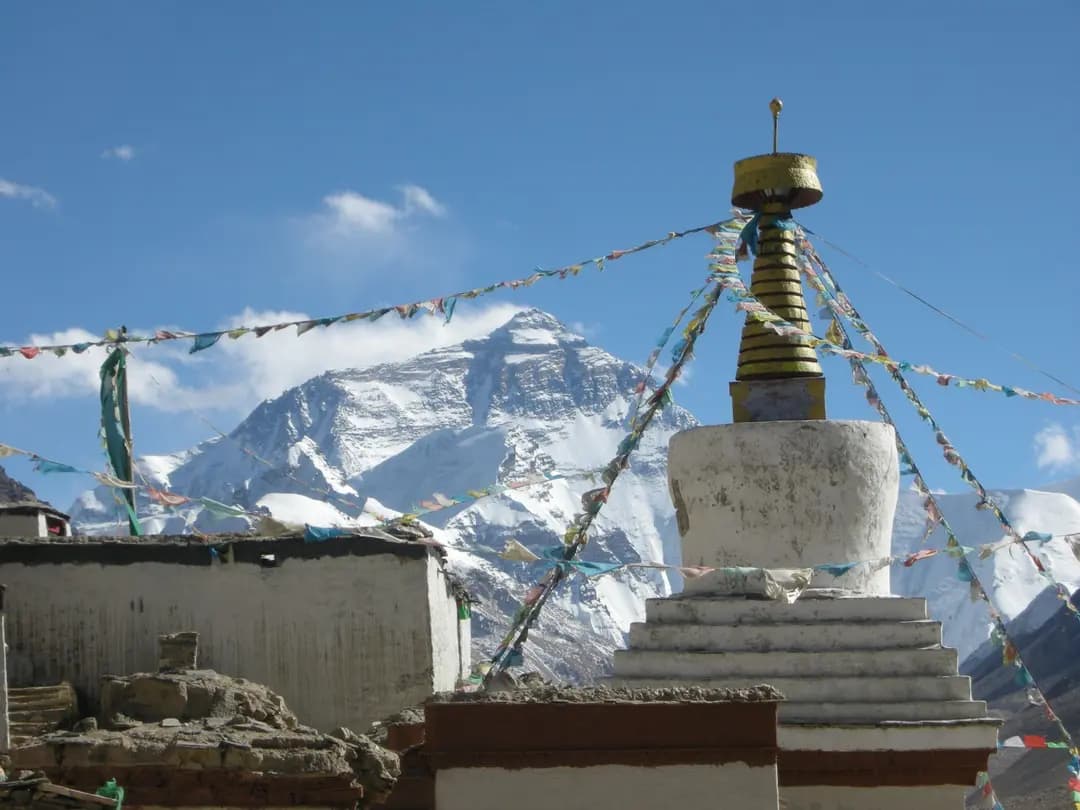
- 2.Breathtaking Himalayan Views:
Witness panoramic vistas of Everest, Cho Oyu, and other towering peaks.
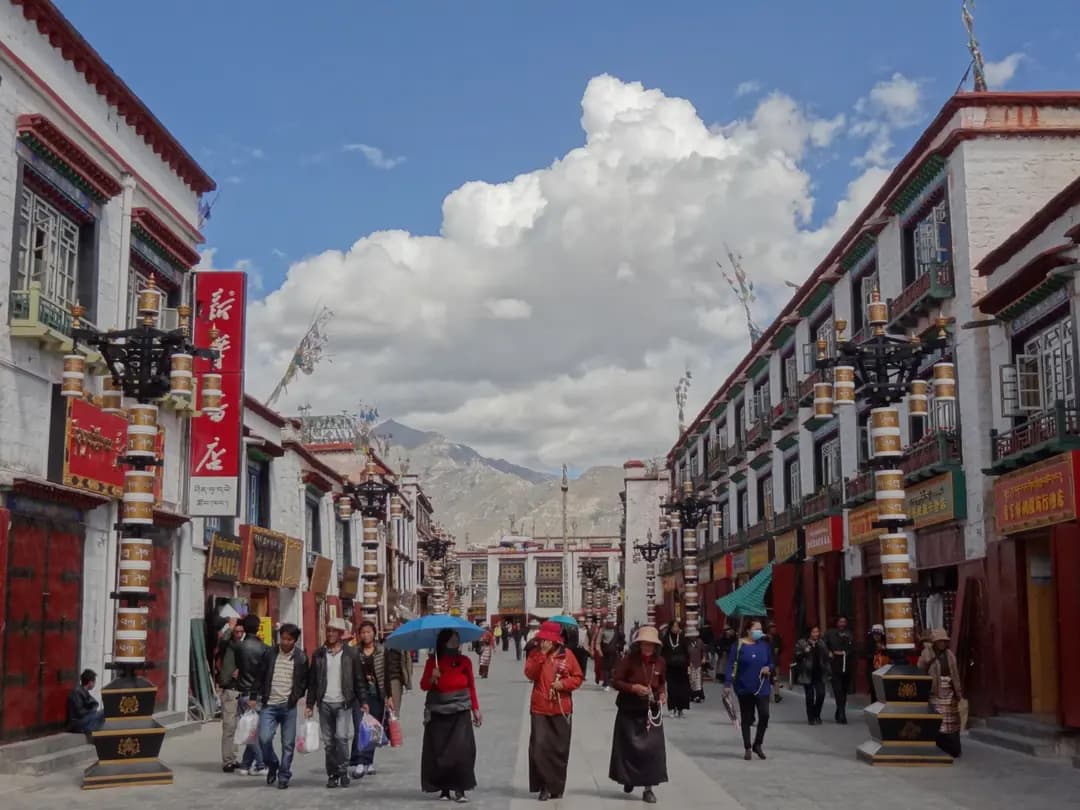
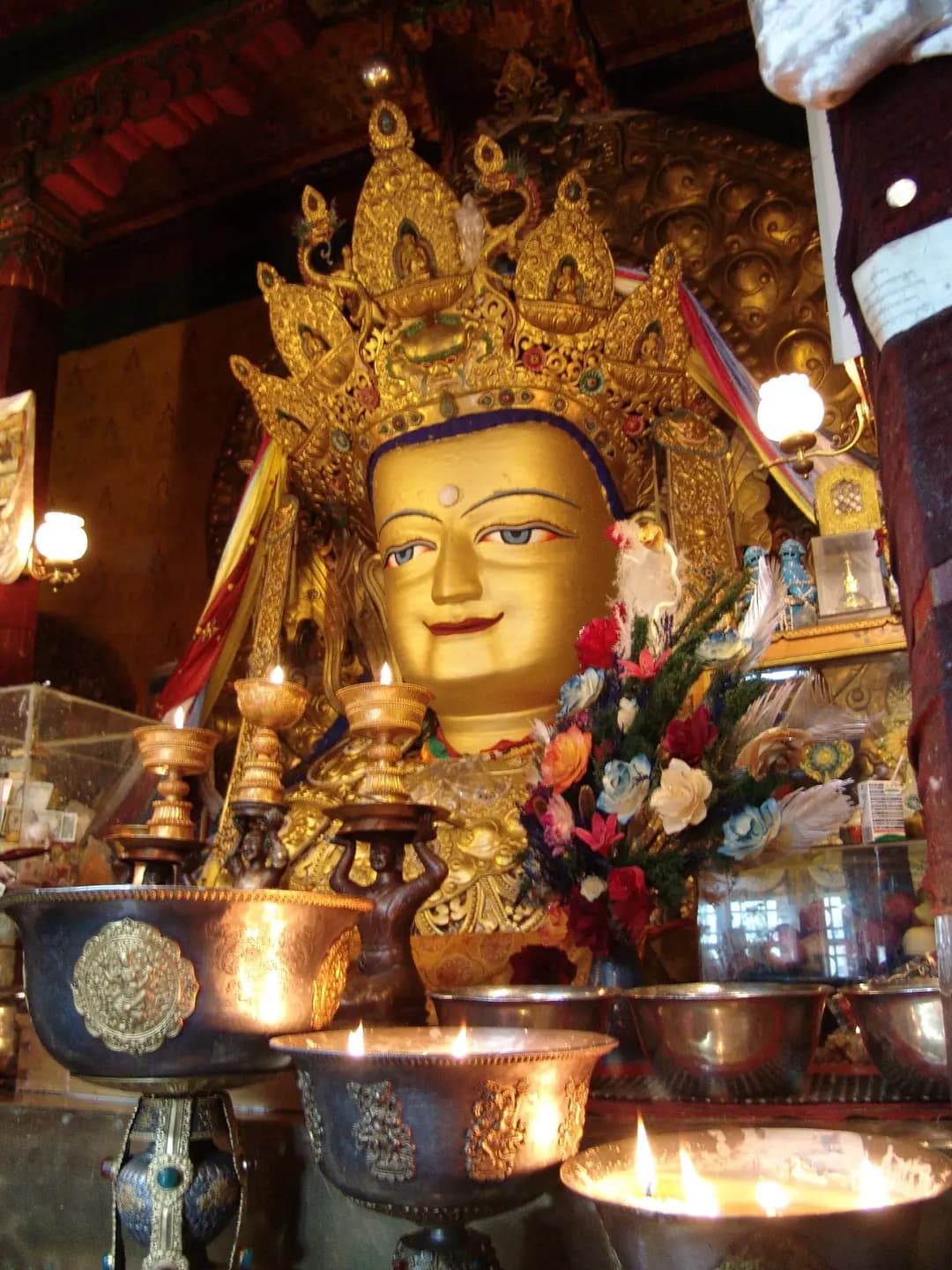
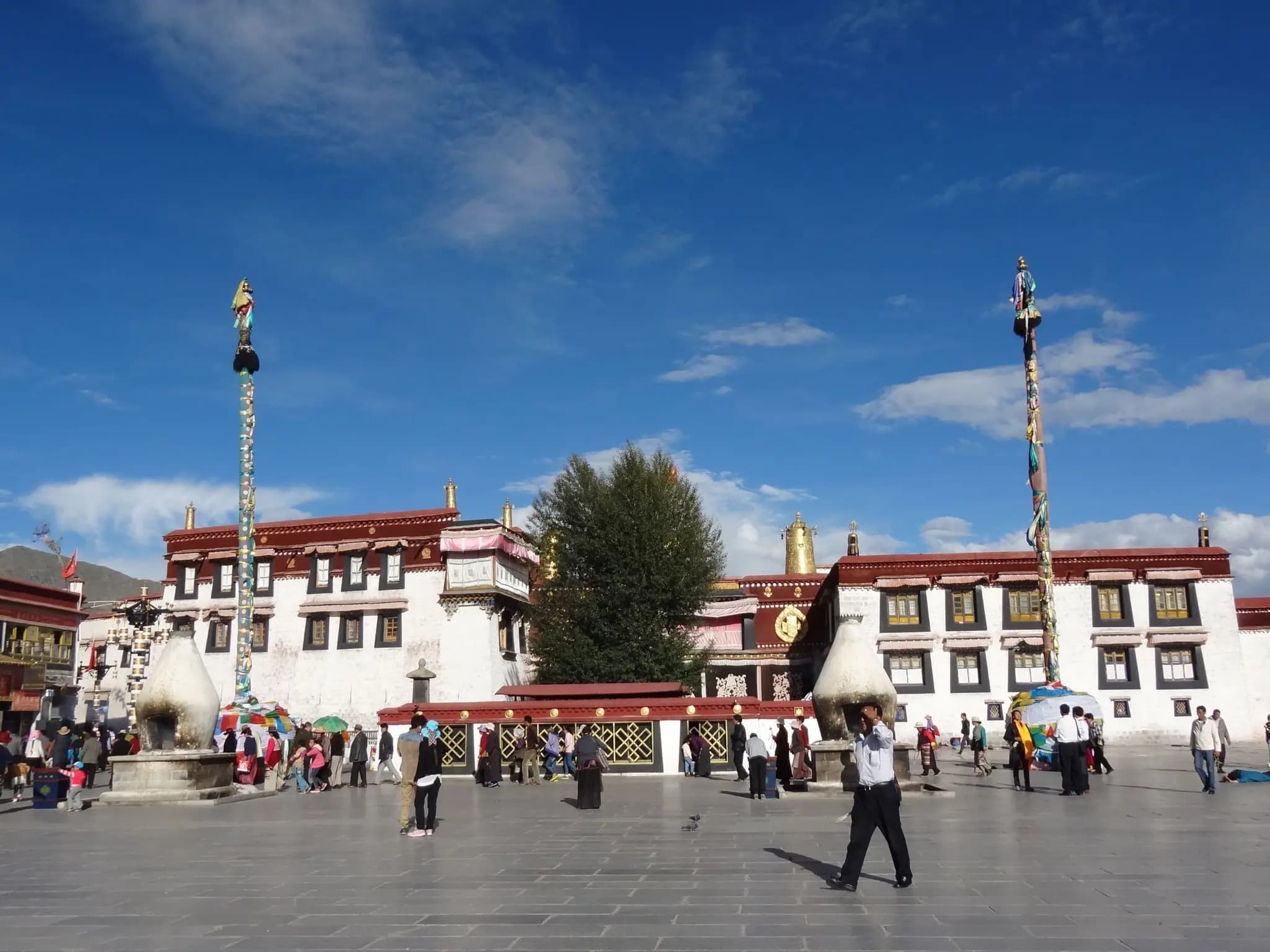
- 3.Jokhang Temple & Barkhor Street:
Experience Tibetan Buddhism’s holiest site and the bustling traditional marketplace.
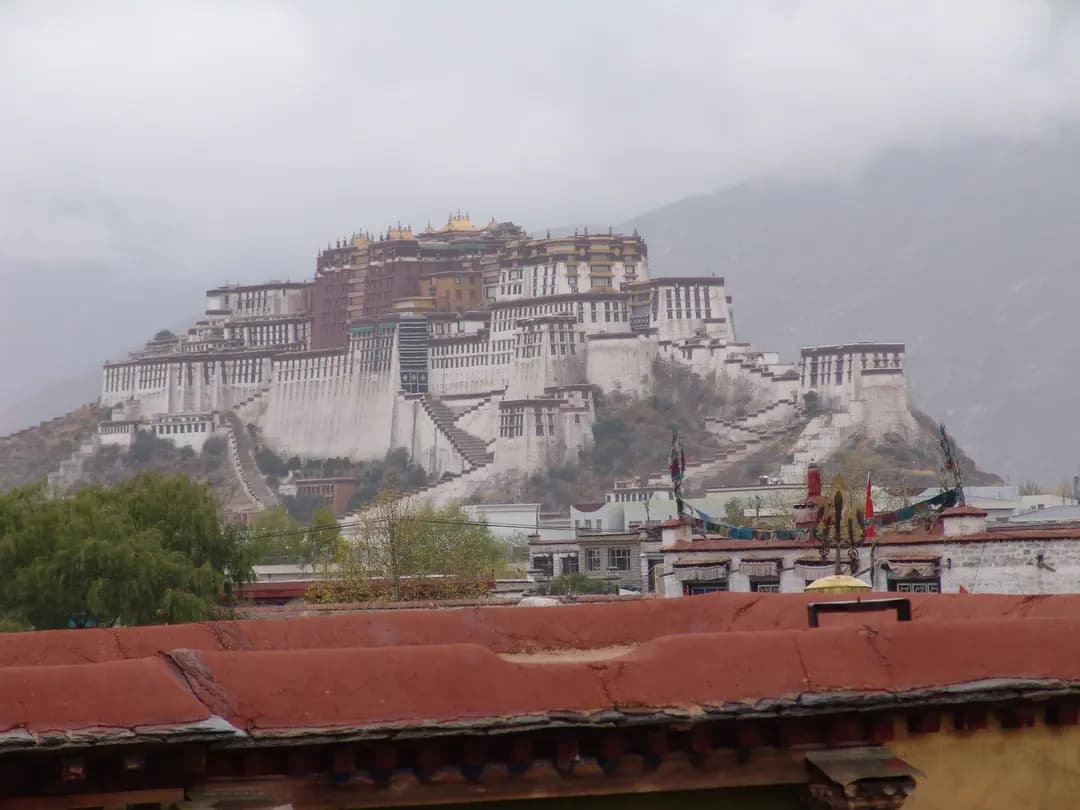
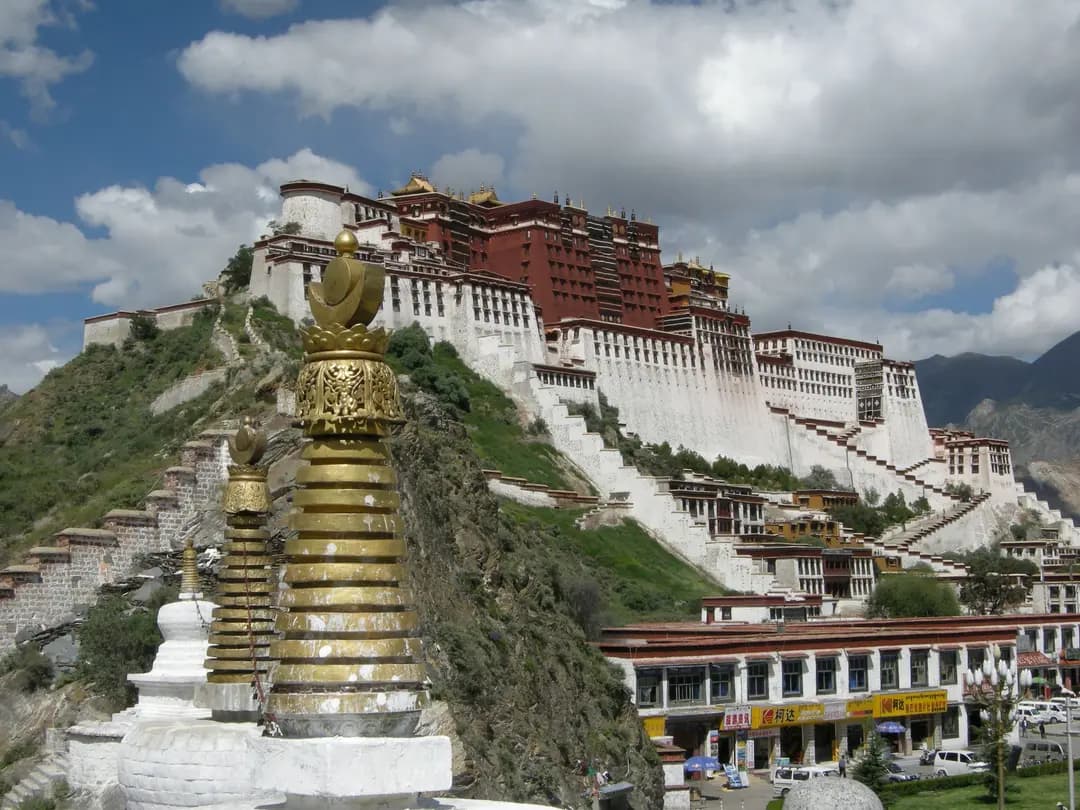
- 4.Lhasa & Potala Palace:
Explore the iconic former residence of the Dalai Lama and the spiritual heart of Tibet.
The Tibet Overland Tour is an adventurous journey that takes travelers across the breathtaking landscapes of the Tibetan Plateau. This tour offers a unique blend of stunning Himalayan views, ancient monasteries, and rich Tibetan culture. Traveling from Nepal to Tibet, visitors explore iconic sites like Lhasa, Potala Palace, Jokhang Temple, and Yamdrok Lake, while experiencing the spiritual essence and high-altitude beauty of the "Roof of the World." Perfect for culture enthusiasts and adventure seekers, this overland journey provides an unforgettable exploration of Tibet’s history, spirituality, and scenic wonders.
Trip Itinerary
Today is the group’s arrival day, with no activities planned aside from the group meeting. Your designated guide will receive all members at the airport or train station and help them check in at the hotel in Lhasa. After everyone has arrived, your guide will organize the first group meeting to brief participants on the trip, covering key information, important guidelines, and dos and don’ts.
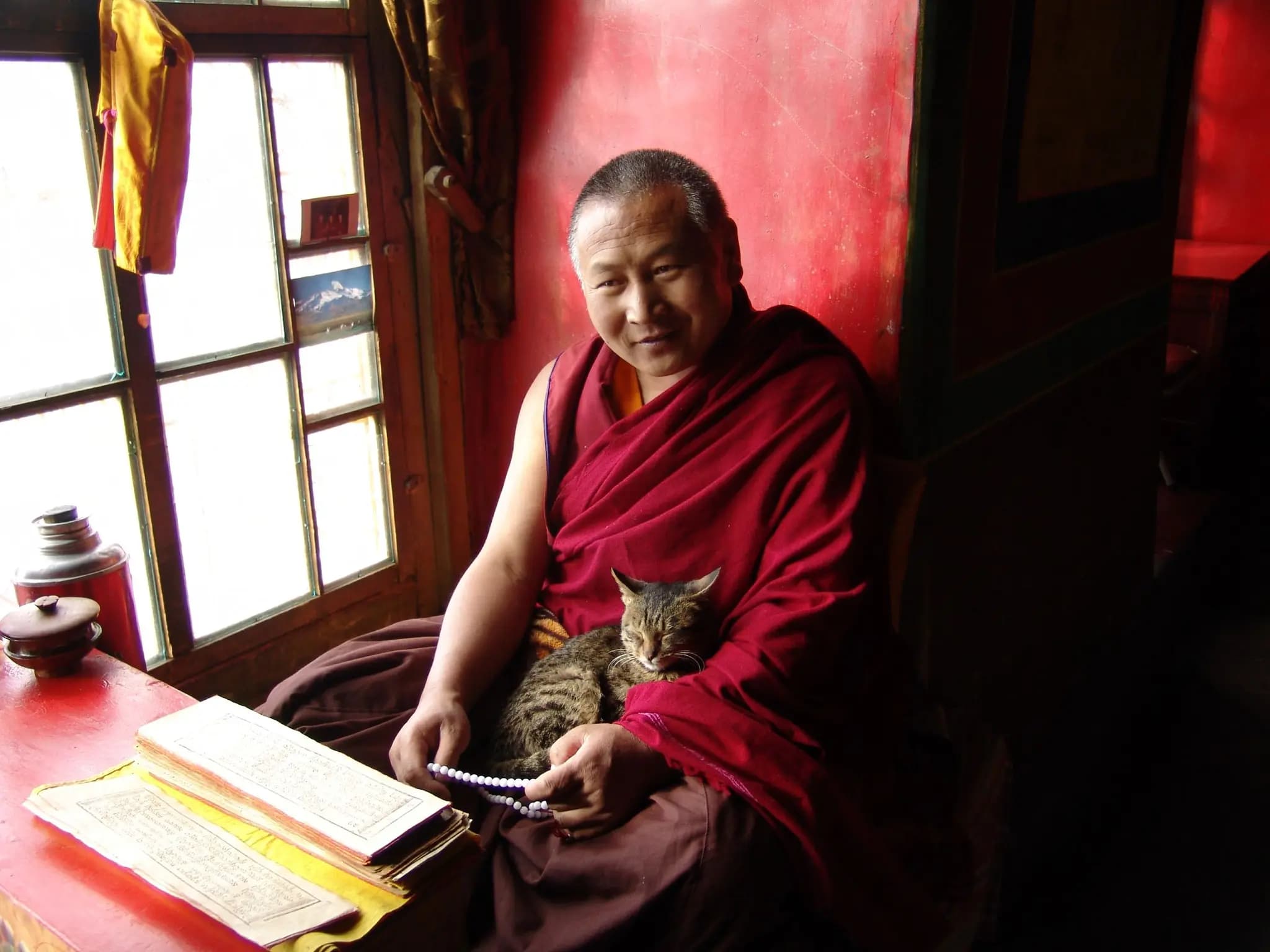
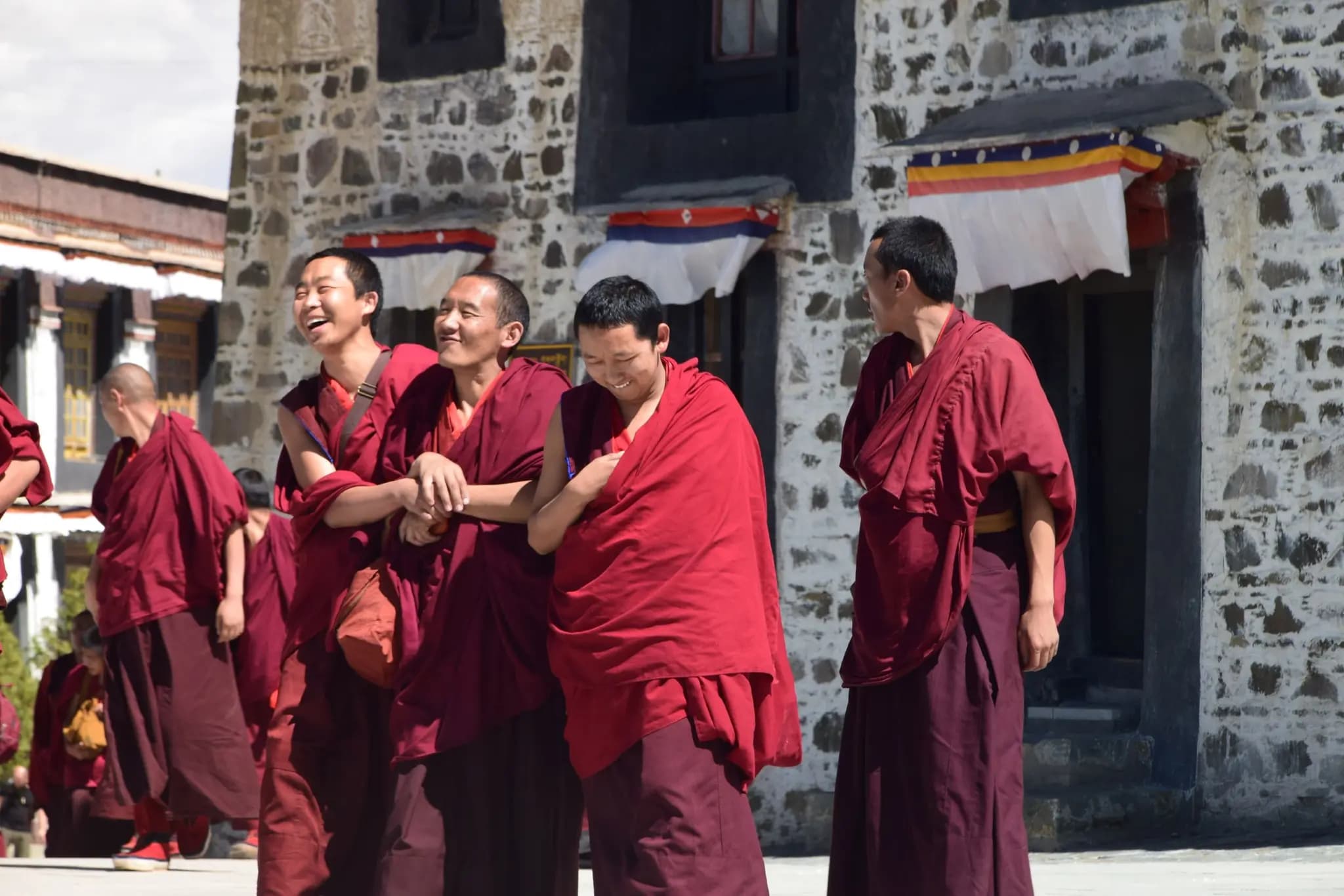
A full day exploring Lhasa’s most important sites. Sightseeing Drepung Monastery: Drepung, meaning “rice-heap,” derives from the Sanskrit term Dhanyakataka, named after a stupa in southern India, where the Buddha first taught the Kalachakra Tantra. The monastery is situated 8 km west of Lhasa and spans over 20,000 square meters. Its main structures include the Tshomchen, the four principal tratsangs, and the Ganden Potrang, each featuring residential quarters, Khangstens, and other functional buildings. The architectural layout is simple, typically comprising a courtyard, a large hall, and inner chapels, and the complex is dominated by the high ridge known as Gephel Utse. Drepung was founded in 1416 by Jamyang Choje, a prominent Yellow Hat lama born near Samye to a wealthy family, with additional financial support from his childhood friend. With contributions from affluent families and feudal lords, he set out to establish a grand monastery. Within a year of its founding, Drepung housed 2,000 monks, and by the era of the Fifth Dalai Lama (1617–1682), the monastery’s population had grown to an impressive 10,000 monks. Pilgrims visiting the monastery typically follow a clockwise route from the parking area at the main entrance, passing through the Ganden Potrang, Tshomchen, Ngagpa Tratsang, Jamyang Lhakhang, Loseling Tratsang, Gomang Tratsang, and Deyang Tratsang Sightseeing of Nechung Monastery: Nechung Monastery, known as the seat of the State Oracle of Tibet, is also called Sungi Gyelpoi Tsenkar, or the “Demon Fortress of the Oracle King.” Located approximately a 10-minute walk downhill from Drepung Monastery, it was the residence of Pehar, the three-headed, six-armed chief protector of the Gelug (Yellow Hat) sect and served as the home of the State or Nechung Oracle. This medium-sized monastery traditionally accommodated around a hundred monks. Sightseeing of Norbulingka: Norbulingka, the Dalai Lamas’ summer palace or “Treasure Garden,” is a serene and beautiful estate known for its stunning high-altitude gardens and popular as a summer picnic spot. Sightseeing of Sera Monastery: Sera Monastery is one of the six major Gelugpa monasteries, alongside Drepung, Ganden, Tashilhunpo, Labrang, and Kumbum. Situated at the base of Phurpa Chok Ri in the Tatipu Range, marking the northern boundary of Lhasa, it was founded in 1419 by Sakya Yeshe (1355–1435), a principal disciple of Tsong Khapa. Today, Sera is a sprawling monastic complex covering nearly 12 hectares. It comprises the Tsokchen (Great Hall), three tratsangs, and 30 Khangstens. Khangstens are residential compounds with chapels for monks from various regions, while tratsangs are colleges offering specialized studies under the guidance of an abbot (Khenpo). Once home to over 5,000 monks and novices, Sera was a key center of religious activity. Remarkably, its main structures were largely spared during the Cultural Revolution, making it one of the best-preserved monasteries in Tibet. Pilgrims typically follow a clockwise route through the monastery, visiting the main chapels in this order: Sera Me, Ngagpa Tratsang, Sera Je, Hamdong Khangsten, Tsokchen, and Tsong Khapa’s heritage.
Walking Tour of Potala Palace: Dominating the skyline of Lhasa, the Potala Palace stands as an iconic symbol of Tibet. Only the foundations remain from the original structure built by Songtsen Gampo. As you ascend its impressive stairways, you will encounter the audience halls and private living quarters of the Dalai Lamas, along with remarkable relics, stupas, three- dimensional mandalas, and numerous statues. When Lhasa was reinstated as Tibet’s capital in the 17th century, the Great 5th Dalai Lama commissioned the construction of the White Palace (1645–1653), enlisting 7,000 workers and 1,500 artisans to complete this monumental project. Walking Tour of Jokhang Temple: The Jokhang Temple, over 1,300 years old with its striking golden roof, sits at the heart of Barkhor Market. Considered one of the most sacred and active Tibetan temples, it was founded by Bhrikuti, the Nepalese queen of King Songtsen Gampo, on a site chosen by his other wife, Wenchang, a Tang dynasty Chinese princess, for its principal geomantic significance in Tibet. Walking Tour of Barkhor Market: Tibet has long been a land of wonders. After absorbing the grandeur of the Potala Palace, a stroll through Barkhor Street Market immerses you in a world brimming with culture and curiosity. Encircling Jokhang Temple in Lhasa’s old town, Barkhor Street features a unique circular layout and public square, reflecting authentic city life and distinctive architectural style. It serves not only as a sacred path for pilgrims performing the kora but also as a vibrant hub for Tibetan cuisine and handicrafts. Each day, traders and vendors set up stalls offering intricate handmade items, while numerous shops showcase traditional Tibetan goods. Over time, Barkhor Street has earned its reputation as the liveliest bazaar in Lhasa and one of the most dynamic markets in Tibet.
Today is a free day in Lhasa. However, given potential changes in local regulations, please confirm with your guide regarding the options for independent exploration. If you wish to visit other sites or attractions, your guide can provide recommendations and assist with arrangements.
Today’s journey covers 254 km from Lhasa, offering spectacular scenery as you cross the Khamba La and Karo La passes and follow the shores of the stunning Yamdrok Tso Lake. Gyantse (3,950 m) was once a key trading town linking Sikkim, Bhutan, and Tibet, and it still exudes the charm of old Tibet. Strolling through its narrow backstreets feels like stepping back into medieval times, or you can climb to the impressive hilltop fortress (dzong), where in 1904 local forces resisted the far superior British army for nearly six months.
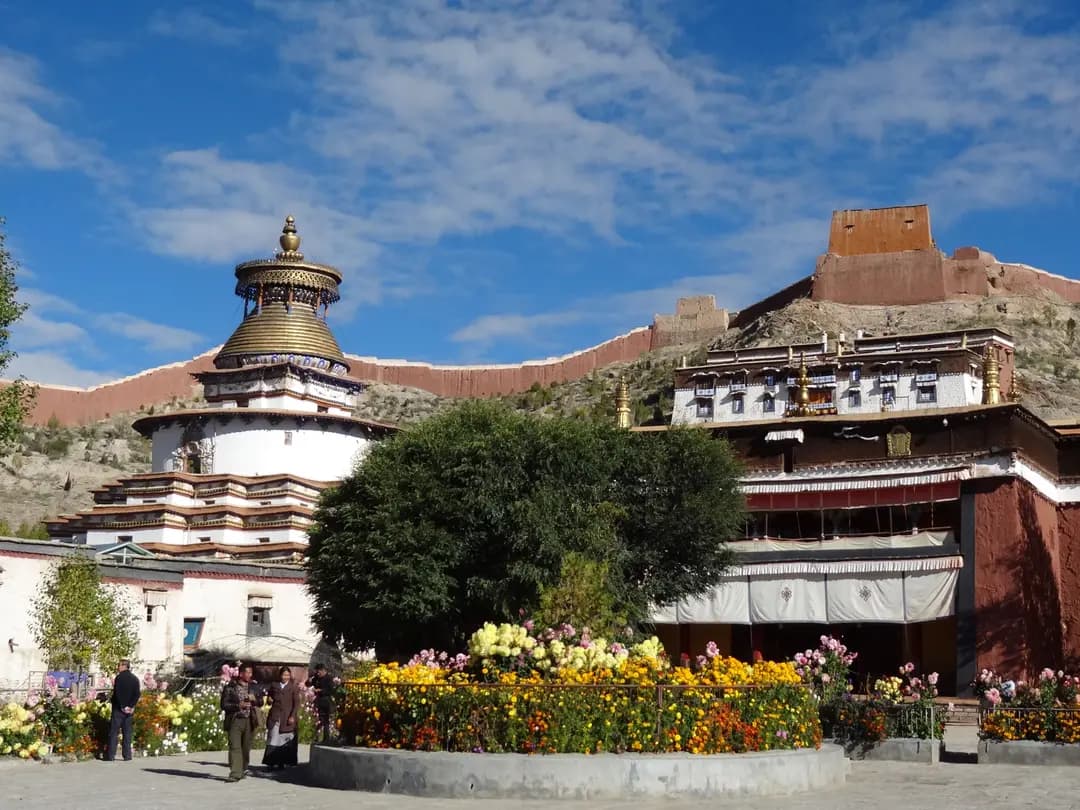
In the morning, visit Pelkhor Choede Monastery. Its main temple, the Tsuklakhang, was constructed between 1418 and 1425 by the prince of Gyantse. Once an eclectic academy comprising 16 dralsang (colleges) affiliated with the Sakya, Butonpa, Geluk, and Kagyu traditions, all the dralsang buildings have since been destroyed. However, the main assembly hall remains, housing remarkable 15th-century statues and murals. The upper chamber is adorned with stunning mandalas in the Sakya tradition. Afterwards, drive to Shigatse, located at the confluence of the Nyangchu and Brahmaputra Rivers. As Tibet’s second-largest city, Shigatse is home to the impressive Tashilhunpo Monastery, founded in 1447 by a nephew and disciple of Tsongkhapa, who was posthumously recognized as the first Dalai Lama.
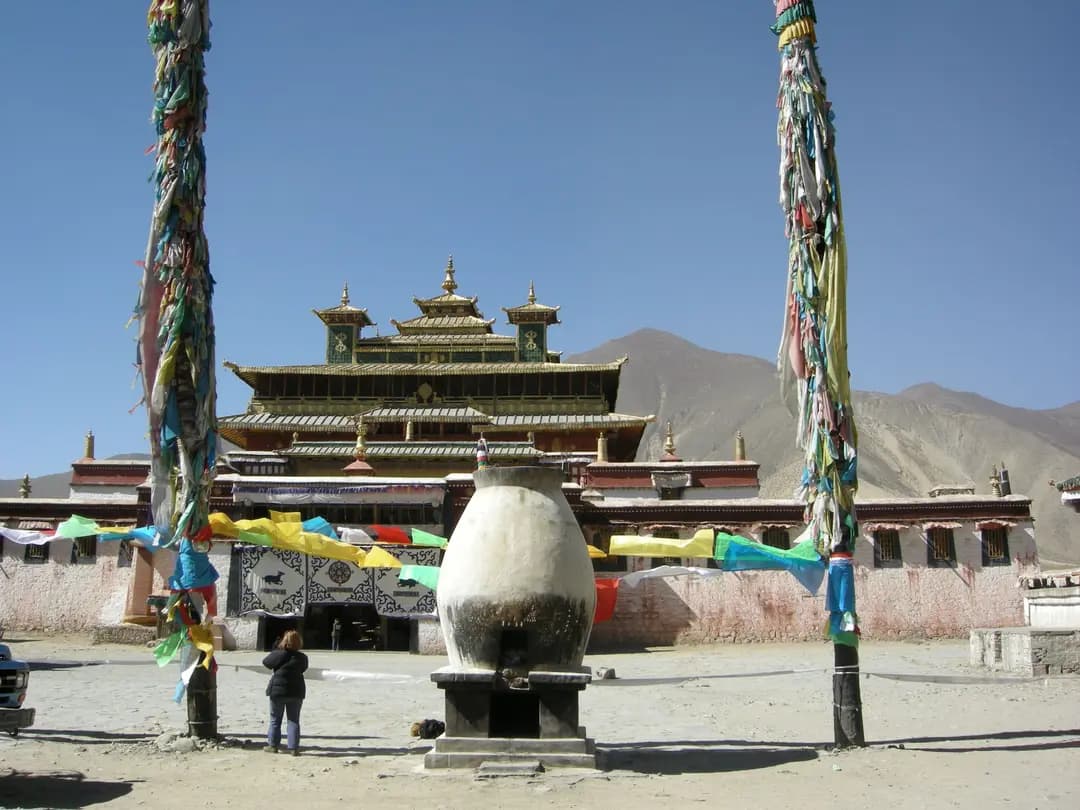
Continue your journey toward Shegar, passing through Sakya town. As the principal seat of the Sakya School, Sakya played a central role in Tibet’s political and religious history during the 13th and 14th centuries. Both the town and its Gompa feature distinctive architecture and colour schemes. The name “Sakya,” meaning “coloured earth,” is derived from a pale patch on the hillside opposite the main temple complex.
After departing Shegar, you will leave the Friendship Highway for a scenic drive through Qomolongma National Park, arriving in the Rombuk Valley by the afternoon for your first view of Mt. Everest—known locally as Qomolongma, meaning “Queen of the Mountains.” The best vantage point is from the small Tibetan monastery, Rombuk Monastery (5,100 m), where you will stay overnight at a nearby hotel.
This morning, you will wake up to the breathtaking sight of Mt. Everest—an experience like no other. Standing face-to- face with the North Face of Everest (8,848.86 m), or Qomolongma as it is called in Tibetan, is truly unforgettable. Later, you will continue your drive toward Lower Kyirong, covering 257 km in approximately 6–7 hours. The journey takes you past the stunning Paiko Tso Lake on the Tibetan Plateau and along high-altitude mountain passes, offering magnificent views of Mt. Shishapangma and Cho Oyu.
Today, you will continue your drive toward the Nepal-Tibet border. Kyirong (Gyirong) Port, with Rasuwa Port on the Nepal side, is situated about 160 km from Kathmandu and approximately 820 km from Lhasa. At the border, you will cross the bridge connecting Nepal and Tibet. Your local guide will meet you to assist with the necessary immigration procedures on Nepal side. After completing the formalities, you will continue your journey to Kathmandu via the Prithivi Highway, driving through lush forests along the Trisuli River on winding roads toward the Kathmandu Valley. Kathmandu is a historically rich and diverse city, renowned for its stunning architecture, intricate wood carvings, and exquisite metalwork that reflect the craftsmanship of Newar artisans from centuries past.
Your memorable journey comes to an end today. After breakfast, you will check out of the hotel to continue your onward travel, depending on the services you have booked. It is recommended to arrive at the airport at least 2.5 hours before your flight, as queues can be long and slow. Your pre-arranged airport transfer will pick you up from the hotel in time, with an estimated 30-minute drive to the airport, depending on traffic. At the airport, security will verify your flight ticket either printed or on your mobile along with your passport before granting access to the departure hall.
Activities
Departure. End of service.
Trip Particulars
Included
Private transport as per group size to and from the trekking region
Tibet Airport arrival/ Train station transfer
All land transfers as per itinerary by private vehicles as per group size.
An English-speaking Tibetan Guide throughout the trip.
Accommodation in Hotel on Twin sharing with Bed and Breakfast basis.
All Tibet Permit and permissions.
Permit delivery in your hotel in Mainland China - Beijing, Chengdu, Xining (or other cities).
Excluded
Travel and medical insurance including evacuation and cancellation (including helicopter evacuation)
Expenses of personal nature such as bar bills, mineral water, laundries, telephone calls, internet facility, Electronic Device Charge, Hot Water shower
Tips and gratuities
Any item not specified as included
Good to know
The Tibet Overland Tour is an adventurous journey that takes travelers across the breathtaking landscapes of the Tibetan Plateau. This tour offers a unique blend of stunning Himalayan views, ancient monasteries, and rich Tibetan culture. Traveling from Nepal to Tibet, visitors explore iconic sites like Lhasa, Potala Palace, Jokhang Temple, and Yamdrok Lake, while experiencing the spiritual essence and high-altitude beauty of the "Roof of the World." Perfect for culture enthusiasts and adventure seekers, this overland journey provides an unforgettable exploration of Tibet’s history, spirituality, and scenic wonders.
Booking Terms & Policies
Cancellation Policy
Cancellation policies vary depending on the service provider.
It is advisable to review the terms and conditions before booking.
Refunds and charges may apply based on the cancellation timeframe.
Settlement & Payment
Payments can be made through various methods, including bank transfers, credit/debit cards, and online payment gateways.
Advance payment may be required to confirm bookings.
Standard Terms & Conditions
Comprehensive travel insurance covering medical emergencies, trip cancellations, lost baggage, and unforeseen events is highly recommended for a hassle-free journey.
Travelers should check entry regulations and obtain the necessary visa in advance.
Related Packages
Annapurna Base Camp
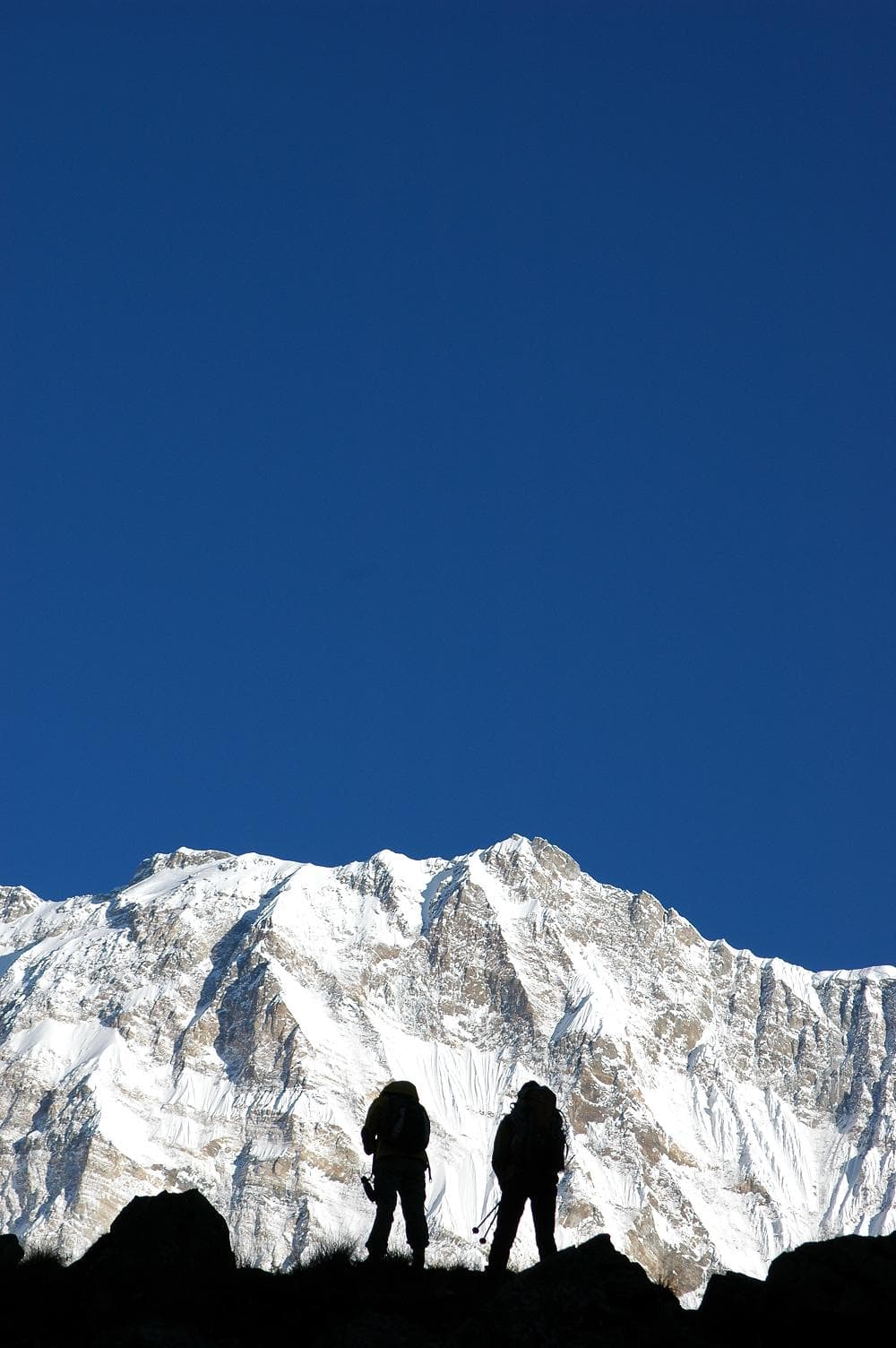
Base Camp (ABC) is a renowned trekking destination in Nepal, situated at an altitude of 4,130 meters within the Annapurna Conservation Area. Surrounded by towering peaks, including Annapurna I (8,091m), the trek offers breathtaking views of the Himalayas, diverse landscapes, and rich biodiversity. The journey passes through picturesque villages, terraced fields, rhododendron forests, and natural hot springs, providing an immersive cultural and natural experience. Known for its moderate difficulty level, the ABC trek is ideal for adventure enthusiasts seeking a rewarding Himalayan experience.
Everest Base Camp
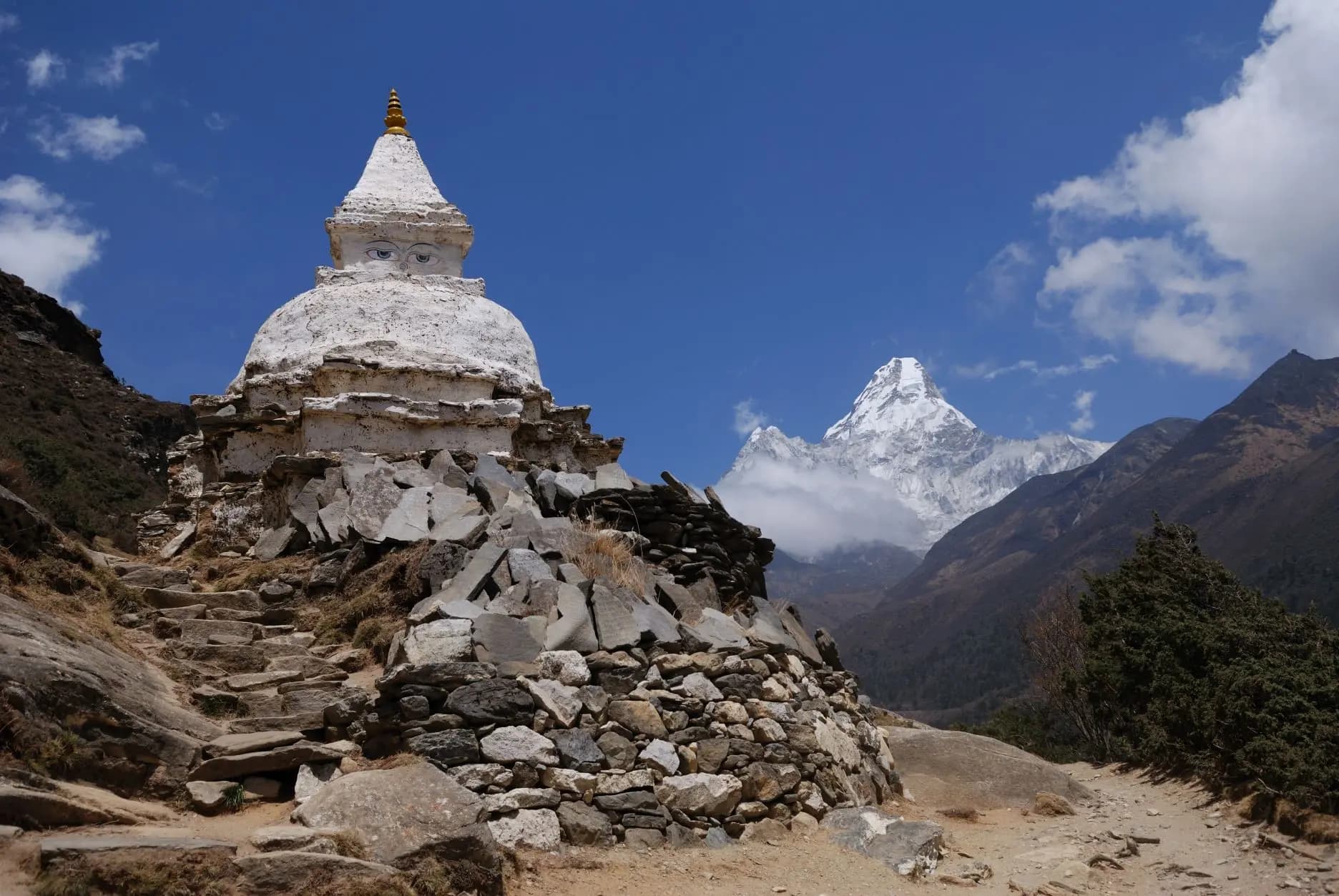
The Everest Base Camp (EBC) Trek is one of the most iconic trekking adventures in the world, leading to the base of Mount Everest (8,848m). This challenging yet rewarding journey takes trekkers through the heart of the Khumbu region, offering breathtaking views of Everest, Lhotse, Nuptse, and Ama Dablam. The trek passes through Sherpa villages, monasteries, and diverse landscapes, providing a rich cultural and natural experience. Highlights include the vibrant town of Namche Bazaar, the historic Tengboche Monastery, and the Kala Patthar viewpoint (5,545m) for panoramic sunrise views over Everest.
Langtang Surya Peak Trek
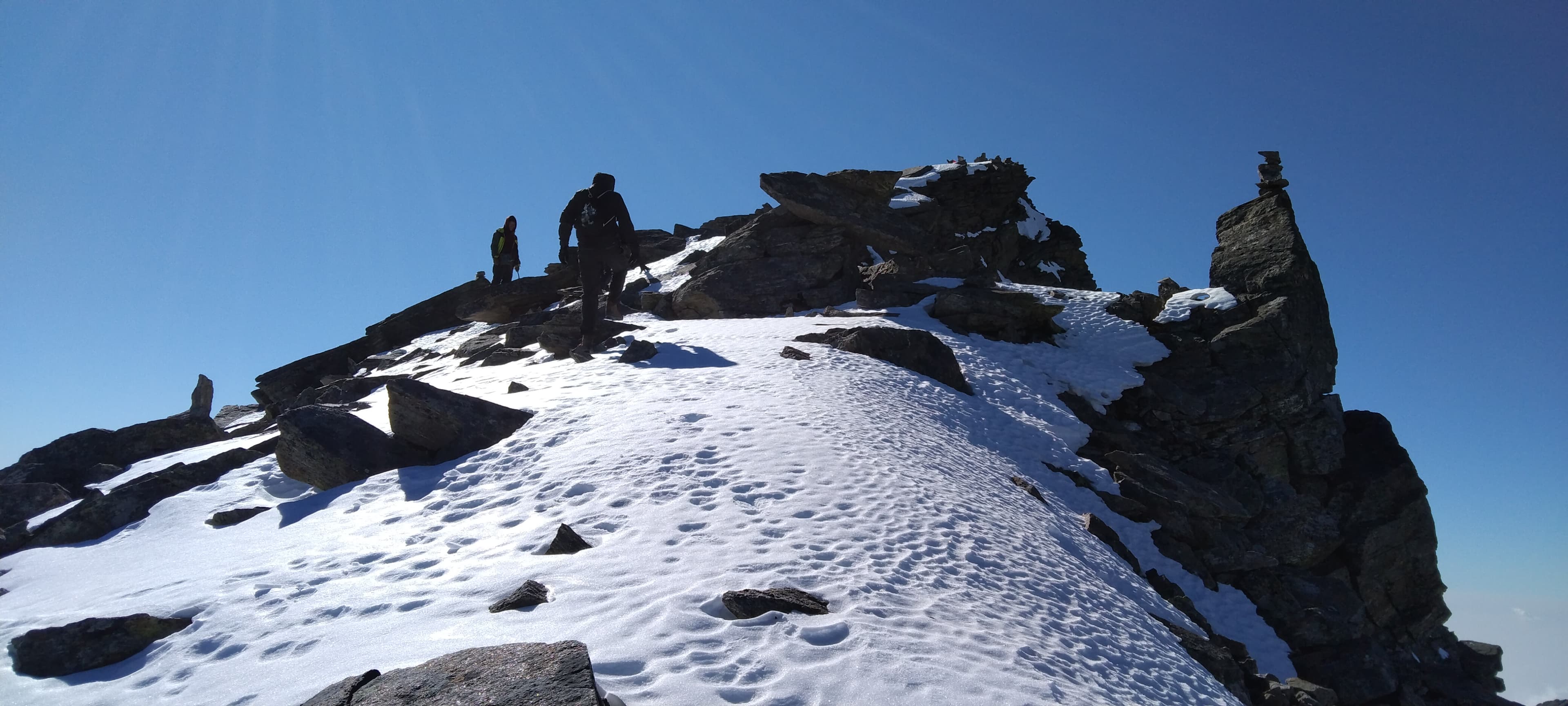
The Langtang Surya Peak Trek is a thrilling journey in the Langtang region, combining stunning Himalayan landscapes with rich cultural experiences. This trek leads to Surya Peak (5,145m), a breathtaking vantage point offering panoramic views of Langtang Lirung, Ganesh Himal, Dorje Lakpa, and even parts of Tibet. The trail passes through Langtang National Park, home to diverse flora and fauna, traditional Tamang villages, and ancient monasteries. Ideal for adventure seekers, this trek provides a perfect blend of natural beauty, cultural immersion, and high-altitude trekking challenges.